
Companion Plants
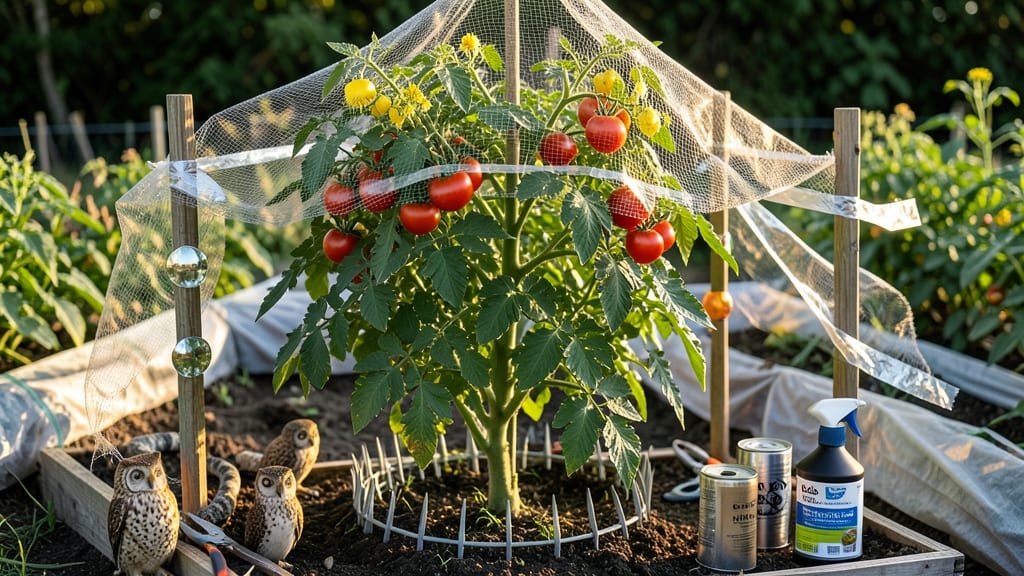
How to keep birds off of your tomato plants—before they turn your harvest into a buffet? 🌱 I’ve lost entire harvests to hungry sparrows and starlings—until I discovered this 10-minute homemade spray that works better than store-bought repellents and won’t harm your plants (or the birds). The secret’s in the scent: birds hate the smell of hot peppers and garlic, but it’s harmless to humans and pets. You’ll need just 3 ingredients from your kitchen—no fancy equipment. Mix cayenne pepper, garlic cloves, and dish soap in a spray bottle, let it steep overnight, and boom: instant bird deterrent. Spray it every 3-4 days or after rain, and those feathered thieves will take their lunch elsewhere. The best part? It’s cheaper than netting and works even on small, delicate tomato leaves. By week two, you’ll see the difference—fewer pecked tomatoes, more plump, ripe fruit ready for picking. The spray even helps deter other pests like aphids, so it’s a two-for-one solution. Plus, your garden stays chemical-free and bird-friendly (just not too friendly). This method works for all tomato varieties, from cherry to beefsteak, and scales from a single plant to your entire garden. No more waking up to half-eaten tomatoes—just full, happy plants and a kitchen full of homegrown flavor. Let’s get spraying!
📚 In This Guide
- What you need
- Instructions
- Tips and common mistakes
- Wrapping up and next steps
What you need
- ● Spray bottle (16–32 oz, with a fine mist nozzle) – or a garden sprayer (1–2 gallons) for larger plants.
- ● Water (distilled or tap, filtered if possible).
- ● Cayenne pepper (1–2 tbsp, hotter varieties work best).
- ● Garlic powder (1–2 tsp, or fresh garlic cloves for a stronger scent).
- ● Dish soap (1 tsp, mild and biodegradable, like Dawn).
- ● Wooden spoon or whisk (for mixing).
- ○ Gloves (optional but recommended—cayenne can irritate skin!).
- ● Label or marker (to tag your spray bottle, e.g., “Bird Repellent”).
- ● Red pepper flakes (½ tsp, for extra spiciness).
- ● Eucalyptus or citrus oil (5–10 drops, birds hate the smell!).
- ● Aluminum foil strips (cut into 2–3 inch pieces, reflects light and startles birds).
- ● Bird netting (lightweight, for physical barriers if sprays aren’t enough).
- ● Predator decoys (fake owls or hawks, place near plants).
Step-by-Step instructions for creating a bird-repelling tomato spray
Here's the quick, chemical-free method I rely on every season—tested against hungry sparrows and starlings.
🌱 Step 1: Gather Your Natural Repellent Ingredients
Birds hate strong scents and textures that disrupt their ability to perch or identify food. I use hot pepper sauce (the cayenne kind), garlic, and dish soap—all non-toxic but intensely unpleasant to birds. Mix 1 tablespoon of hot pepper sauce, 2 cloves of minced garlic, and 1 teaspoon of mild dish soap in a bowl. The soap helps the solution cling to leaves.
For larger gardens, scale up proportionally—2 tablespoons pepper sauce, 4 cloves garlic, and 2 teaspoons soap cover about 10 tomato plants. Avoid using castile soap; it's too mild and won't stick. The garlic adds a secondary repellent effect that lingers longer than pepper alone.
💧 Step 2: Blend and Strain for a Smooth Spray
Add 1 quart of warm water to your mixture and blend until fully incorporated. The goal is a thick, slightly oily consistency—this ensures it coats leaves thoroughly. I use an immersion blender for small batches, but a regular blender works too. Strain through a fine-mesh sieve to remove garlic skins and any undissolved pepper flakes.
Here's the thing—birds can detect even faint residues, so don't dilute further. The solution should look cloudy with a slight sheen from the soap. If it's too thin, add 1 teaspoon more dish soap and blend again. Test a small spray on a single leaf first; if it beads up, it's ready.
☀️ Step 3: Apply at Dawn or Dusk for Maximum Effect
Transfer the mixture to a spray bottle with a fine mist nozzle. Apply generously to all leaf surfaces, focusing on the top sides where birds perch. I work in early morning or late evening when birds are least active and temperatures are cooler—this prevents rapid evaporation. Reapply every 3-4 days or after heavy rain, as the solution washes off.
Watch for visible residue on leaves after spraying; if you can't see a light film, you're not applying enough. Birds avoid surfaces that feel slippery or taste bitter, so coverage matters more than frequency. Avoid spraying when tomatoes are flowering or fruiting heavily—wait until late morning if you must apply during the day.
✂️ Step 4: Combine With Physical Deterrents
For stubborn birds, pair the spray with reflective objects like old CDs or aluminum pie pans hung from strings. The flickering light patterns confuse birds' depth perception, making them think the area is unsafe. Place these 10-15 feet away from plants so they don't interfere with spraying.
I also install row covers over young plants if birds are particularly aggressive. The spray works best as a deterrent, not a barrier—birds will still probe if they can't see or smell the plants clearly. Reapply the spray immediately after rain or if you notice birds ignoring the treated areas.
🌿 Step 5: Monitor and Rotate Repellents Seasonally
Birds adapt quickly, so rotate your repellent methods every 2-3 weeks. After 4 weeks, switch to a vinegar-water spray (1:1 ratio) or predator decoys like fake owls. The key is variation—birds won't learn to ignore multiple repellent types as quickly as they do a single method.
Check for leaf damage or missing fruit as your signal to adjust. If birds return despite the spray, they may be newly arrived migrants—increase application frequency to every 2 days until they move on. The spray loses effectiveness if left sitting in the bottle for more than 5 days, so make fresh batches as needed.
Tips & tricks for perfect bird-repelling tomato spray
Here's what nobody tells you about making this spray work like a charm—tricks that'll keep those feathered pests away for good.
Ingredient Strength Matters: Don't skimp on the cayenne! The 1 tablespoon of hot pepper sauce is your first line of defense—it's what makes the spray truly repellent. For extra potency, especially against determined birds like starlings, add ½ teaspoon of red pepper flakes to the initial mixture. The heat level should be noticeable to you (but not painful), because birds have highly sensitive taste buds. If you're using a milder sauce, increase to 1½ tablespoons to compensate.
Blending Technique: When blending in Step 2, pulse the mixture in short bursts rather than blending continuously. This prevents overheating the garlic, which can turn bitter and reduce the spray's effectiveness. For a smoother texture that coats leaves better, strain through a cheesecloth-lined sieve instead of just a fine-mesh one. The cheesecloth catches even finer particles that could clog your spray bottle nozzle.
Timing is Everything: The 3-4 day reapplication schedule works best when you're consistent. Mark your calendar or set a phone reminder—birds will return the moment they detect no longer-active repellent. I spray mine on Monday and Thursday mornings so I remember. Also, always apply after rain, even if it's just a light shower. A fresh coat ensures maximum deterrence, as birds can be surprisingly persistent once they've found a food source.
Combine Methods for Best Results: In Step 4, the reflective objects work best when placed slightly higher than plant height—this creates more movement in the birds' field of vision. For stubborn birds, I've found that adding a few drops of essential oil (like eucalyptus or citrus) to the spray mixture enhances the repellent effect. Birds have an incredible sense of smell, and these oils add another layer of unpleasantness without harming your plants.
Pro Tips for Keep Birds Off Of Tomato Plants
- Here's what nobody tells you about making this spray work like a charm—tricks that'll keep those feathered pests away for good.
- Ingredient Strength Matters: Don't skimp on the cayenne!
- Blending Technique: When blending in Step 2, pulse the mixture in short bursts rather than blending continuously.
Frequently asked questions
Got more questions about keeping birds away from your tomato plants? You’re not alone—gardeners face this challenge every season! Here are some of the most common questions (and answers) to help you protect your harvest.
What’s the best time of day to apply bird deterrents?
Apply deterrents like homemade sprays or netting early in the morning or late afternoon. Birds are most active at dawn and dusk, so treating plants then gives the spray time to dry before their next visit. Avoid midday applications—heat can evaporate the solution too quickly.
Will companion plants really keep birds away?
Companion plants like marigolds, basil, or nasturtiums can help, but they’re not foolproof. Birds may still target tomatoes if food is scarce. Pair them with other deterrents (like sprays or netting) for the best results. The scent and foliage create a distraction, though!
Can I use coffee grounds or hot peppers to scare birds?
Yes! Sprinkle used coffee grounds around the base of plants—the strong smell repels birds. For hot peppers, blend them into water (1:1 ratio) and spray on leaves. Reapply every few days, especially after rain. Pro tip: Add a drop of dish soap to help the spray stick!
How often should I reapply bird deterrents?
Check deterrents every 3–5 days or after rain. Sprays like vinegar-chili mixes degrade quickly, while netting lasts longer but may need tightening. For physical barriers (like row covers), inspect for tears and adjust as plants grow. Consistency is key—birds learn patterns!
What if birds are already pecking my tomatoes?
Act fast! Start with netting or row covers immediately to block access, then apply a deterrent spray. Remove any damaged fruit to avoid attracting more birds. For persistent issues, try reflective tape or old CDs hung nearby—the flashes of light can startle them away.
Wrapping up and next steps
Keeping birds away from your tomato plants doesn’t have to be a battle—with a little creativity and the right homemade sprays, you can protect your harvest effortlessly! 🌱 The key is consistency: spray regularly, combine methods, and stay patient.
Your tomatoes will thrive, and your garden will become a bird-free paradise.
Ready to take action? Grab your supplies today and give your plants the defense they deserve! 💪 Next up: Try these sprays on a small patch first to test their effectiveness before full application. Happy gardening!