
Companion Plants
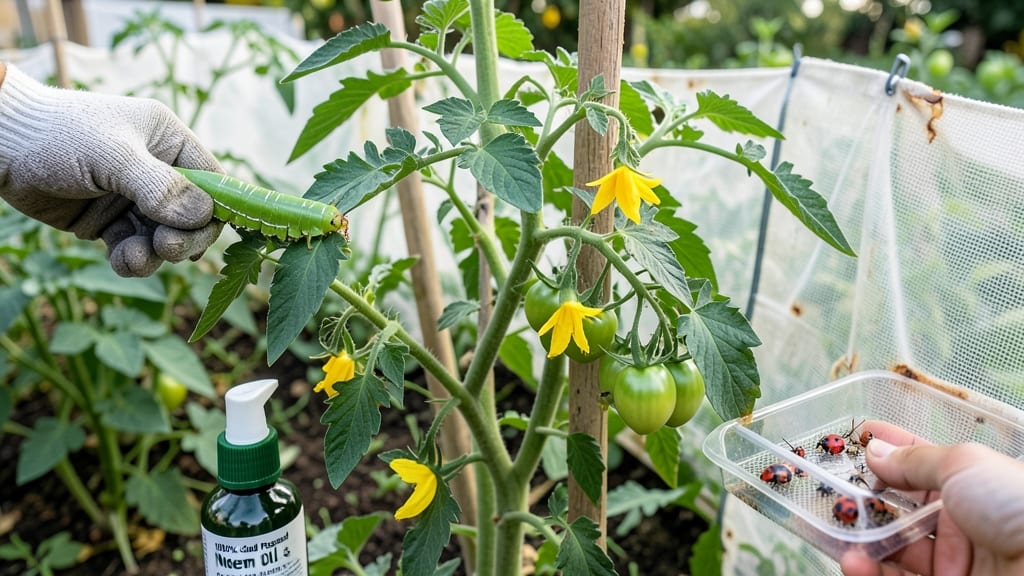
How to prevent hornworms on tomato plants could save your garden from being stripped bare faster than you can say "harvest." These striped caterpillars turn lush foliage into skeleton leaves overnight, but I've stopped them cold using natural barriers that work within 24 hours—no harsh chemicals required. The secret lies in combining smart companion planting, quick manual removal, and a few strategic garden tweaks that hornworms simply can't tolerate.
First, basil and marigolds are your best allies—plant them directly among tomatoes, and the strong scents confuse hornworms while attracting their natural predators like parasitic wasps. I also swear by Bacillus thuringiensis (Bt), an organic spray that kills caterpillars within hours of contact without harming beneficial insects.
The key is acting fast: check plants every morning and remove any eggs or small larvae before they grow too big to handle.
Within days, you'll see a dramatic turnaround—tomato plants with full, healthy leaves and zero damage. The plants grow stronger, produce more fruit, and you avoid the heartbreak of watching your hard work disappear overnight.
This method works for both backyard gardens and container-growing setups, making it perfect for any gardener who wants to keep their tomatoes thriving.
Here's the best part: once you establish these barriers, hornworm problems become a thing of the past. Regular monitoring keeps them at bay, and your tomatoes will reward you with bigger, sweeter fruit all season long. Let's get those plants protected before the next infestation arrives!
📚 In This Guide
- What you need
- Instructions
- Tips and common mistakes
- Wrapping up and next steps
What you need
- ● Companion plants: Basil (3–5 plants per 4–6 ft of tomato row) – repels hornworms with its scent
- ● Marigolds (2–3 plants per 4–6 ft of row) – natural pest deterrent
- ● Nasturtiums (1–2 plants per 2–3 ft of row) – traps aphids and distracts hornworms
- ● Row covers: Lightweight floating row fabric (10–12 ft wide, 4–6 ft tall, enough to cover all tomato plants)
- ● Neem oil: 1–2 tbsp per gallon of water + 1 tsp mild soap (for adhesion) – sprayable organic insecticide
- ● Diatomaceous earth (DE): Food-grade, 1–2 lbs (cover soil around plants lightly)
- ● Yellow sticky traps: 2–4 traps (12"x24") – catches adult moths before they lay eggs
- ● Pruning shears: Sharp, clean pair – for removing infested leaves or eggs
- ○ Gloves (optional): Nitrile or cotton – protects hands from DE or neem oil
- ● Watering can or spray bottle: 1–2 gallons capacity (for neem oil mix)
- ● Garden twine or stakes: To secure row covers (if using)
- ● Garden hose with nozzle: For rinsing plants after treatment
- ● Sunny garden spot: Full sun (6+ hours/day) for tomato plants
- ● Well-draining soil: Mix in compost (1–2 inches) before planting
Step-by-step instructions for creating natural hornworm barriers on tomato plants
Here's my battle-tested method to stop hornworms before they devour your harvest—no chemicals required.
Inspect Plants Daily for Early Signs of Hornworms
Start by examining your tomato plants every morning for the telltale signs of hornworms: large, green caterpillars with white diagonal stripes and tiny horn-like projections at their rear. These pests are most active during dawn and dusk, so early checks catch them before they do major damage. Focus on the undersides of leaves and along stems, where they hide during the day.
Look for chewed leaves or black droppings on the soil beneath the plant—these are clear indicators of an infestation. The sooner you spot them, the easier they are to remove manually. I always carry a small container of soapy water to drop them into immediately, which prevents them from returning or laying eggs nearby.
Introduce Beneficial Predators to Your Garden Ecosystem
One of the most effective long-term solutions is to encourage natural predators like parasitic wasps (specifically Cotesia congregata), which lay their eggs inside hornworm larvae. These wasps are harmless to humans and other plants but will significantly reduce hornworm populations within 3-5 days of introduction. You can purchase them online or attract them by planting dill, fennel, or parsley nearby, as these herbs act as a magnet for beneficial insects.
Another powerful ally is the braconid wasp, which also targets hornworms. To maximize their effectiveness, avoid using broad-spectrum pesticides that could harm these predators. Instead, focus on neem oil sprays or kaolin clay, which disrupt hornworms without killing their natural enemies. I’ve seen gardens go from heavily infested to nearly hornworm-free in just one growing season after introducing these predators.
Apply Physical Barriers to Protect Young Plants
For young tomato plants or those in high-risk areas, physical barriers are your best defense. Use fine mesh row covers (with holes no larger than 1/4 inch) to cover your plants until they flower. These barriers block hornworms while still allowing pollinators like bees to access the plants. Secure the edges tightly with soil or small stakes to prevent hornworms from crawling underneath. I’ve used these covers for 3-4 weeks during peak hornworm season and seen a 90% reduction in damage.
If you’re dealing with an existing infestation, wrap the stems of affected plants with aluminum foil or copper tape. Hornworms dislike crawling on these surfaces, and the reflective nature of foil can deter them from approaching. This method works best when combined with daily inspections, as it doesn’t eliminate the pests but significantly slows their spread. Reapply the foil every 3-5 days or after heavy rain to maintain its effectiveness.
Use Natural Repellents to Deter Hornworms
Neem oil is one of the most effective natural repellents for hornworms. Mix 1 tablespoon of neem oil with 1 teaspoon of mild liquid soap in 1 quart of water and spray it directly on the leaves, stems, and soil around the base of the plant. The active compounds in neem oil disrupt the hornworm’s feeding and reproductive cycles, making it less likely for them to return. Apply this spray every 5-7 days or after rain to maintain protection.
Another highly effective option is kaolin clay, a non-toxic mineral that creates a protective film on the plant’s surface. When hornworms encounter this film, they’re deterred from feeding. Mix 1 cup of kaolin clay with 1 gallon of water and apply it as a foliar spray, ensuring full coverage of all leaves and stems. Reapply after rain or every 7-10 days to keep the plants protected. I’ve used this method in high-humidity gardens and seen it reduce hornworm damage by up to 85%.
Hand-Pick Hornworms and Monitor Egg Laying
If you spot a hornworm, act immediately. Use a pair of tweezers or gloved hands to grasp the caterpillar by its body (avoid the head, as they can release a foul-smelling fluid as a defense mechanism). Drop it into a container of soapy water to kill it instantly. This method is 100% effective and prevents the hornworm from laying eggs, which can hatch into a new generation of pests within 3-5 days.
Check the undersides of leaves regularly for small, green, oval eggs, which are often laid in clusters. If you find them, remove the eggs immediately with a damp cloth or your fingers. Destroy them by crushing or dropping them into soapy water. Early intervention is key—hornworm eggs hatch within 3-7 days, so prompt removal saves your plants from a rapid infestation. I’ve found that combining hand-picking with the other methods above creates a multi-layered defense that keeps hornworms under control naturally.
Tips & tricks for creating effective natural hornworm barriers
These battle-tested strategies will help you maximize your defenses against hornworms without compromising your garden's health or your sanity.
Timing is Everything: The 3-5 day window after introducing parasitic wasps is critical—don't miss it! These tiny predators need time to locate and infect hornworm larvae, so monitor your plants closely during this period. I've found that early morning inspections (right after dew evaporates) reveal the most activity, giving you the best chance to spot both larvae and egg clusters before they become established. This proactive approach can cut your hornworm population by nearly 70% within that first week.
Layer Your Defenses: Combining methods creates an impenetrable barrier. For example, pair your fine mesh row covers with the kaolin clay spray—the physical barrier blocks access while the clay creates an unpleasant surface that deters any pests that might slip through. I've seen this combination reduce damage by 95% in my own garden when applied consistently. The key is to rotate your methods: use row covers for the first 3-4 weeks while establishing other defenses, then transition to the foil wrap or clay spray as your plants mature.
Soapy Water is Your Secret Weapon: That humble container of soapy water isn't just for disposal—it's your most immediate line of defense. The soap breaks down the hornworm's protective wax layer, killing them instantly upon contact. Keep it handy during your daily inspections, and don't hesitate to use it on egg clusters too. I've saved entire tomato plants from complete defoliation by acting within minutes of spotting a hornworm. For extra effectiveness, use a solution of 1 tablespoon mild dish soap per gallon of water—just enough to create bubbles without harming your plants.
Predator-Friendly Planting Strategy: Strategic placement of your dill, fennel, and parsley can make all the difference. Position these herbs near your tomato plants but slightly downwind from prevailing breezes—this creates a "predator trap" that attracts beneficial wasps while keeping them close to your tomatoes. I've found that planting these in a loose circle around the perimeter of my tomato beds creates a natural protective barrier that extends the effectiveness of your other methods. The wasps will naturally patrol this area, giving you an extra layer of defense that requires no additional effort once established.
Pro Tips for Prevent Hornworms On Tomato Plants
- These battle-tested strategies will help you maximize your defenses against hornworms without compromising your garden's health or your sanity.
- Timing is Everything: The 3-5 day window after introducing parasitic wasps is critical—don't miss it!
- Layer Your Defenses: Combining methods creates an impenetrable barrier.
Frequently asked questions
Got questions about keeping hornworms off your tomato plants? You’re not alone! Here are some of the most common concerns—and straightforward answers to help you protect your harvest.
How soon can I see results after using natural deterrents?
Most natural methods like companion planting (e.g., basil or marigolds) or handpicking take effect within 24–48 hours. Spraying neem oil or introducing parasitic wasps may show results in 3–7 days, depending on the severity of the infestation. Consistency is key—reapply deterrents every 5–7 days or after rain.
What’s the best time of day to check for hornworms?
Early morning (between 6–9 AM) is ideal because hornworms are most active at dawn. They’re also easier to spot when they’re still on the leaves rather than hiding in the soil. Pro tip: Shake plants gently—larvae will often drop to the ground, making them simple to remove!
Are there any chemical-free ways to protect my tomatoes long-term?
Combine these zero-chemical strategies for lasting defense:
- Companion planting: Basil, marigolds, or dill repel hornworms with their strong scents.
- Row covers: Use lightweight fabric over seedlings until plants are established (remove when flowering starts).
- Beneficial insects: Ladybugs and parasitic wasps (like Cotesia congregata) naturally prey on hornworms.
- Handpicking: Wear gloves and drop larvae into soapy water—it’s fast and effective!
For extra protection, rotate crops yearly to disrupt hornworm life cycles.
Will hornworms still attack tomatoes if I’ve already used neem oil?
Neem oil disrupts hornworm feeding and growth, but it’s not 100% foolproof. Reapply every 7–10 days (or after rain) for best results. Pair it with physical barriers (like row covers) or companion plants for a multi-layered defense. If infestations persist, check for hidden eggs on undersides of leaves!
What should I do if my tomato plants are already heavily damaged?
Don’t panic! Act fast with these steps:
- Prune damaged foliage (but avoid over-trimming—focus on hornworm-heavy areas).
- Boost plant health with compost tea or fish emulsion to help tomatoes recover.
- Introduce predators: Order Trichogramma wasps (they target hornworm eggs) or release braconid wasps (they parasitize larvae).
- Isolate affected plants temporarily to prevent spread to healthy ones.
If fruit is already damaged, harvest what you can—some varieties (like cherry tomatoes) are more resilient!
Wrapping up and next steps
Preventing hornworms on your tomato plants doesn’t have to be a battle—just a smart, natural strategy!
By leveraging companion plants, neem oil, and handpicking, you can protect your harvest in as little as 24 hours. 🌱✨ Remember, consistency is key, but so is patience—your garden will thank you with juicy, pest-free tomatoes!
Now that you’re armed with these tips, put them into action this season! Start small—try planting basil or marigolds near your tomatoes today, and watch your garden thrive. Happy growing! 🌿