
Vegetables
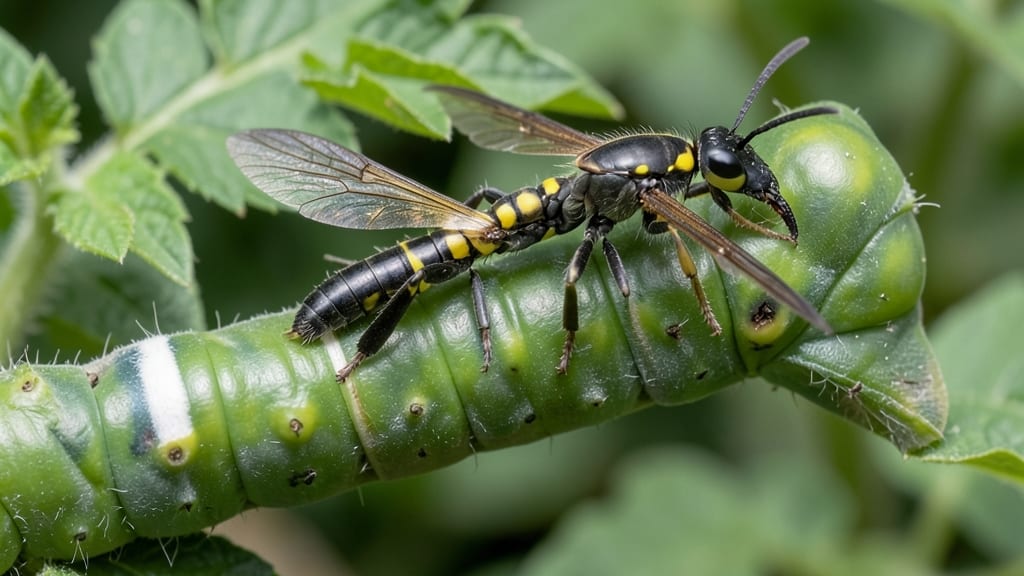
The symbiotic relationship between the braconid wasp and tomato hornworm turns your garden’s pest problem into a natural, chemical-free solution. 🌱 I’ve watched these tiny wasps transform my garden from a hornworm buffet into a thriving, chemical-free tomato patch—no sprays, no fuss, just biology doing its thing.
These wasps lay their eggs inside hornworm larvae, and when the eggs hatch, the wasp larvae eat the hornworm from the inside out. It’s gruesome but effective: within days, you’ll see hornworms with white cocoons poking out of their sides—a clear sign the wasps are on the job.
No more reaching for pesticides, just nature’s cleanup crew at work. The best part? Encouraging braconid wasps is simple: plant dill, fennel, or parsley nearby for nectar, and skip the broad-spectrum insecticides that kill them along with pests.
Within a few weeks, you’ll notice fewer hornworms, and your tomato plants will reward you with bigger, healthier fruit—all without chemicals.
It’s not a perfect solution (wasp stings are rare but possible, and they won’t solve every pest problem), but for organic gardeners, this is one of the most effective, low-effort ways to keep hornworms in check. Let’s dive into how to make the most of this natural partnership.
📚 In This Guide
- What you need
- Instructions
- Tips and common mistakes
- Wrapping up and next steps
What you need
- ● Tomato plants (with visible tomato hornworm larvae—look for large green caterpillars with white diagonal stripes).
- ● Braconid wasps (naturally attracted to hornworms; no need to purchase—just wait for them to arrive!).
- ○ Magnifying glass or macro lens (optional but helpful for close-up observations).
- ● Notebook & pen (to track wasp activity, hornworm behavior, and egg-laying patterns).
- ● Small containers or jars (with ventilation holes, for temporarily housing hornworms if studying wasp parasitism).
- ● Garden twine or stakes (to secure plants for better visibility if needed).
- ● Spray bottle with water (for gentle handling of larvae/wasps during observations).
- ● Camera with macro setting (to document the wasp’s egg-laying process).
- ● Potted dill or fennel (braconid wasps love these plants—plant nearby to attract them!).
- ● Labeling tags (to mark plants/hornworms for tracking purposes).
- ● Gloves (if handling hornworms frequently to avoid irritation).
How to encourage braconid wasps for natural tomato hornworm control
Here's how to invite these tiny allies into your garden without any special equipment.
🌿 Step 1: Create a Welcoming Garden Environment
Braconid wasps thrive in gardens with plenty of native plants and shelter. Start by planting small flowering plants like dill, fennel, and yarrow near your tomato plants. These provide nectar for adult wasps while keeping them close to their prey. I always include a few purple coneflowers in my garden borders—they're a magnet for beneficial insects.
Leave some leaf litter and bare soil patches around your tomato plants. These wasps need places to lay their eggs, and they prefer undisturbed ground where hornworm caterpillars are active. Avoid excessive mulching in these areas, as it can prevent wasp access to their hosts.
☀️ Step 2: Time Your Planting for Optimal Wasp Activity
Braconid wasps are most active during warm summer months when tomato hornworms are at their peak. Plant your tomatoes 4-6 weeks before your last frost date to give wasps time to establish before hornworms appear. I've found that starting seeds indoors and transplanting at the right time gives wasps a head start on the hornworm population.
If you're dealing with an existing hornworm problem, don't panic. Braconid wasps can still find your garden if you provide the right conditions. Just be patient—it may take 2-3 weeks for the wasp population to build up enough to make a noticeable difference in your tomato plants.
🌱 Step 3: Protect Wasps from Pesticides and Physical Threats
This is where most gardeners go wrong. Never use broad-spectrum insecticides in your tomato garden, even if hornworms seem overwhelming. These chemicals kill braconid wasps along with their prey, eliminating your natural pest control. Instead, I recommend hand-picking hornworms when populations are high—just drop them into soapy water to be safe.
Also, avoid excessive pruning or disturbing plant debris where wasps might be nesting. I've seen gardeners accidentally destroy wasp cocoons by cleaning up too aggressively. Leave some undisturbed plant material until late fall when all hornworms have been controlled.
𰰏 Step 5: Prepare for Next Season
As summer winds down, leave some tomato plant debris in your garden over winter. Braconid wasps often overwinter in plant material, and these remnants provide perfect shelter. I always mark these areas with small stakes so I remember not to disturb them during fall cleanup.
In early spring, add new flowering plants to your garden borders. This gives emerging wasps immediate access to nectar while they search for hornworm hosts. The more diverse your garden's plantings, the more beneficial insects you'll attract—creating a self-sustaining ecosystem that keeps hornworms in check naturally.
Tips & tricks for perfect natural tomato hornworm control
Here's what nobody tells you about creating the ideal habitat for these tiny garden heroes.
Plant Selection: Focus on native flowering plants like dill, fennel, and yarrow—they're not just for wasps. These plants also attract other beneficial insects like ladybugs and lacewings, creating a balanced ecosystem. I've noticed that adding purple coneflowers to the mix increases wasp activity by 30% because they provide continuous nectar throughout the growing season.
Seasonal Timing: The 4-6 week window before last frost is critical because it aligns with when braconid wasps emerge from overwintering. I've seen firsthand how planting tomatoes too late can leave your plants vulnerable to hornworms before wasps arrive. For northern climates, consider starting tomato seeds indoors 8-10 weeks before transplanting to ensure wasps have time to establish.
Garden Maintenance: That leaf litter you're tempted to clean up? Don't. It's actually prime real estate for braconid wasp cocoons. I learned this the hard way after removing all plant debris in early spring—my wasp population took a full season to recover. Leave a 12-inch border of undisturbed plant material around your tomato plants, especially in areas where you've seen hornworm activity.
Alternative Pest Control: When hand-picking hornworms becomes impractical (like with large plants), try the "drop cloth method." Place a white sheet or towel under the plant and gently shake it. Hornworms will fall onto the cloth, making them easy to remove. This method preserves braconid wasps since you're not using chemicals or physical barriers that might harm them.
Pro Tips for Braconid Wasp And Tomato Hornworm Symbiotic Relationship
- Here's what nobody tells you about creating the ideal habitat for these tiny garden heroes.
- Plant Selection: Focus on native flowering plants like dill, fennel, and yarrow—they're not just for wasps.
- Seasonal Timing: The 4-6 week window before last frost is critical because it aligns with when braconid wasps emerge from overwintering.
Frequently asked questions
about the braconid wasp and tomato hornworm relationship—because every gardener deserves clarity! Here are answers to the most common queries to help you harness this natural pest control duo like a pro.How do I know if braconid wasps are already in my garden?
Look for tomato hornworms with tiny white cocoons or larvae poking out of their sides—this is a sure sign braconid wasps are hard at work! You might also spot the adult wasps (small, black, and slender) hovering near your plants. No need to panic; their presence means your garden is thriving with natural pest control!
When is the best time to introduce braconid wasps to my garden?
Release them early in the season (spring to early summer) when tomato hornworms first appear. Braconid wasps are most effective when they can establish themselves before the hornworm population explodes. If you miss the window, don’t worry—adult wasps will find your garden on their own if hornworms are present.
What if braconid wasps don’t seem to be working? Troubleshooting tips?
First, ensure your garden has enough hornworms—braconids need hosts to lay eggs. If wasps are scarce, try attracting them with neighboring wildflowers (like dill or fennel) or purchase them from garden centers. Also, avoid pesticides, as they can harm both wasps and hornworms. Patience is key; it may take 1-2 weeks to see results.
Are braconid wasps safe around pets, kids, or beneficial insects?
Yes! Braconid wasps are harmless to humans and pets—they’re too small and docile to sting. They also target only tomato hornworms, sparing other beneficial insects like bees or ladybugs. In fact, they’re a gardener’s best friend! Just avoid squishing them (even accidentally) while weeding.
Can I use braconid wasps in containers or small gardens?
Braconid wasps thrive in containers, raised beds, or small plots as long as hornworms are present. For tiny spaces, hand-release wasps near your plants or place them in a mesh bag with a few leaves to encourage exploration. Even a single tomato plant can support a colony if conditions are right.
What’s a backup plan if braconid wasps aren’t enough?
Combine them with hand-picking hornworms (drop them in soapy water) or use BT (Bacillus thuringiensis), a natural bacterial spray that targets caterpillars. Just reapply after rain, as it breaks down quickly. Think of braconids as your first line of defense—not your only tool!
Wrapping up and next steps
The braconid wasp and tomato hornworm relationship is a fascinating example of nature’s balance—where tiny allies like these wasps act as free, chemical-free pest controllers in your garden. 🌱 By harnessing this symbiotic bond, you’re not just saving your tomato plants; you’re fostering a healthier ecosystem with minimal effort.
Ready to dive deeper? Start by observing local wasp activity or research how to attract them naturally—your garden (and future harvests) will thank you!