
Companion Plants
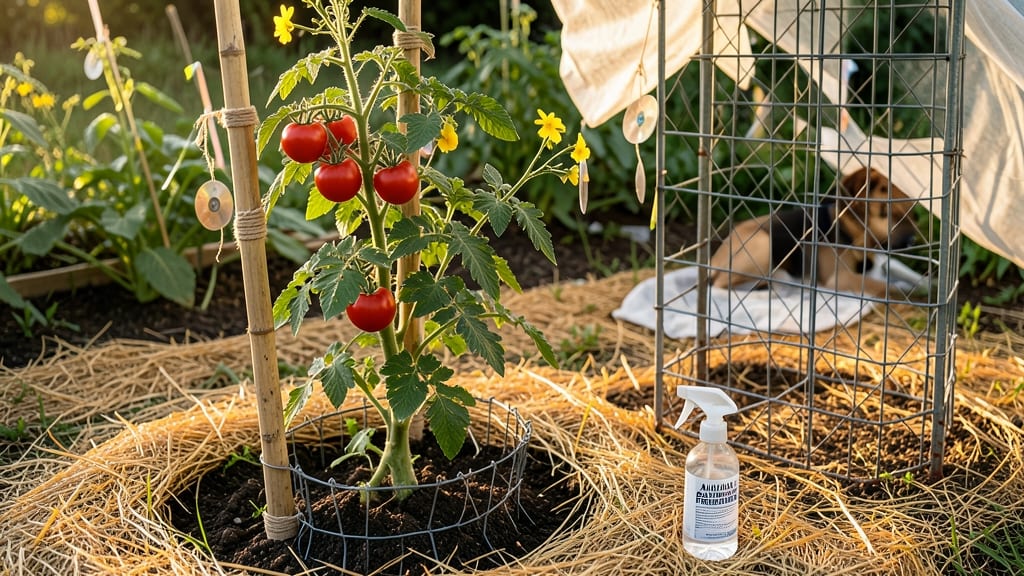
My tomato plants got munched to nubs by rabbits last summer—until I learned these animal-repelling barriers that actually work. 🌱 The right mix of physical protection and clever deterrents can save your harvest without harming critters or your wallet.
Start with row covers or cages for small pests like squirrels, then add deer fencing or companion plants (like marigolds or basil) for bigger threats. The key is layering defenses—what works for rabbits fails against deer, and vice versa.
You’ll see fewer chewed leaves within days, and your tomatoes will grow strong enough to outpace even the hungriest garden visitors. The best part? These methods keep working season after season with minimal upkeep.
Regional tweaks matter: Use tall fencing in deer-heavy areas, spicy sprays for rabbits, and bird netting for squirrels. Let’s get your plants protected the right way!
📚 In This Guide
- What you need
- Instructions
- Tips and common mistakes
- Wrapping up and next steps
What you need
- ● Physical Barriers: 1–2 rolls of chicken wire (19-gauge, 4' x 100') – for rabbits, deer, and ground-dwelling pests.
- ● 1–2 rolls of hardware cloth (½" mesh, 4' x 100') – sturdier option for determined critters like raccoons.
- ● 4–6 sturdy wooden stakes (2–3 ft tall, ½" diameter) – to anchor barriers around plant bases.
- ● Natural Deterrents: 1–2 spray bottles (8–16 oz) – for homemade repellent mixes (vinegar, hot pepper, or garlic spray).
- ● 1 gardening hose with spray nozzle – for rinsing plants after applying sprays.
- ○ Optional: companion plants (e.g., basil, marigolds, or nasturtiums) – plant 1–2 ft around tomatoes to confuse pests.
- ● Scare Tactics: 1–2 reflective tape or old CDs – hang near plants to startle birds and deer.
- ○ 1 motion-activated sprinkler (optional) – for larger areas (e.g., deer-prone zones).
- ○ Safety Gear (Optional but Recommended):strong> 1 pair of gardening gloves – to protect hands from thorns or sprays.
- ● 1 face mask – if mixing strong repellents (e.g., hot pepper spray).
Step-by-step instructions for creating animal-repelling barriers around tomato plants
Here's the practical approach I've used across seasons to keep critters away without harming them or your plants.
🪴 Step 1: Assess Your Garden's Most Vulnerable Areas
Start by identifying where animals are most likely to attack. Deer, rabbits, and groundhogs typically target the most accessible plants—usually those near fences, property lines, or garden edges. I always check for fresh bite marks, flattened stems, or disturbed soil around the base of plants. Focus your barriers on these high-risk zones first.
Look for animal trails or droppings near your garden. These are clear indicators of frequent visitors. If you spot them, you'll know exactly where to concentrate your protective efforts. I've found that even a small section left unprotected can become an entry point for bigger problems.
🌿 Step 2: Install Physical Barriers with Height and Depth
For rabbits and groundhogs, use chicken wire or hardware cloth with 12-inch tall walls buried 12 inches deep around the plant base. These animals can dig under fences, so depth is critical. I like to bend the wire outward slightly at the top to create a slight overhang—this prevents critters from climbing over.
For deer, you'll need taller barriers—at least 8 feet high—because they can jump over lower fences. Use sturdy materials like wooden posts with wire mesh or deer-resistant fencing. Remember, deer are persistent, so make sure your barrier extends at least 6 inches outward from the plant to discourage them from reaching over.
💧 Step 3: Add Natural Deterrents Around the Base
Plant strong-smelling herbs like rosemary, thyme, or sage around the perimeter of your tomato plants. These scents confuse and deter many pests naturally. I also sprinkle crushed red pepper flakes or garlic powder around the base—these irritate animal noses and keep them away without harming the plants.
Another trick I swear by is diatomaceous earth (food-grade only) around the base. It’s a natural powder that damages the exoskeletons of insects and deters larger animals. Just be sure to reapply after rain or watering, as it loses effectiveness when wet.
✂️ Step 4: Use Motion-Activated Deterrents for Extra Protection
Place motion-activated sprinklers near high-risk areas. These devices spray a sudden burst of water when they detect movement, scaring off animals without harming them. I position mine 6-8 inches from the plant stems so they don’t accidentally spray your tomatoes. They’re especially effective for deer and rabbits.
For persistent problems, try ultrasonic repellents—these emit high-frequency sounds that annoy animals but are inaudible to humans. Place them within 10 feet of the plants and check the batteries regularly. I’ve found they work best when combined with physical barriers, not as a standalone solution.
☀️ Step 5: Monitor and Adjust Your Defense System
Check your barriers weekly for gaps, damage, or signs of animal activity. Animals are clever—they’ll find weaknesses if given the chance. If you notice fresh bite marks despite your barriers, reinforce weak spots immediately. I like to keep a small notebook to track which deterrents are working best in my garden.
Rotate natural deterrents every 2-3 weeks to maintain their effectiveness. Animals can become accustomed to scents over time, so switching between crushed pepper, garlic, or herbs keeps them guessing. If you’re dealing with a particularly determined pest, don’t hesitate to combine multiple methods for maximum protection.
Tips & tricks for effective animal-repelling barriers around tomato plants
These battle-tested strategies will help you create a fortress that keeps critters at bay without harming your garden ecosystem.
The Depth Factor: When burying your 12-inch tall chicken wire barriers for rabbits and groundhogs, don't skimp on the 12-inch depth. I've seen determined groundhogs dig through barriers that were only buried 6 inches deep. Use a shovel to create a trench first, then press the wire firmly into the soil to eliminate any gaps. For extra security, bend the wire outward at the top to create a slight overhang—this prevents climbing critters from getting a foothold.
Herb Placement Strategy: When adding your strong-smelling herbs like rosemary and thyme, plant them in a circular pattern about 12-18 inches from your tomato plants. This creates a natural scent barrier that animals will avoid. I've found that mixing these herbs with your tomato plants actually improves their growth while repelling pests. The key is to maintain this herb ring consistently—don't let it become sparse or overgrown.
Deterrent Rotation System: The 2-3 week rotation schedule for natural deterrents is crucial because animals can become accustomed to scents over time. I keep a small garden journal where I track which deterrents I've used and when. For example, I'll use crushed red pepper flakes for two weeks, then switch to garlic powder for the next two weeks, followed by diatomaceous earth. This rotating system keeps animals guessing and prevents them from adapting to your defenses.
Motion Sprinkler Positioning: When placing your motion-activated sprinklers 6-8 inches from plant stems, consider the spray pattern of your specific model. Some sprinklers have wider coverage than others. I like to position mine so they cover the most vulnerable areas—typically where plants meet the ground. Remember that these devices need direct line of sight to detect movement, so don't place them behind dense foliage or obstacles.
Pro Tips for Protect Tomato Plants From Animals
- These battle-tested strategies will help you create a fortress that keeps critters at bay without harming your garden ecosystem.
- The Depth Factor: When burying your 12-inch tall chicken wire barriers for rabbits and groundhogs, don't skimp on the 12-inch depth.
- Herb Placement Strategy: When adding your strong-smelling herbs like rosemary and thyme, plant them in a circular pattern about 12-18 inches from your tomato plants.
Frequently asked questions
Got more questions about keeping critters away from your tomato plants? Here are some common ones—and the answers you need to keep your garden thriving!
What’s the best time of year to install animal deterrents?
Start protecting your tomato plants before planting season! For deer, install fencing or repellents in early spring (March–April). For rabbits and groundhogs, use barriers when seedlings go in (April–May). Birds? Scare tactics work year-round, but focus on fruit ripening season (July–September) to save your harvest.
Will companion plants really keep animals away?
Yes—but they’re not foolproof! Strong-smelling companions like marigolds, basil, or garlic can deter pests, but they won’t stop determined deer or rabbits. Use them as a first line of defense alongside physical barriers (like netting or fencing) for the best results. Think of them as a multi-layered shield!
What if animals keep coming back after I’ve tried repellents?
If critters ignore sprays or fences, rotate your tactics. Try motion-activated sprinklers for deer, chicken wire wrapped around plants for rabbits, or reflective tape for birds. Also, remove fallen fruit—it’s a buffet call! Persistence pays off, so adjust your strategy every few weeks.
Are there affordable DIY solutions for protecting tomato plants?
Skip expensive store-bought sprays and try:
- Egg cartons (bury around plants to deter cutworms)
- Old CDs or pie tins (hang to scare birds with reflections)
- Coffee grounds (sprinkle around the base—animals hate the smell!)
- Plastic milk jugs (cut and stake around plants to confuse rabbits)
Can I protect tomato plants without harming the environment?
Yes! Skip chemical repellents and opt for natural, eco-friendly solutions like:
- Neem oil sprays (deters insects without toxins)
- Predator-friendly barriers (e.g., chicken wire that doesn’t trap animals)
- Plant-based deterrents (e.g., hot pepper spray or garlic water)
- Encourage natural predators (e.g., ladybugs for aphids, owls for rodents)
Wrapping up and next steps
Protecting your tomato plants from hungry critters doesn’t have to be a battle—just a smart, layered strategy! 🌱 By combining physical barriers, natural repellents, and companion planting, you’ll safeguard your harvest while keeping your garden thriving.
Start small, experiment with what works best in your area, and soon you’ll enjoy plump, pest-free tomatoes all season long.
Ready to take action? Pick one method from this guide today—whether it’s setting up a fence, planting marigolds, or trying a DIY spray—and watch your garden flourish! 🚀