
How To
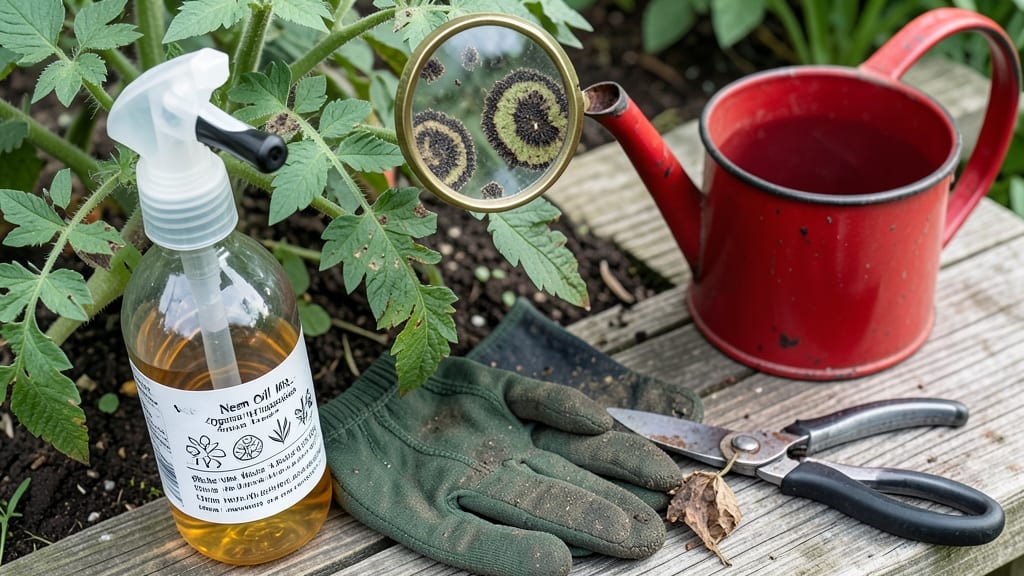
How to treat black leaves on tomato plants isn’t a death sentence—just a fungal warning sign. 🌱 I've saved dozens of plants from early blight and bacterial spot using these three simple sprays made from things you already have in your pantry. The key is acting fast before the disease spreads to the fruit.
First, identify the problem: early blight shows as concentric rings on lower leaves, while bacterial spot creates tiny water-soaked spots with yellow halos. Both love warm, humid conditions—exactly what summer gardens provide.
The good news? You can stop it with copper spray, a baking soda mix, or neem oil, all of which disrupt fungal growth without harming beneficial insects.
Within a week of treatment, you'll see new growth pushing out healthy and green. Prune infected leaves immediately (don't compost them!) and space plants for better airflow.
The goal is to break the disease cycle before it reaches your tomatoes—because once it does, those black spots turn into bitter, unusable fruit.
This method works for container gardens, raised beds, and in-ground plants alike. The sprays are safe to use right up until harvest, so you can keep spraying until the season ends. Just remember: prevention is easier than cure, so rotate your sprays every few weeks to keep those fungi guessing.
Root Causes of Blackened Tomato Leaves
When your tomato plants start showing blackened leaves, it’s often a cry for help from the plant itself. Understanding the why behind this issue is the first step toward saving your harvest.
Below, we break down the most common culprits—each with a clear scientific explanation and actionable clues to spot them early.
Black leaves on tomato plants are frequently linked to waterlogged roots, a condition known as phytoftora root rot or southern blight. Here’s how it happens:
- Excess moisture: Tomato roots thrive in well-drained soil with 60-70% moisture but suffocate when submerged. Overwatering or compacted soil traps water, cutting off oxygen to the roots.
- Fungal invasion: Anaerobic conditions (low oxygen) weaken roots, making them vulnerable to Phytophthora or Rhizoctonia fungi. These pathogens clog root vessels, blocking water and nutrient uptake.
- Visual red flags:
- Leaves turn black and mushy (not crispy or dry).
- Wilting despite wet soil (a classic "thirsty but drowning" sign).
- White, cottony fungal growth at the soil line (southern blight).
Pro tip: Stick your finger 2 inches into the soil—if it’s soggy, hold off on watering. Tomato plants prefer deep but infrequent watering (1-2 inches per week) over daily sprinkles. 💡
Fungi like Alternaria (early blight) and Septoria (late blight) thrive in humid conditions, turning leaves black with concentric rings or spots. Here’s the science:
- Spore spread: Fungal spores land on leaves, germinate in moisture, and penetrate through stomata (leaf pores). They release toxins that kill plant cells, creating blackened patches.
- Environmental triggers:
- High humidity (70%+): Ideal for spore germination.
- Poor airflow: Crowded plants or dense foliage trap moisture.
- Temperature swings: Cool nights (50–60°F) followed by warm days accelerate fungal growth.
- How to ID them:
Disease Leaf Pattern Other Clues Alternaria (Early Blight) Brown/black concentric rings with yellow halos. Starts on lower leaves; stems develop dark lesions. Septoria (Late Blight) Small black dots that expand into greasy-looking spots. Spreads rapidly in wet conditions; affects fruits too.
🔥 Key insight: Fungal spores can survive in soil for years. Crop rotation and removing infected debris are critical. 🌱
Blackened leaves can also signal heat stress, where high temperatures (>90°F) or intense sunlight damage leaf cells. Here’s the breakdown:
- Cell membrane damage: Heat disrupts thylakoid membranes in chloroplasts (where photosynthesis happens), causing oxidative stress and cell death.
- Sunburn symptoms:
- Leaves turn black or brown in sun-exposed areas (e.g., edges, upper leaves).
- Tissue may feel papery or crispy (unlike fungal softness).
- New growth is stunted or curled.
- Prevention:
- Provide afternoon shade (use shade cloth or row covers).
- Mulch with straw or grass clippings to keep roots cool.
- Avoid fertilizer burns (high nitrogen can increase heat sensitivity).
✨ Fun fact: Tomatoes originally grew in temperate climates—modern hybrids can handle heat, but extreme conditions still stress them. 🌡️
Too much of a good thing—like salt buildup from fertilizers or harsh pesticides—can scorch leaves black. Here’s how it works:
- Salt toxicity: Fertilizers (especially synthetic ones) leave sodium or chloride residues in soil. These salts draw water out of plant cells via osmosis, causing dehydration and blackened edges.
- Herbicide drift: Glyphosate or other broadleaf herbicides can mimic tomato plant symptoms, leading to blackened, curled leaves.
- Signs to watch for:
- Blackening starts at leaf tips or margins and spreads inward.
- Soil has a crusty or white residue (salt buildup).
- Plants wilting despite adequate water.
💡 Fix it: Flush soil with 5+ gallons of water per plant to dilute salts. Use organic fertilizers (compost, fish emulsion) for slower nutrient release. 🌱
Now that you know the why, the next step is how to fix it. Stay tuned for our DIY household sprays to tackle these issues—no fancy (or expensive) tools needed! 🛠️
Fixing Black Leaves Fast
Now that you know the culprits behind those unsightly black leaves on your tomato plants, let’s roll up our sleeves and get to work! The good news? Most issues are fixable with simple, natural remedies—no fancy tools or expensive treatments required.
Below, we’ve mapped out practical solutions tailored to the most common causes, plus prevention tips to keep your plants thriving. Think of this as your go-to troubleshooting guide for a lush, healthy tomato harvest.
If black or brown spots with yellow halos (or concentric rings) are spreading, fungi are likely the villains. Act fast—these spread quickly!
🔥 Step 1: Prune the Problem Areas
- 🔪 Snip it out: Use sterilized pruners (wipe with rubbing alcohol) to remove all infected leaves.
Bag and toss them in the trash—do not compost—to prevent reinfection. - 🌿 Focus on airflow: Thin out crowded foliage so air circulates. Aim for 6–12 inches between plants and stake or cage them to avoid wet leaves.
🍳 Step 2: Apply a Fungal Spray (3 Household Remedies)
Choose one of these sprays and apply every 7–10 days until new growth appears healthy. Best used at dawn or dusk to avoid burning leaves in sunlight.
| Spray | How to Make It | How to Use |
|---|---|---|
| Baking Soda Spray | 1 tsp baking soda + 1 quart water + 1 tsp horticultural oil or dish soap (reduces surface tension). | Spray undersides of leaves (fungi love hiding there!). Reapply after rain. |
| Copper Fungicide | 1 tsp copper sulfate + 1 quart water (or use store-bought copper spray). | Follow label instructions. Safe for edibles after drying (24 hours). |
| Neem Oil Mix | 2 tbsp neem oil + 1 tsp mild soap + 1 quart water. Shake well before use. | Spray thoroughly, including stems. Reapply every 5–7 days for prevention. |
> 💡 Pro Tip: For severe infections, alternate between baking soda and neem oil to avoid resistance.
🌡️ Step 3: Adjust Growing Conditions
- 💦 Water wisely: Water early in the day (before 10 AM) and at the base (avoid wetting leaves). Use a soaker hose or drip irrigation.
- ☀️ Boost sunlight: Fungi thrive in damp, shady spots.
Ensure your plants get 6–8 hours of sunlight daily. - 🌡️ Monitor humidity: If your garden is humid, space plants farther apart or use a fan on low speed near them.
✨ Prevention for Next Season
- 🌱 Rotate crops: Don’t plant tomatoes (or nightshades like peppers/eggplants) in the same spot for 3 years.
- 🔥 Solarize soil: In late summer, water the soil, cover with clear plastic for 4–6 weeks, and let the sun kill fungal spores.
- 🌿 Plant resistant varieties: Look for tomato types labeled "resistant to early blight" (e.g., ‘Mountain Merit’, ‘Defiant PhR’).
If leaves turn black and mushy (not spotted), root rot or waterlogging is likely. Tomatoes hate "wet feet"!
👨🍳 Step 1: Check the Roots
- 🕵️ Dig gently around the base. Healthy roots are firm and white; rotten roots are black, slimy, or crumbly.
- If roots are rotting, trim the damaged parts with clean shears.
🥘 Step 2: Improve Drainage
- 🪴 Repot or amend soil: Mix in perlite, sand, or compost to loosen heavy soil.
Aim for 60% soil, 30% compost, 10% perlite. - 🚰 Elevate containers: If growing in pots, add gravel or broken pottery at the bottom for drainage. - ⏰ Water smarter: Let the top 1–2 inches of soil dry out between waterings. Stick your finger in—if it’s damp, wait!
🎯 Prevention Tips
- 📊 Use moisture meters (cheap and lifesaving!) to track soil dampness.
- 🌧️ Avoid mulching too thickly near the stem—keep it 2–3 inches away to prevent rot.
- 🌿 Choose well-draining pots with drainage holes (even if you’re not a container gardener!).
Blackened, crispy leaves with yellow edges? Over-fertilizing (especially with nitrogen) or salt buildup from tap water can scorch foliage.
🔥 Step 1: Flush the Soil
- 💦 Water deeply for 10–15 minutes to leach out excess salts or fertilizer.
- ☂️ Use rainwater or distilled water if your tap water is hard (high in minerals).
🍳 Step 2: Adjust Fertilizing Habits
- 📉 Cut back on nitrogen: Switch to a balanced fertilizer (like 5-5-5 or 10-10-10) or an organic option (fish emulsion, compost tea).
- 🌱 Feed lightly: Tomatoes need less fertilizer than most plants—use half the recommended dose every 3–4 weeks.
- 🚫 Avoid fresh manure (especially chicken or rabbit)—it can burn roots. Compost it first for 6+ months.
🌡️ Prevention Tips
- 💡 Test your soil (kit from garden centers) to check pH and nutrient levels.
- 🌿 Use slow-release fertilizers (like Osmocote) to avoid spikes.
- 🚰 Let soil dry slightly before fertilizing—wet soil dilutes nutrients, increasing burn risk.
Tiny holes, webbing, or chewed leaves? Pests can stress plants, leading to blackened areas.
🔪 Step 1: Remove Pests Manually
- 🕷️ Spider mites: Spray leaves with a strong stream of water to knock them off.
- 🐜 Aphids: Wipe them off with a soapy sponge (1 tsp mild soap + 1 quart water).
- 🐛 Caterpillars: Handpick and drop into soapy water.
🍳 Step 2: Apply Natural Repellents
- 🌿 Neem oil spray (same recipe as above) disrupts pest life cycles.
- 🍋 Garlic/chili spray: Blend 2 garlic cloves + 1 tbsp cayenne + 1 quart water.
Strain and spray. - 🌼 Companion plants: Interplant with basil, marigolds, or nasturtiums to deter pests.
🎯 Prevention Tips
- 🕸️ Inspect plants weekly—catch pests early!
- 🌿 Use row covers for young plants to block flying insects.
- 💦 Encourage beneficial insects (ladybugs, lacewings) with dill or fennel nearby.
Sudden temperature swings (below 50°F/10°C or above 90°F/32°C) can cause blackened, wilted leaves.
🌡️ Step 1: Protect from Extremes
- 🔥 Heat: Provide shade cloth (30–50%) during peak afternoon sun. Mulch heavily to keep roots cool.
- ❄️ Cold: Cover plants with frost blankets or row covers if temps dip
Frequently asked questions about black leaves on tomato plants
Why do tomato leaves turn black in patches with yellow rings?
Those are classic signs of early blight, caused by the fungus Alternaria solani. The yellow halos appear as the fungus spreads between leaf cells. This disease thrives in warm, humid conditions and typically starts on lower leaves before moving upward.
Can I still harvest tomatoes if the leaves are black?
Yes, but only if the black spots haven't reached the fruit. Fungal diseases like early blight primarily attack leaves first. Remove infected leaves immediately and use copper spray to prevent spread. If black spots appear on tomatoes, discard those fruits to avoid contamination.
How often should I apply neem oil for fungal prevention?
Apply neem oil spray every 5-7 days during humid weather or when you first notice fungal symptoms. For prevention, every 10-14 days works well. Always spray in the evening to avoid leaf burn from sunlight.
What's the difference between black leaves from fungus and heat stress?
Fungal black spots usually have yellow halos or concentric rings, while heat stress causes crispy, dry blackening that starts at leaf edges. Heat-damaged leaves often feel papery and may curl upward. Check your local forecast—if temps exceed 90°F, provide afternoon shade.
Will pruning black leaves help my tomato plant recover?
Prune all blackened leaves immediately using sterilized shears and dispose of them in the trash (not compost). This removes fungal spores and improves airflow. Focus on removing lower leaves first since they're most vulnerable to disease.