
Pests
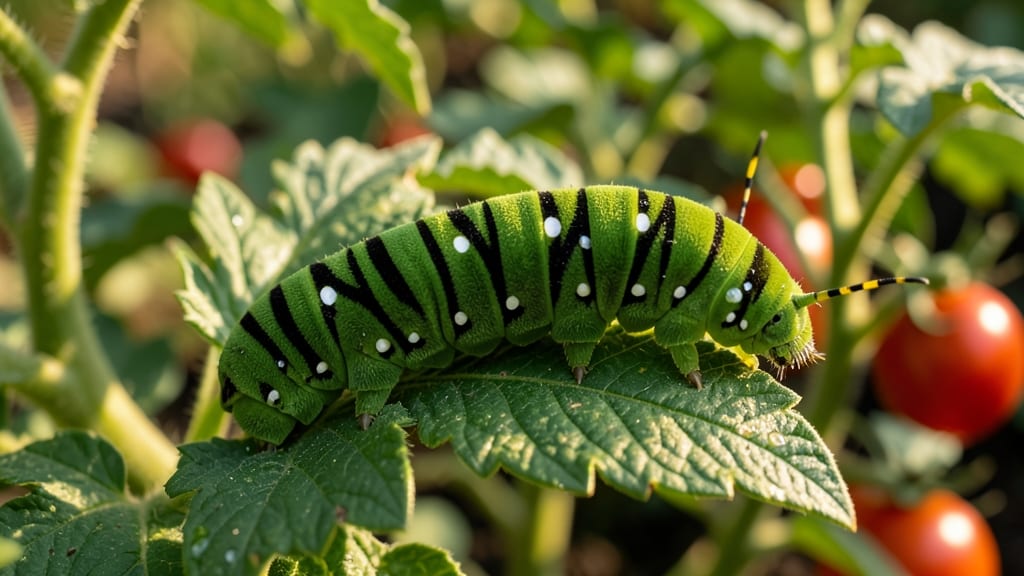
Those huge tomato worms can strip your plants bare in a single night—unless you act fast. 🌱 I’ve lost entire tomato plants to these striped bandits, but I’ve also learned the 3-step barrier system that stops them before they start chewing.
The key is prevention first: row covers, companion plants like basil, and regular scouting for eggs. Once you spot them, handpicking is the fastest way to eliminate them—just toss them in soapy water. No chemicals needed. You’ll see zero damage within a week if you catch them early.
The plants stay strong, the fruit stays intact, and you avoid the heartbreak of a ruined harvest. Works for all tomato varieties, from cherry to beefsteak. Here’s how to set up your defenses before the worms arrive.
Root Causes Of Giant Worms
When your tomato plants suddenly sprout huge, squirming worms that look like they’ve been plucked from a horror movie, it’s not just a random bad luck scenario—it’s usually a mix of environmental factors, plant stress, and poor pest management.
Understanding the why behind these creepy crawlies is the first step to stopping them in their tracks. Let’s break down the most common culprits and how they create the perfect conditions for an infestation.
Tomatoes are a worm’s all-you-can-eat buffet when they’re soft, bruised, or rotting. The tomato fruitworm (a larval stage of the hornworm or corn earworm) is especially drawn to:
- Sun-scalded tomatoes: Fruit exposed to intense heat or drought can develop leathery, cracked skin—an open invitation for eggs to hatch.
- Bird pecks or hail damage: Any puncture or bruise creates an entry point for worms to burrow in and feast.
- Overripe or fallen tomatoes: Worms prefer decaying fruit because it’s easier to digest. A single dropped tomato on the soil can turn into a worm nursery.
Actionable fix: Harvest tomatoes before they ripen indoors if possible, and remove any damaged or fallen fruit immediately. Use row covers to shield plants from birds and hail.
Worms don’t just appear—they’re often invited by a messy garden. Here’s how sloppy habits fuel infestations:
- Leftover plant debris: Old tomato stems, leaves, and vines left in the soil over winter harbor pupating worms, which emerge as moths the next season.
- Compost piles near tomato plants: While compost is great, piles that get too hot can accelerate worm development. Moths are attracted to the warmth and moisture.
- Weeds acting as host plants: Many worm species (like the tomato hornworm) will munch on nearby weeds like nightshade or blackberry if tomatoes aren’t available.
Actionable fix:
- 🔥 Clean up thoroughly after harvest—remove all plant material and bag it for trash (don’t compost it near your garden).
- 🌡️ Monitor compost temps: Keep piles under 140°F to avoid creating a worm incubator.
- ✨ Rotate crops: Avoid planting tomatoes, peppers, or eggplants in the same spot yearly to break the worm life cycle.
In a healthy garden, birds, parasitic wasps, and beneficial nematodes keep worm populations in check. But when these predators are missing, worms thrive. Common reasons for the imbalance include:
- Overuse of broad-spectrum pesticides: Chemicals like carbaryl (Sevin) or malathion kill both pests and their natural enemies, leaving worms unchecked.
- Lack of diverse plantings: Gardens with only tomatoes (or other nightshades) offer fewer food sources for predator insects, reducing their numbers.
- Urban or suburban settings: Fewer birds and toads mean fewer worm hunters patrolling your plants.
Actionable fix:
- 💡 Skip the harsh chemicals: Opt for neem oil or BT (Bacillus thuringiensis), which target worms without harming predators.
- 🌿 Add predator-friendly plants: Dill, fennel, and marigolds attract parasitic wasps, while cosmos draws ladybugs.
- 🐦 Encourage birds: Install birdhouses or feeders near your garden to boost natural worm control.
The tomato hornworm and related species love heat and moisture—they thrive in temperatures between 75–85°F with high humidity. Here’s how climate plays a role:
- Long, hot summers: Worms develop faster in warm soil, leading to multiple generations per season.
- Frequent rain or overhead watering: Damp leaves and soil create ideal egg-laying spots for moths.
- Plastic mulch or black tarps: While these can suppress weeds, they also raise soil temps, accelerating worm growth.
Actionable fix:
- 🌡️ Water at the base (not overhead) to reduce humidity on leaves where moths lay eggs.
- 🔥 Use reflective mulch (like aluminum foil) to lower soil temps if your area gets extremely hot.
- ⏰ Plant early or late: Avoid peak summer heat by starting tomatoes in spring or fall when temps are cooler.
Key takeaway: Giant tomato worms are rarely a sign of a “doomed” garden—they’re usually a symptom of specific conditions you can adjust. By tackling fruit damage, hygiene, predator support, and climate control, you’ll starve out the problem before it starts.
Quick Fixes for Giant Garden Invaders
Got a huge tomato worm (or its close relatives like hornworms) munching through your prized tomato plants? Don’t panic—these squishy critters are easier to handle than you think! Below, we’ll break down practical, natural solutions tailored to the root causes of your infestation.
Whether it’s poor garden hygiene, lack of predators, or overripe fruit attracting them, we’ve got you covered.
If you’ve already spotted these worms, act fast to prevent further damage.
👨🍳 Handpick and Destroy
- How to do it: Wear gloves and inspect leaves (especially undersides) and fruit for worms.
Drop them into soapy water to kill them instantly. - Best time: Early morning when worms are sluggish. - Pro tip: 💡 Check plants every 2–3 days during peak season (late spring to summer).
🥘 Remove Damaged Fruit
- Why it works: Overripe or wounded tomatoes attract more worms.
- How to do it: Pick any bruised or spotted tomatoes and compost them far from your garden (not in your backyard compost bin!).
🌿 Use Physical Barriers
- For seedlings: Wrap young plants in floating row covers (lightweight fabric) to block egg-laying moths.
- For mature plants: Place cardboard collars around stems to deter egg-laying.
Once you’ve handled the current infestation, keep these worms away for good.
🌡️ Encourage Natural Predators
Worms hate competition! Attract their enemies to your garden:
- Birds: Install a bird feeder or bath nearby—robins, sparrows, and chickadees love munching on tomato hornworms.
- Parasitic Wasps: These tiny warriors lay eggs inside hornworm larvae.
Plant dill, fennel, or parsley to attract them. - Lacewings & Ladybugs: Release or encourage these beneficial insects by avoiding pesticides.
🎯 Improve Garden Hygiene
- Clean up debris: Remove old plant stems and fallen leaves after harvest—they’re prime hiding spots for eggs.
- Rotate crops: Avoid planting tomatoes (or nightshades like peppers/eggplants) in the same spot yearly to disrupt worm life cycles.
- Mulch wisely: Use straw or grass clippings (not wood chips), as they deter moths from laying eggs.
🍎 Plant Smart Repellents
Some plants naturally deter tomato worms:
- Basil, Marigolds, or Nasturtiums: Plant these near tomatoes—their strong scents confuse moths.
- Garlic or Onions: Crush a few cloves near plants for a mild but effective deterrent.
If worms keep coming back, try these low-effort, high-impact methods.
🔪 Neem Oil Spray (Early Stage Defense)
- How to use: Mix 1 tsp neem oil + 1 tsp mild soap + 1 quart water.
Spray foliage and soil at dusk (avoids harming bees). - Why it works: Disrupts worm hormones and repels moths. Reapply every 5–7 days during infestations.
🍳 Diatomaceous Earth (Food-Grade Only)
- How to apply: Dust a thin layer on soil and leaf surfaces. Avoid overapplying—it’s harmless but loses effectiveness when wet.
- Caution: 🌡️ Reapply after rain or watering.
🎯 BT (Bacillus Thuringiensis) for Heavy Infestations
- How it works: A natural bacteria that only targets caterpillars (safe for humans, pets, and beneficial insects).
- Best for: Large gardens or organic farms. Spray every 7–10 days during worm season.
Final Reminder: Consistency is key! Combine handpicking, predator attraction, and plant rotation for the best results. With these steps, your tomato plants will stay worm-free—and your harvest will thank you! 🍅💚
Frequently asked questions about giant tomato worms
Are those huge tomato worms actually harmful to my plants?
Yes, they’re highly destructive! These striped caterpillars (like tomato hornworms) can devour entire leaves overnight. A single worm can strip a plant bare in just 24 hours, leaving it vulnerable to disease. The damage weakens plants, reduces fruit yield, and stresses your tomatoes.
What’s the fastest way to get rid of them without chemicals?
Handpicking is your best immediate fix. Wear gloves, inspect leaves (especially undersides) at dawn, and drop worms into soapy water. For prevention, wrap plants in floating row covers or use neem oil spray (mix 1 tsp neem oil + 1 tsp soap + 1 quart water).
Will birds or other predators actually eat these worms?
Birds like robins and sparrows love munching on tomato hornworms. Install a bird feeder nearby to attract them. You can also plant dill, fennel, or marigolds to lure parasitic wasps—tiny predators that lay eggs inside the worms, killing them from within.
Can I still save my tomatoes if the worms have already damaged the fruit?
It depends! If the worms have burrowed into green tomatoes, they’re likely safe to eat (just wash thoroughly). For ripe tomatoes, cut away any chewed spots and compost the rest far from your garden to prevent reinfestation. Overripe or wormy tomatoes should be discarded.
Why do I keep getting these worms even after I’ve treated my plants?
Persistent worms usually mean new eggs are hatching. Moths lay 200–300 eggs per season, so you’ll need a multi-step approach: clean up debris, rotate crops, and use row covers. Check plants every 2–3 days during peak season (late spring to summer).