
Planting
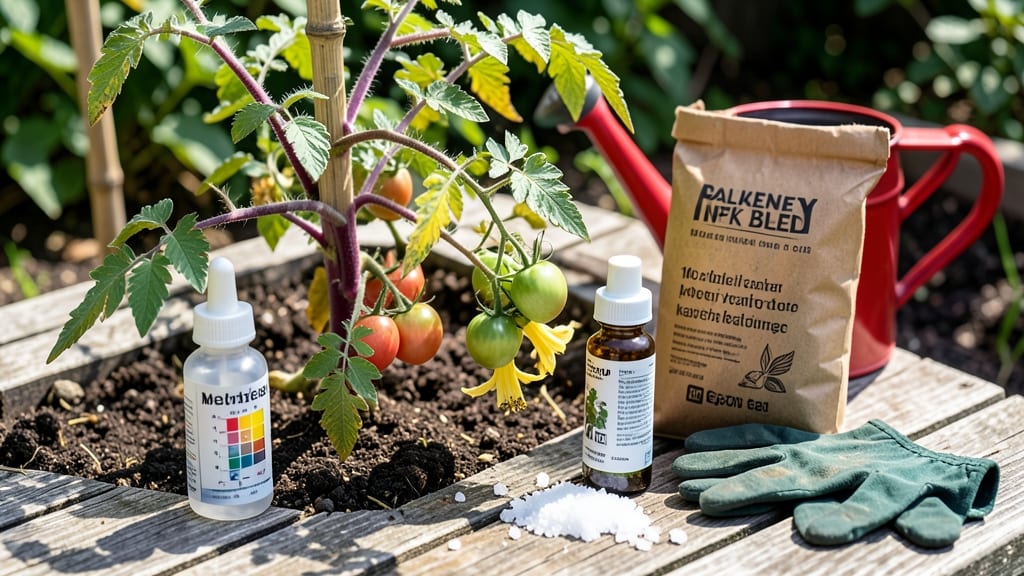
When your tomato plant stems turn purple, it’s not just a cosmetic issue—it’s a cry for help from your plants. 🌱 I’ve seen this happen after heavy rain, nutrient depletion, or even overwatering, and the good news is most cases have simple fixes that restore healthy green growth within days.
The purple hue usually means phosphorus deficiency, but it could also signal potassium issues or even environmental stress like temperature swings. Check the soil moisture first—dry soil can trigger the same symptoms.
If the leaves are also yellowing or curling, that’s your clue to test your soil or feed with a balanced fertilizer.
Within 3-5 days of addressing the root cause, you’ll see stems returning to their normal green. The key is acting fast—once the plant struggles too long, it can weaken permanently. I’ve saved plants from this exact issue by switching to a phosphorus-rich fertilizer and adjusting my watering schedule.
For stubborn cases, consider a soil test to rule out hidden deficiencies. Most gardeners fix this without expert help, but if the purple spreads despite your efforts, it might be time to consult your local extension office. The goal? Lush, productive plants that keep bearing fruit all season.
Root Causes Of Purple Stems
Understanding why your tomato plant stems turn purple starts with recognizing the underlying triggers—most of which are tied to nutrient imbalances, environmental stress, or genetic quirks. Below, we break down the science behind each cause, so you can diagnose and act fast.
💡 The most common culprit? A lack of phosphorus or potassium.
Tomato plants rely on three primary macronutrients—nitrogen (N), phosphorus (P), and potassium (K)—to thrive. When stems turn purple, it’s often a phosphorus deficiency, especially in younger plants or those in cooler soils.
Phosphorus is crucial for energy transfer and root development, and without enough of it, your plant signals distress by producing anthocyanins (the pigments that create that telltale purple hue).
But potassium isn’t far behind. This nutrient regulates water balance and disease resistance. A potassium deficiency can also trigger purple discoloration, particularly in older leaves and stems, as the plant struggles to maintain cellular integrity.
Actionable Fix:
- Test your soil (a simple DIY kit or lab test will reveal deficiencies).
- Apply a balanced fertilizer (look for a 5-10-10 or 10-20-20 NPK ratio) or a phosphorus-specific supplement like bone meal.
- Use compost or well-rotted manure to boost organic nutrients slowly.
🌡️ Extreme temperatures, poor drainage, or compacted soil can force your tomato plant into survival mode.
Tomatoes are warm-weather lovers, but when exposed to cold snaps, heatwaves, or drought, they may produce anthocyanins as a protective measure. This pigment acts like sunscreen, shielding the plant from UV damage or oxidative stress.
- Cold Stress: Purple stems are more common in spring or fall when nights are chilly. The plant’s metabolism slows, and it diverts energy to antioxidant production (hence the purple). - Waterlogged Soil: Poor drainage starves roots of oxygen, forcing the plant to adapt.
Compacted or clay-heavy soil worsens this by trapping excess moisture. - Heat Stress: While tomatoes love warmth, intense heat (above 90°F/32°C) can scorch stems, leading to purple tinges as the plant tries to cool itself down.
Actionable Fix:
- Mulch heavily (straw or wood chips) to regulate soil temperature and retain moisture.
- Water deeply but infrequently—aim for 1-2 inches per week, avoiding soggy soil.
- Use shade cloth in peak summer if your region hits extreme heat.
- Choose cold-hardy varieties (like ‘Stupice’ or ‘Mountain Merit’) if you’re in a short-season climate.
🌱 Some tomato varieties are born with purple stems—and that’s perfectly fine!
Not all purple stems are a red flag. Certain heirloom and hybrid varieties naturally produce purple or black stems due to high anthocyanin content. These pigments aren’t just for show—they boost disease resistance and protect against pests.
How to Tell If It’s Genetic:
- The plant is healthy overall (no wilting, yellowing, or stunted growth).
- The leaves and fruit remain vibrant, and the plant is producing normally.
- The purple appears evenly along the stem, not just in patches.
Actionable Fix:
- Research your tomato variety—check seed packets or plant tags for known traits.
- Embrace the natural look if the plant is thriving! These varieties often have enhanced flavor and resilience.
🐜 Sometimes, tiny pests or pathogens force your plant into a defensive state.
While not as common as nutrient issues, severe pest infestations (like aphids, spider mites, or whiteflies) or fungal infections (such as early blight) can cause stress-induced purple discoloration. These pests sap nutrients from the plant, leaving stems weak and discolored as the tomato fights back.
Actionable Fix:
- Inspect leaves and stems for holes, webbing, or sticky residue (signs of pests).
- Spray with neem oil or insecticidal soap for mild infestations.
- Remove and destroy infected foliage to prevent spread.
- Improve airflow around plants by pruning and spacing properly.
🚨 Yes, you can overdo it—and your tomato plant will tell you.
While most purple stems stem from deficiencies, excess nitrogen (especially from synthetic fertilizers) can also cause purple tinges in some varieties. Too much nitrogen burns roots and disrupts potassium uptake, leading to imbalanced growth and stress signals.
Actionable Fix:
- Flush the soil with water to leach out excess salts.
- Switch to a balanced or low-nitrogen fertilizer (like a 5-10-10).
- Avoid over-fertilizing—follow package instructions and never apply fertilizer to dry soil.
🔍 Purple stems alone aren’t always an emergency, but watch for these warning signs:
- Wilting or drooping (sign of root stress).
- Yellowing leaves (could indicate nitrogen deficiency or disease).
- Stunted growth or no fruit (a major red flag).
If your plant is otherwise healthy, the purple may just be a temporary stress response. But if you notice multiple symptoms, act quickly to restore balance!
Fixing Purple Tomato Stems Naturally
Now that you know why your tomato plant stems might be turning purple, it’s time to take action! The good news is that most causes have simple, effective fixes—many of which you can implement in just a few steps.
Below, we’ll break down practical solutions for each common cause, along with prevention tips to keep your plants thriving.
If your tomato stems are purple due to excess moisture or compacted soil, the fix starts with better drainage and a soil reset.
Step-by-Step Fix:
- 🔥 Stop Watering Immediately
- Let the soil dry out completely for 2–3 days to prevent root rot. Purple stems from overwatering often improve once the roots recover.
- 🍳 Improve Soil Drainage
- Mix in perlite, coarse sand, or compost (20–30%) to loosen heavy clay soil. This helps oxygen reach the roots.
- For potted tomatoes, ensure pots have drainage holes and use a well-draining potting mix.
- 👨🍳 Adjust Your Watering Routine
- Water deeply but infrequently—only when the top 1–2 inches of soil feel dry.
- Water at the base of the plant (not the leaves) to avoid fungal issues.
💡 Pro Tip: If your soil stays soggy for days, consider raising garden beds or planting in containers for better control.
Purple stems from phosphorus or potassium deficiencies need a targeted nutrient boost. Here’s how to fix it fast:
Step-by-Step Fix:
- 🔪 Take a Soil Test (Optional but Helpful)
- A simple DIY soil test kit ($10–$20) can confirm if phosphorus (P) or potassium (K) is lacking.
- 🥘 Apply a Balanced Fertilizer
- Use a 5-10-10 or 10-10-10 fertilizer (NPK ratio) for a quick phosphorus/potassium fix.
- For organic gardeners: Mix in bone meal (high in P) or greensand (high in K).
- 🌡️ Follow Up with Micronutrients
- Purple stems can also signal magnesium or calcium deficiency. Spray Epsom salt solution (1 tbsp/gallon) for magnesium or crushed eggshells for calcium.
- ⏰ Feed Regularly (But Not Too Much!)
- Fertilize every 2–3 weeks during the growing season, but reduce nitrogen (the first number) to avoid leafy growth at the expense of fruit.
💡 Pro Tip: If your plants are small or young, a fish emulsion (5-1-1) can provide a gentle nutrient boost without burning roots.
If hot or cold snaps are causing purple stems, you’ll need to protect your plants and stabilize conditions.
Step-by-Step Fix:
- 🛡️ Shield from Extreme Heat
- Use shade cloth (30–50%) during peak afternoon sun if temperatures exceed 90°F (32°C).
- Mulch heavily (2–3 inches of straw or wood chips) to keep roots cool.
- 🧊 Protect from Cold Snaps
- Cover plants with frost blankets or row covers if night temps drop below 50°F (10°C).
- Move potted tomatoes to a sheltered spot (like a garage or patio) if frost is forecasted.
- 💧 Increase Water in Heatwaves
- Deep watering early in the morning helps roots stay cool and absorbs heat.
💡 Pro Tip: Black plastic mulch can raise soil temps by 5–10°F, helping in cooler climates—but remove it if nights are too hot.
If aphids, spider mites, or fungal infections are to blame, act fast to prevent spread.
Step-by-Step Fix:
- 🔍 Identify the Culprit
- Check for sticky residue (aphids), webbing (spider mites), or powdery spots (fungus).
- 🚿 Blast Off Pests with Water
- Spray plants with a strong stream of water to dislodge aphids and mites.
- 🍳 Use Natural Pesticides
- Neem oil (1 tbsp/gallon) – Spray on leaves to deter pests and prevent fungal growth.
- Insecticidal soap – Effective against soft-bodied pests like aphids.
- 🌿 Remove Infected Plant Parts
- Prune and dispose of severely damaged leaves/stems (don’t compost them!).
💡 Pro Tip: Encourage beneficial insects like ladybugs and lacewings by planting marigolds or basil nearby.
Once your plants are back to normal, keep them healthy with these long-term strategies:
- 📊 Test Soil Before Planting – Aim for a pH of 6.0–6.8 (tomatoes thrive in slightly acidic soil).
- 💪 Use Slow-Release Fertilizer – Granular or pelletized fertilizer feeds plants steadily without spikes.
- 🌡️ Monitor Weather Alerts – Use a plant heat shield or row cover during sudden temperature swings.
- 🌱 Rotate Crops – Avoid planting tomatoes in the same spot yearly to prevent nutrient depletion.
- 🎯 Prune for Airflow – Remove crowded leaves to reduce humidity and prevent fungal diseases.
Final Thought: Purple stems are usually a warning sign—not a death sentence. With the right adjustments, your tomato plants will bounce back stronger, producing juicier, healthier fruit in no time! 🍅💪
Frequently asked questions
Can purple tomato stems mean my plant is dying?
Not necessarily! Purple stems are usually a stress signal rather than a death sentence. If your plant is otherwise healthy (green leaves, normal growth), it’s likely just a temporary nutrient or environmental issue. However, if you also see wilting, yellowing, or no new growth, act fast—those are signs of deeper problems.
How quickly should I see results after fixing the issue?
With proper care, you should notice improvement within 3-5 days. Nutrient deficiencies often show recovery first, while environmental fixes (like adjusting watering) may take 1-2 weeks to fully restore normal stem color. If no changes occur after 2 weeks, reconsider your approach or test your soil.
Is it safe to eat tomatoes from a plant with purple stems?
Yes, the fruit itself is usually unaffected by stem discoloration. The purple stems typically indicate stress in the plant’s vascular system, not the fruit production. However, if the purple is accompanied by leaf spots, wilting, or poor fruit quality, those could signal deeper issues worth addressing before harvesting.
Can I use coffee grounds to fix purple stems?
Coffee grounds can help in some cases, but they’re not a magic fix. They’re slightly acidic and add potassium, which might benefit potassium-deficient plants. However, they’re not a reliable phosphorus source. For best results, mix them into the soil as a supplement to your main fertilizer plan.
Should I prune stems that turn purple?
Only prune severely affected stems if they’re more than 30% purple or showing other disease symptoms. Healthy purple stems (from genetic traits or mild stress) don’t need removal. Focus on fixing the root cause first—pruning alone won’t solve nutrient deficiencies or environmental issues.