
Vegetables
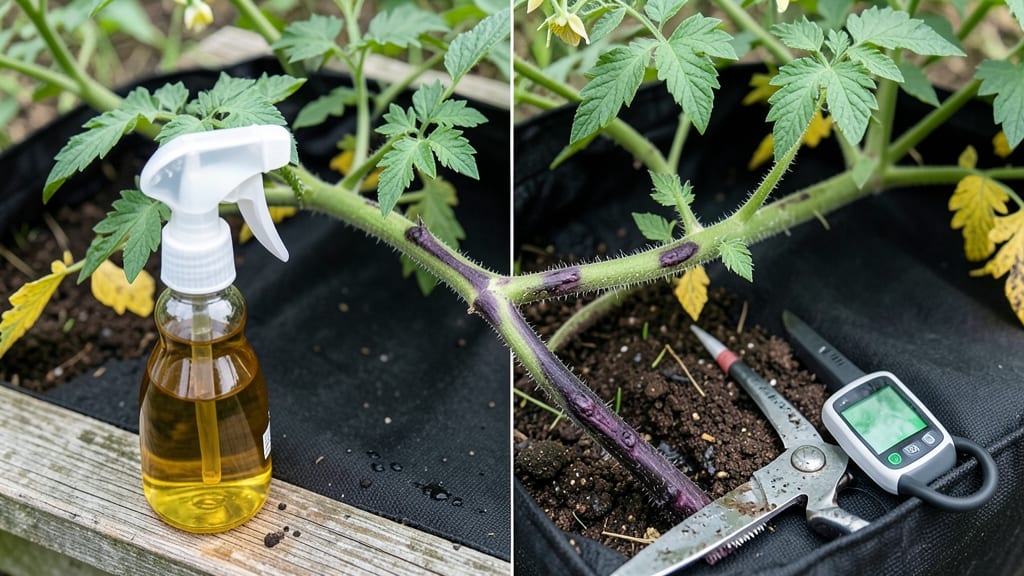
When your tomato 🍅 stems turn purple instead of green, it’s a red flag for a problem that could ruin your harvest if ignored.
Picture this: you’ve spent weeks nurturing your plants, only to notice those telltale purple streaks creeping up the stems. Before you panic, know this—early action can still save your crop. Whether it’s a nutrient deficiency or a sneaky fungal infection, understanding the cause is the first step to fixing it.
Most gardeners assume purple stems mean the plant is dying, but that’s not always true. The key is spotting the early signs—wilting leaves, stunted growth, or even tiny spots—and acting fast. Without intervention, the issue spreads, and suddenly, your hard work is at risk.
In this guide, I’ll walk you through how to diagnose the problem, whether it’s a phosphorus deficiency or a fungal infection, and share the most effective treatments to bring your tomato plants back to health.
3 Early signs of purple stem in tomatoes & what they mean
When I first noticed purple discoloration creeping up the stems of my heirloom tomatoes, I assumed it was just a quirky growth phase. But after a few days, the stems turned a deep, almost eggplant-like purple, and the leaves started wilting.
This isn’t normal—healthy tomato stems should stay firm and green. The purple hue is your plant’s distress signal, often pointing to three critical issues: fungal infections, nutrient deficiencies, or environmental stress. Acting fast can mean the difference between saving your crop and losing it entirely.
Not all purple stems are created equal. The root cause determines how you should respond. For example, a phosphorus deficiency might cause purple stems but won’t kill your plant quickly like purple stem disease (caused by the fungus Alternaria solani).
Here’s how to tell them apart—and what each sign means for your tomato’s future.
Comparison Table: Purple Stem Causes in Tomatoes
| Cause | Early Signs | Late-Stage Symptoms | Affected Plant Parts | Urgency Level |
|---|---|---|---|---|
| Purple Stem Disease (Alternaria solani) | Purple or black spots on stems, slight wilting, yellowing leaves | Stems rot and collapse, leaves crisp and die, fruit drops prematurely | Stems, leaves, fruit stems | CRITICAL (Act within 3 days) |
| Phosphorus Deficiency | Purple stems (especially younger growth), dark green leaves with purple undersides | Stunted growth, small leaves, reduced flowering/fruiting | Stems, leaf veins, petioles | Moderate (Treat within 1 week) |
| Magnesium Deficiency | Interveinal purple on older leaves, yellowing between veins | Leaves crisp and die, stems may weaken, fruit quality declines | Leaves, stem tips, fruit | Moderate (Treat within 1 week) |
| Environmental Stress (Cold, Drought, Overwatering) | Pale purple or grayish stems, wilting, leaf curl | Stems soften or crack, root rot (if overwatered), stunted growth | Stems, roots, leaf margins | High (Adjust conditions immediately) |
The first sign I noticed on my cherry tomato plants was a faint purple blush on the stems near the soil line. This is often where purple stem disease starts—especially if your garden stays damp or humid.
The fungus thrives in wet conditions, so if you’ve had recent rain or overhead watering, this could be your culprit. Unlike nutrient deficiencies, which affect the whole plant gradually, fungal infections spread rapidly if left untreated.
If the purple appears on younger stems and leaves but the rest of the plant looks healthy, you’re likely dealing with a phosphorus deficiency.
Tomatoes need phosphorus for root and flower development, and when they’re starved, the plant pulls nutrients from stems and leaves, causing that telltale purple hue. Check your soil pH—if it’s above 7.0, phosphorus becomes even less available to your plants.
Here’s a quick trick to test for deficiencies: gently scratch the stem surface with your fingernail. If the purple layer is superficial and peels away, it’s likely a deficiency.
But if the stem feels soft or mushy beneath the discoloration, you’re dealing with a fungal issue that’s already compromising plant structure. In this case, time is of the essence—fungal infections can kill a tomato plant in 5-7 days if not addressed.
Environmental stressors often cause milder purple hues compared to the deep, violet-black tones of fungal infections. For example, cold snaps can trigger temporary purpling as the plant struggles to produce chlorophyll. Similarly, overwatering or compacted soil restricts root oxygen, leading to purple stems.
The key difference? Stress-related purple usually fades when conditions improve, whereas fungal or deficiency-related discoloration worsens without treatment.
One mistake I made early on
How to diagnose purple stem disease vs. nutrient deficiency (step-by-step guide)
When you spot purple stems on your tomato plants, your first move should be diagnosing the root cause before treating. Purple stems can indicate purple stem disease (a fungal infection) or nutrient deficiencies like phosphorus or magnesium. Here’s how to tell them apart with simple checks.
Start by examining the leaf undersides and stem texture. Purple stem disease often shows dark spots or moldy growth on stems, while deficiencies cause yellowing leaves or stunted growth. Grab a small shovel and dig into the soil—its health will give you clues too.
🔍 STYLED LIST: DIAGNOSIS CHECKLIST
-
1. Check Stem Texture
Purple stem disease: Soft, mushy when pressed
Deficiency: Firm but discolored -
2. Inspect Leaf Undersides
Disease: Dark spots/mold
Deficiency: Yellowing edges -
3. Test Soil pH
Ideal: 6.0–6.8
Low pH (<5.5) = Aluminum toxicity (mimics deficiency) -
4. Observe Growth Pattern
Disease: Sudden wilting
Deficiency: Slow, stunted growth -
5. Check for Fungal Spore Clusters
Disease: White/pink fuzz on stems
Deficiency: No visible spores
Next, ask yourself these quick questions to narrow it down:
- Are the youngest leaves turning yellow first? Likely a magnesium deficiency.
- Do stems feel slimy or decayed? That’s purple stem disease.
- Has the weather been hot and humid recently? Fungal risks spike then.
For a definitive answer, take a soil sample to your local extension office. They’ll test for phosphorus (P) or potassium (K) levels—common culprits for purple stems. If it’s a deficiency, you’ll need organic amendments like bone meal or wood ash.
Remember: Purple stem disease spreads fast, so isolate infected plants immediately. If it’s a deficiency, focus on balanced fertilization and proper watering to prevent recurrence next season.
With these steps, you’ll diagnose the issue in under 10 minutes—giving your tomatoes the best shot at recovery. 🌱