
Pests and Diseases
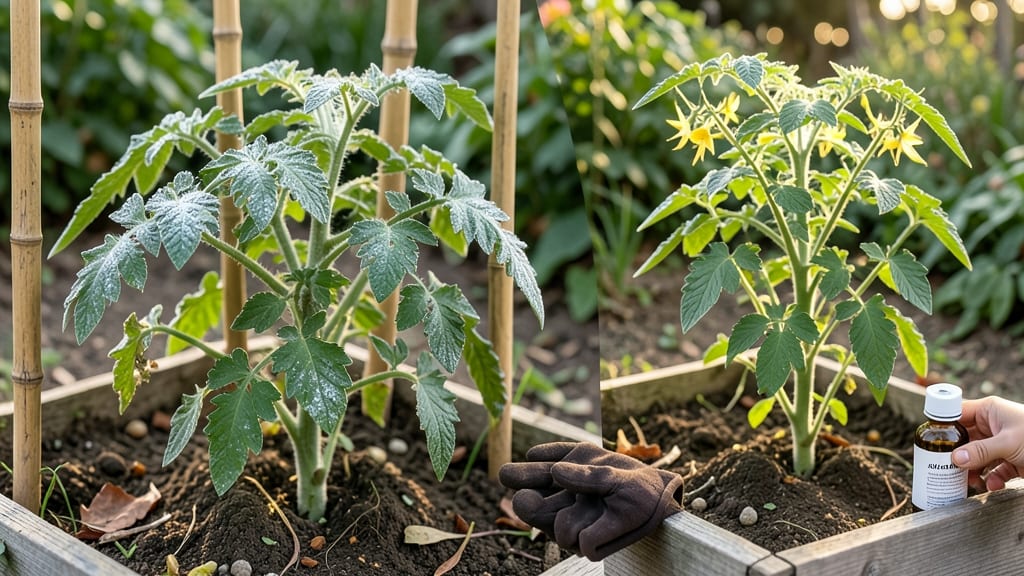
That white fuzz on your tomato stems isn’t just unsightly—it’s a fungal threat that can cripple your harvest if ignored. 🌱 I’ve battled this exact problem in my garden, and what starts as a few specks can turn into a full-blown infection within days.
The good news? You can stop it before it spreads, and I’ll show you exactly how.
Most of the time, this fuzz is powdery mildew or downy mildew, both of which thrive in warm, humid conditions. You’ll notice it first on the undersides of leaves or along stems, looking like dust or cobwebs.
The key to saving your plants is acting fast—once the fungus takes hold, it’s harder to reverse the damage. But don’t panic: with the right steps, you can still recover.
By the end of this, you’ll know how to identify the problem, treat it organically (or with chemicals if needed), and prevent it from coming back next season. Your tomatoes will bounce back stronger, and you’ll avoid the heartbreak of losing your entire crop to something that’s easily preventable.
Whether you’re dealing with a small patch or a full-blown outbreak, the solutions here work for both indoor and outdoor plants. Let’s get your garden back on track—before the fuzz spreads any further.
Why it happens
When you spot that unsettling white fuzz creeping along your tomato stems, it’s usually a sign of fungal invaders taking hold. These microscopic organisms thrive under specific conditions, turning your once-healthy plants into a buffet.
Let’s break down the key reasons this happens—so you can starve the problem before it spreads.
🌡️ High Humidity and Poor Airflow
Fungi love moisture, and tomato plants provide the perfect damp playground. When humidity levels rise above 70%, fungal spores—like those from powdery mildew or gray mold—germinate rapidly. Poor airflow traps moisture near stems and leaves, creating a perfect storm for fungal growth.
Even morning dew or overhead watering can leave stems damp for too long, giving fungi the green light to colonize.
Actionable fix: Space plants 18–24 inches apart to improve airflow. Use a fan on low setting near plants to circulate air, especially in greenhouses or crowded gardens. Water in the early morning so foliage dries by evening.
🍄 Overcrowded or Stressed Plants
Tomatoes that are nutrient-deficient, waterlogged, or physically stressed (from pests, transplant shock, or poor soil) have weakened defenses. Fungi exploit this vulnerability by latching onto stems and leaves, where they can spread unchecked. Overcrowding also limits sunlight penetration, slowing drying and encouraging fungal persistence.
Actionable fix:
- Test soil pH (aim for 6.0–6.8) and amend with compost or balanced fertilizer if needed.
- Prune lower leaves to 6–12 inches above the soil to reduce humidity at stem level.
- Thin seedlings or relocate plants if they’re too close together.
🌱 Contaminated Soil or Tools
Fungal spores can lurk in old soil, infested mulch, or even on gardening tools for years. If your tomato plants are growing in soil previously infected with powdery mildew or sclerotinia (white mold), spores may already be present, waiting for the right conditions to activate.
Tools like pruners or trellises can also transfer spores from plant to plant.
Actionable fix:
- Sterilize tools with 70% rubbing alcohol or a 10% bleach solution before and after use.
- Replace old mulch or topsoil with sterilized or fresh potting mix.
- Rotate planting locations yearly to avoid reinfection.
🌦️ Unpredictable Weather Patterns
Sudden shifts—like cool nights followed by warm days or prolonged rain—create ideal fungal conditions. For example, powdery mildew thrives when temperatures dip to 60–80°F with high humidity, while sclerotinia (white mold) strikes in cool, wet springs. Even conditional stress (like heatwaves) can weaken plants, making them susceptible.
Actionable fix:
- Choose disease-resistant tomato varieties (e.g., ‘Mountain Merit’ for mildew resistance).
- Use row covers during rainy periods to protect plants.
- Monitor weather forecasts and adjust watering if humidity exceeds 70%.
🍅 Poor Sanitation After Harvest
Leaving infected plant debris in the garden or reusing containers with residual spores sets the stage for repeat infections. Even tomato suckers or pruned stems left on the ground can harbor fungi, which then reinfect new growth. Greenhouses and high-tunnel environments are especially risky because they trap spores and moisture.
Actionable fix:
- Remove all plant debris at season’s end and compost it separately (or dispose of it).
- Clean greenhouse surfaces with hydrogen peroxide (3%) or baking soda spray (1 tbsp per gallon of water).
- Avoid planting tomatoes or nightshades (like peppers) in the same spot for 3–4 years.
Quick Fixes for Fuzzy Tomato Stems
Now that you know what’s causing that unsightly white fuzz on your tomato stems—whether it’s powdery mildew, downy mildew, or even mold—it’s time to act! The good news? Most of these issues are treatable with simple, garden-friendly solutions.
Below, we’ve broken down cause-specific fixes to help you restore your tomato plants to their healthy, productive selves. Plus, we’ll share prevention tips to keep future crops fuzzy-free.
Powdery mildew thrives in dry, warm conditions, leaving a chalky white residue on leaves and stems. Here’s how to tackle it:
🔥 Immediate Action Steps
- Prune Infected Areas
- Use sterilized pruning shears (wipe with rubbing alcohol between cuts) to remove heavily infected leaves and stems. 🔪
- Dispose of pruned material in the trash—not the compost—to prevent reinfection.
- Neem Oil or Baking Soda Spray (🌿 Organic Options) - Mix: 1 tbsp baking soda + 1 quart water + a few drops of dish soap (helps it stick). - Spray: Coat the undersides of leaves (where spores hide) and stems thoroughly.
Repeat every 7–10 days until the fuzz disappears. - Alternative: Neem oil spray (1 tsp neem oil + 1 quart water + a drop of soap). Spray in the early morning or evening to avoid burning leaves.
- Improve Air Circulation
- Space plants 18–24 inches apart to reduce humidity buildup.
- Use a fan on low speed near the plants to keep air moving. ✨
💡 Prevention Tips for Powdery Mildew
- Water at the base (not overhead) to keep foliage dry.
- Plant resistant varieties like ‘Celebrity’ or ‘Mountain Merit’ tomatoes.
- Mulch heavily to retain moisture in the soil (not on leaves).
Downy mildew loves wet conditions, appearing as fuzzy gray or white patches (often on leaf undersides). Act fast—this one spreads quickly!
🍳 Step-by-Step Treatment
- Remove and Destroy Affected Leaves
- Snip off yellowing or spotted leaves immediately. Don’t let them touch healthy plants.
- Copper Fungicide Spray (🛡️ Chemical-Free Option)
- Use a store-bought copper fungicide (like Bonide Copper Fungicide) or make a homemade version:
- Mix: 1 tsp copper sulfate + 1 gallon water.
- Spray every 5–7 days for 2–3 weeks.
- Warning: Avoid spraying in direct sunlight—it can scorch leaves.
- Use a store-bought copper fungicide (like Bonide Copper Fungicide) or make a homemade version:
- Fix Overwatering Issues
- Water deeply but infrequently (1–1.5 inches per week).
- Ensure proper drainage—downy mildew thrives in soggy soil. Add compost to improve soil structure.
🌡️ Prevention for Downy Mildew
- Rotate crops—don’t plant tomatoes in the same spot yearly.
- Use drip irrigation instead of sprinklers to keep leaves dry.
- Plant in full sun (6+ hours/day) to reduce humidity around plants.
If the white fuzz is grayish and fuzzy (like cotton), it might be Botrytis mold, common in crowded or damp gardens.
👨🍳 Emergency Treatment Plan
- Cut Out Infected Growth
- Remove rotting stems, flowers, or fruit with sterilized tools. 🪒
- Hydrogen Peroxide Spray (🧪 Safe & Effective)
- Mix: 1 tbsp 3% hydrogen peroxide + 1 quart water.
- Spray on affected areas (test a small leaf first for sensitivity).
- Repeat every 3–4 days until symptoms fade.
- Sanitize Your Garden Tools
- Soak pruners in bleach water (1:10 ratio) for 10 minutes between uses.
✨ Long-Term Prevention
- Space plants 2–3 feet apart to improve airflow.
- Avoid overhead watering—use a watering wand at the base.
- Remove old plant debris at the end of the season to eliminate spores.
No matter the cause, these universal strategies will help protect your plants:
- Rotate crops annually to prevent soil-borne diseases.
- Use row covers early in the season to block spores.
- Harvest promptly—ripe fruit left on the vine attracts pests and disease.
- Monitor humidity—aim for 40–60% with a hygrometer if needed.
Final Thought: 🎯 The key to beating white fuzz is early detection + consistent care. Once you spot the first signs, act fast, and your tomato plants will bounce back stronger than ever! 🍅💪
Frequently asked questions
Is white fuzz on tomato stems always a fungal infection?
Not always—while most cases are fungal (like powdery mildew or gray mold), spider mites can also create fine webbing that looks like fuzz. Check for tiny moving dots on leaves first. If no movement, it’s likely fungal. Spider mite fuzz is usually silk-like and appears in dry conditions, while fungal fuzz feels powdery or cottony.
Can I still eat tomatoes from plants with white fuzz?
Only if the fuzz hasn’t spread to the fruit itself. Remove any infected leaves/stems, but tomatoes already on the vine are generally safe to eat—just wash thoroughly. The real risk is fungal spores contaminating new growth. If you see fuzz on blossoms or green tomatoes, those should be removed immediately to prevent spread.
How long does it take for homemade sprays to work?
Most organic sprays (like baking soda or neem oil) take 7–14 days to show visible improvement when applied consistently. For powdery mildew, you’ll need to spray every 7–10 days until all signs disappear. Downy mildew may require more frequent treatments (every 5–7 days) because it spreads faster in wet conditions.
Will commercial fungicides kill my tomato plants?
No, when used correctly! Most fungicides are designed to be plant-safe if applied properly. Always follow label instructions—especially about mixing ratios and protective gear. Overuse can harm beneficial insects, so alternate with organic sprays when possible. Copper-based fungicides are particularly gentle for edible plants when used at recommended concentrations.
Can I save a tomato plant completely covered in white fuzz?
It depends on how severe the infection is. For mild cases (less than 30% coverage), aggressive pruning and treatment can save the plant. For severe cases, the plant may be too compromised to recover. In this situation, focus on saving nearby healthy plants and dispose of the worst-infected ones in sealed bags (not compost).