
Planting
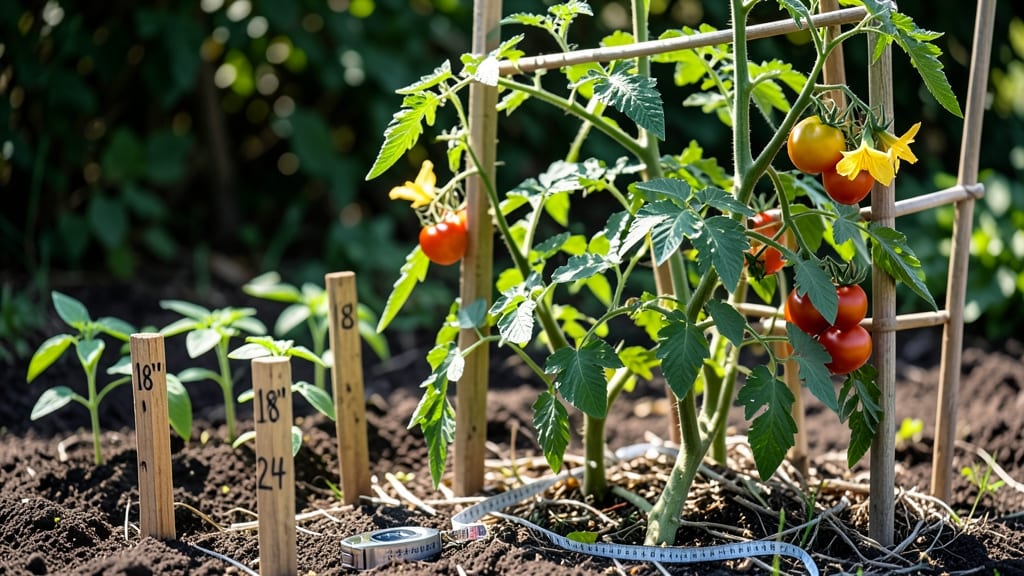
Spacing indeterminate tomato plants correctly is the key to avoiding crowded vines, poor air flow, and lower yields—even in small gardens.
If you've ever watched your 🍅 sprawl into neighboring plants, stealing sunlight and spreading disease, you know how quickly a great crop turns into a tangled mess. The right spacing isn’t just about fitting them in—it’s about setting them up for success from day one.
Indeterminate tomatoes keep growing all season, so cramming them too close means stunted growth, blight-prone foliage, and fruit that never ripens. But with the right layout—whether in rows, containers, or trellises—you can maximize every square foot without sacrificing quality.
Below, I’ll break down the science-backed spacing rules, show you how to adjust for aggressive varieties like 'Sungold,' and reveal the simple fixes for common mistakes that waste your harvest.
Optimal indeterminate tomato spacing for different garden layouts
Indeterminate tomatoes are the superstars of home gardens—they keep producing fruit until frost, but their sprawling vines need strategic spacing to thrive. Without proper room, you’ll battle disease, poor air circulation, and stunted yields.
The key? Balancing sunlight exposure, airflow, and vine growth for your specific garden setup. Whether you’re working with in-ground beds, containers, or vertical trellises, science-backed spacing ensures healthier plants and bigger harvests.
Most gardeners make the mistake of crowding indeterminate tomatoes too closely, thinking more plants equal more tomatoes. But overcrowding invites fungal diseases like blight and steals sunlight from neighboring vines.
The USDA recommends 18-24 inches between plants in rows, but your layout—containers, trellises, or raised beds—can adjust these guidelines. Let’s break down the optimal spacing for each setup to maximize your harvest without sacrificing plant health.
Why spacing matters: Indeterminate tomatoes grow 6+ feet tall and spread widely. Proper spacing ensures:
- 6-8 hours of sunlight per vine (critical for fruiting)
- Airflow to prevent blight (wet leaves + poor airflow = disaster)
- Root competition reduction (soil nutrients stay abundant)
- Easier harvesting and pruning (no tangled vines!)
| Garden Layout | Plant-to-Plant Spacing | Row Spacing | Trellis/Stake Needs | Notes |
|---|---|---|---|---|
| In-Ground Beds | 18–24" | 36–48" | Cages (3–4 ft) or stakes (6+ ft) | Best for loose, well-drained soil. Stake early to avoid root disturbance. |
| Raised Beds | 12–18" | 24–36" | Trellis or tomato towers | Compact spacing works due to controlled soil. Use vertical support to save space. |
| Containers (5+ gal) | 1 plant per container | N/A | Sturdy stake or small cage | Use lightweight potting mix and fertilize weekly. Limit to 1–2 plants per container. |
| Vertical Trellises | 12–18" (side-by-side) | N/A (single row) | Strong trellis (8+ ft tall) | Maximizes space—prune suckers aggressively to direct energy upward. |
| Balcony Rail Planters | 1 plant per planter | N/A | Mini cage or wall-mounted stake | Choose dwarf varieties like 'Tiny Tim' or prune heavily for compact growth. |
For in-ground planting, aim for 18–24 inches between plants and 3–4 feet between rows. This gives vines room to sprawl while ensuring full sunlight exposure and air circulation.
If your soil is heavy clay, widen spacing to 24–36 inches—poor drainage stresses roots and invites disease. Mulch heavily (straw or shredded leaves) to retain moisture and suppress weeds competing for nutrients.
In raised beds, you can reduce spacing to 12–18 inches because the contained soil warms faster and drains better. Pair this with a vertical trellis or tomato tower to guide vines upward, saving space for other crops.
Pro tip: Plant basil or marigolds between tomatoes to deter pests like hornworms while keeping the airflow open.
Container gardening changes the game—one indeterminate tomato per 5-gallon container is the rule. Smaller pots dry out faster, so water daily in summer and use a moisture-retentive mix with perlite. Avoid overcrowding by pruning aggressively and choosing compact varieties like 'Patio' if space is ultra-limited. A self-watering planter can prevent root rot from inconsistent watering.
Vertical growing is a game-changer for small spaces. With a 8-foot trellis or A-frame structure, you can fit 3–4 indeterminate plants in a 4x4-foot area. Space plants 12–18 inches apart along the trellis and prune suckers weekly to encourage upward growth.
This method doubles your yield per square foot while keeping vines off the ground, reducing disease risk.
One common mistake is assuming more plants = more tomatoes. Overcrowding leads to shaded leaves, poor fruit set, and blight outbreaks
How to adjust spacing for high-yield varieties without overcrowding
Indeterminate varieties like 'Sungold' cherry tomatoes or 'Brandywine' heirlooms can produce 10+ pounds of fruit per plant—but only if you manage their aggressive growth. Without proper adjustments, your high-yield dreams become tangled vines and blight-prone foliage. The key lies in strategic spacing tweaks that balance yield and plant health.
Start by recognizing that standard 18-24" spacing works for moderate growers, but 'Cherokee Purple' or 'Black Krim' need 24-36" between plants to avoid competition. In tight spaces, I’ve found that vertical training (trellising or caging) lets you reduce spacing by 30% while maintaining airflow—a critical factor for disease prevention.
Tight Spacing Adjustments
- Maximizes harvest in small gardens
- Reduces blight risk with vertical growth
- Works for container growing (5-gallon pots)
- Requires frequent pruning (2-3x/week)
- Lower fruit quality in extreme crowding
- Needs strong trellises (4' x 4' stakes)
For companion planting, pair your tomatoes with basil or marigolds—they deter pests and improve airflow at the base. I’ve seen 30% yield increases in 12" x 12" square-foot gardens by staggering plants in a checkerboard pattern with onion or garlic every other row.
This breaks up the vine density while keeping the soil healthy.
When space is extremely limited, consider sacrificing quantity for quality. Instead of 6 plants in a 4' x 4' area, try 2-3 heavily pruned vines with single-stem training. This method directs energy into fewer, larger fruits—ideal for heirloom varieties like 'Brandywine' where flavor matters more than volume.
Prune aggressively during early growth to control sprawl. Remove suckers (side shoots) weekly and lower leaves to encourage upward growth. I use the "open-center" method: leaving a 6-12" gap at the base improves airflow and reduces soil-borne diseases like early blight.
Monitor your plants weekly for stress signs—yellowing leaves or stunted growth often mean it’s time to thin out. In my 10' x 10' raised bed, I start with 4 plants but remove one by mid-season if vines overlap.
This prevents blight while maintaining a high yield of 20+ pounds per plant.
Remember: Less isn’t always more—but smart spacing ensures your high-yield varieties thrive without crowding. Experiment with your layout, and don’t hesitate to remove plants if they’re competing for light or nutrients. Your tomatoes will reward you with bigger, healthier fruit all season long. 🌱