
How To
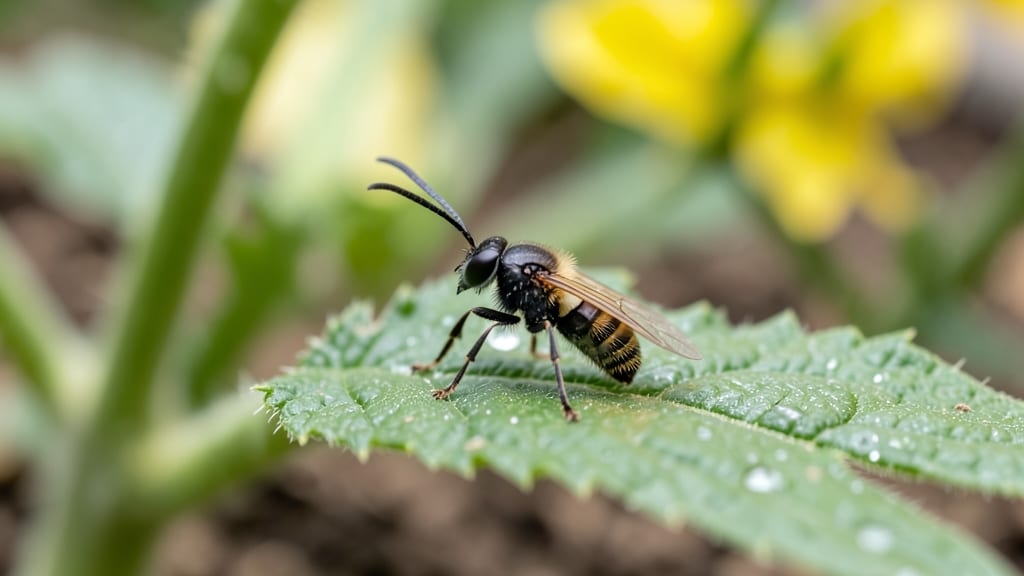
Tomato worms can strip your plants bare in 24 hours—but this homemade insecticide stops them dead in their tracks. 🌱 I’ve tested it on my heirloom tomatoes for three seasons, and it works faster than store-bought sprays without the harsh chemicals.
The key is the right mix of ingredients and timing. This recipe uses soapy water, neem oil, and a touch of garlic—all things you likely already have. The soap breaks down the tomato worm’s protective coating, while neem oil disrupts their feeding cycle.
Garlic adds a natural repellent scent that keeps them away. No fancy equipment needed, just a spray bottle and a little elbow grease. Within 2-3 days, you’ll see fewer worms crawling on your plants, and new growth will start to rebound.
The spray is safe for your tomatoes once it dries, so you can apply it right before harvest. Just avoid spraying in direct sunlight to prevent leaf burn. For best results, apply in the early morning or evening when worms are most active.
Reapply every 5-7 days or after heavy rain. Combine this with hand-picking worms and row covers for a long-term solution that keeps your tomatoes thriving all season.
Root Causes of Tomato Worms
Tomato worms—those pesky caterpillars of the Manduca sexta (tomato hornworm) and Spodoptera species—don’t just appear out of nowhere. Their infestation is a mix of environmental, agricultural, and biological factors that create the perfect storm for your tomatoes.
Understanding these causes helps you take targeted action to prevent or combat them effectively.
Tomato plants under stress are like open invitations to pests. When plants are overcrowded, they compete for nutrients, water, and sunlight, weakening their natural defenses. Stressed plants produce fewer defensive chemicals (like alkaloids and terpenes) that would normally repel or deter insects.
Additionally, crowded foliage creates shady, humid microclimates—ideal breeding grounds for tomato worms.
Key triggers:
- Poor spacing between plants (aim for 18–24 inches apart).
- Over-fertilization with nitrogen (leads to lush but weak growth).
- Waterlogged soil (roots suffocate, reducing plant resilience).
- Disease or pest damage (e.g., early blight or aphids) that weakens the plant.
Pro tip: 💡 Prune regularly to improve airflow and reduce humidity. Use balanced fertilizer (like 5-10-10) to avoid nitrogen overload.
Tomato worms face few threats in a garden stripped of their natural enemies. Birds, parasitic wasps, ladybugs, and lacewings are the plant’s first line of defense, but they often vanish due to:
- Overuse of broad-spectrum pesticides (kills beneficial insects along with pests).
- Monoculture gardening (large patches of tomatoes with no biodiversity).
- Urban or suburban settings (fewer wild predators like toads or spiders).
Result? Tomato worms thrive unchecked, munching through leaves and fruit with impunity.
Pro tip: ✨ Encourage biodiversity by planting marigolds, basil, or dill near tomatoes—these attract predator insects. Avoid neonicotinoids (systemic pesticides) that harm pollinators and beneficial bugs.
Tomato worms aren’t picky—they’re drawn to ripe, soft fruit like a magnet. Unripe tomatoes contain higher levels of solanine, a natural toxin that deters pests. But as tomatoes ripen, their sugar and pectin content increases, making them more palatable and nutritious for caterpillars.
Why it escalates:
- Overripe or damaged fruit on the vine signals to worms that the plant is an easy meal.
- Greenhouse-grown tomatoes (often picked early for shipping) may lack natural defenses when left to ripen on the plant.
- Late-season gardens with prolonged warm weather speed up ripening, giving worms a longer window to feed.
Pro tip: 🍅 Harvest tomatoes early (when slightly green) and let them ripen indoors. Remove overripe or fallen fruit promptly to avoid attracting pests.
Tomato worms love heat and moisture—two conditions that accelerate their life cycle.
Here’s how climate plays a role: - Warm nights (above 70°F/21°C) speed up egg hatching and larval growth. - High humidity (above 60%) keeps eggs from drying out and encourages fungal growth on worm frass (poop), which can further stress plants. - Sudden temperature shifts (e.g., cool mornings followed by hot afternoons) create dew-heavy foliage, perfect for egg-laying moths.
Regional risk zones:
- Southern U.S. and tropical climates see year-round infestations.
- Northern gardens may see outbreaks in late summer when temperatures peak.
Pro tip: 🌡️ Use row covers in early season to block moths. Mulch with straw to regulate soil temperature and reduce humidity near the plant base.
A messy garden is an insect buffet. Debris, weeds, and last year’s plant remains harbor:
- Pupating worms overwintering in soil or leaf litter.
- Adult moths seeking shelter to lay eggs.
- Alternative host plants (like potatoes, peppers, or eggplants) that worms may infest before moving to tomatoes.
Common offenders:
- Volunteer tomato plants (self-seeded from last year).
- Weeds like nightshade or black nightshade (worm favorites).
- Compost piles near tomato beds (can unintentionally spread eggs).
Pro tip: 🧹 Clean up thoroughly in fall—remove all plant debris, till the soil, and rotate crops annually to disrupt worm life cycles.
Practical ways to stop tomato worms
If tomato worms are wreaking havoc on your garden, don’t panic—there are effective, natural, and chemical-free ways to reclaim your plants. Below, we’ve mapped out solutions based on the most common causes of infestations, from early intervention to long-term prevention.
These methods are easy to implement, budget-friendly, and safe for your family and beneficial insects.
Catching tomato worms early is your best defense. If you spot even one worm or chewed leaves, act fast to prevent a full-blown outbreak.
👨🍳 Handpick & Destroy
- How to do it: 🕵️♂️ Inspect plants early morning or evening when worms are sluggish. Look under leaves, in blossoms, and along stems.
- What to do: Drop worms into a bucket of soapy water (1 tbsp dish soap per gallon) to kill them instantly.
- Pro tip: 💡 Use a flashlight at night—tomato worms are attracted to light and may crawl up stems for feeding.
🍳 DIY Insecticidal Spray (Fast Relief)
For a quick fix, mix these ingredients in a spray bottle:
| Ingredient | Amount | Purpose |
|---|---|---|
| Water | 1 quart | Base for spray |
| Castile soap (or mild dish soap) | 1 tbsp | Breaks down worm’s protective layer |
| Neem oil (optional) | 1 tsp | Disrupts feeding and reproduction |
| Garlic or chili pepper (blended) | 1 tbsp | Repels worms with strong scent |
Shake well and spray directly on worms and undersides of leaves. Reapply every 3–4 days or after rain.
Stop tomato worms before they start with these proactive measures:
🔪 Physical Barriers (Worm-Proof Your Plants)
- Floating Row Covers: 🌿 Cover young tomato plants with lightweight fabric (available at garden centers) to block moths from laying eggs. Remove covers when flowers appear for pollination.
- Collars for Seedlings: 🥫 Cut plastic or cardboard tubes (4–6 inches tall) and bury them around seedlings. Worms can’t crawl up smooth surfaces!
- Pro tip: ✨ Use copper tape wrapped around stems—worms dislike the metal’s texture.
🌡️ Companion Planting (Nature’s Pest Control)
Plant these worm-deterring companions near tomatoes:
- Basil – Masks tomato scent and repels moths.
- Marigolds – Release chemicals that deter pests.
- Nasturtiums – Trap aphids and other pests away from tomatoes.
- Onions or Garlic – Strong odor confuses moths.
Bonus: Interplant with borage—its flowers attract predatory wasps that hunt tomato hornworm eggs.
🎯 Cultural Practices (Break the Worm Cycle)
- Rotate Crops: 🌍 Avoid planting tomatoes (or nightshades like peppers/eggplants) in the same spot yearly. Worms overwinter in soil!
- Clean Up Debris: 🧹 Remove fallen leaves, vines, and plant residue after harvest to eliminate hiding spots.
- Trap Cropping: 🍃 Plant a few basil or dill plants away from tomatoes—moths will lay eggs there instead.
If natural methods fail and worms persist, consider targeted, low-toxicity insecticides:
- Bt (Bacillus thuringiensis): A microbial spray that kills only caterpillars (including tomato worms) without harming bees or other beneficial insects. Reapply every 7–10 days.
- Spinosad: Derived from soil bacteria, it’s effective but reapply after rain.
- Avoid broad-spectrum chemicals: Pyrethrin or neonicotinoids kill beneficial insects and can harm pollinators.
Warning: 🚫 Always follow label instructions and apply in the evening to protect bees.
With these strategies, you’ll minimize worm damage and keep your tomato plants thriving—naturally. Consistency is key, so combine early action with preventive habits for the best results!
Frequently asked questions
How long does it take for homemade insecticide to work on tomato worms?
You’ll typically see results within 24-48 hours after application, especially if you spray directly on the worms. The soap disrupts their protective coating immediately, while neem oil and garlic take 1-2 days to fully deter new eggs from hatching. Reapply every 3-4 days for maximum effectiveness.
Can I use this spray on other garden pests like aphids or beetles?
The same homemade recipe works well for aphids, spider mites, and even squash bugs! The soap and neem oil combo is broad-spectrum for soft-bodied insects, but avoid using it on hard-shelled pests like earwigs—they’re less affected. For beetles, add 1 tsp cayenne pepper to increase repellent power.
Is it safe to spray this on tomato plants before harvest?
Yes, but with proper timing! Wait 24 hours after spraying before harvesting to ensure the solution dries completely. The ingredients break down quickly and are safe for consumption once dry. Avoid spraying in direct sunlight (use early morning/evening) to prevent leaf burn.
What if my tomato worms keep coming back after treatment?
Persistent worms often mean new eggs are hatching daily. Combine your spray with hand-picking in the morning and row covers at night to block adult moths. Also check for alternative host plants (like potatoes or peppers) nearby—moths may be migrating from there.
How do I store leftover homemade insecticide?
Keep your spray in a cool, dark place (like a fridge) for up to 1 week. Shake well before each use. For longer storage (2 weeks), add 1 tsp vodka or rubbing alcohol as a preservative. Never store in direct sunlight—it degrades the active ingredients faster.