
Companion Plants
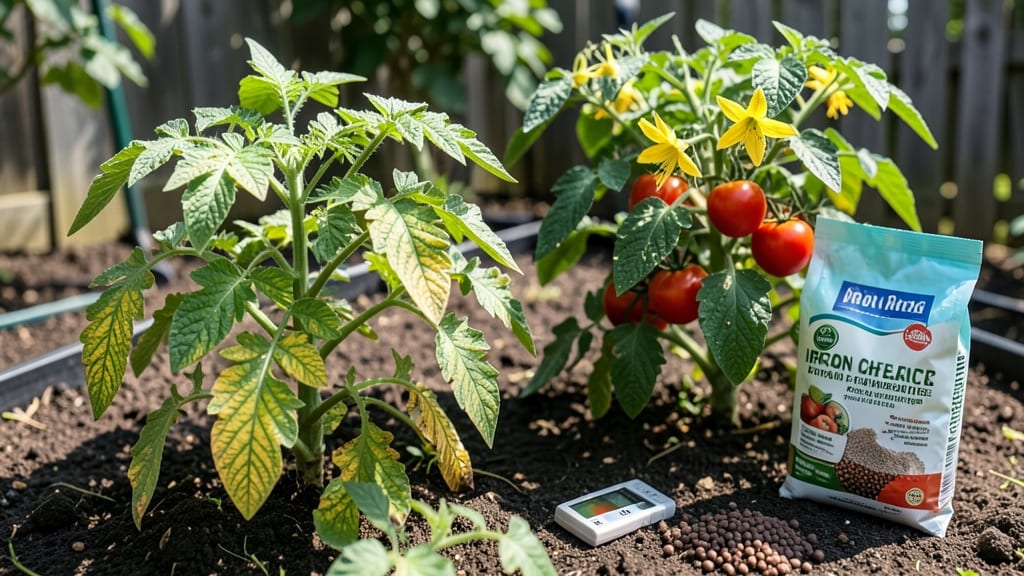
Your tomato plants might be screaming for iron, even when the soil looks rich. 🌱 Yellowing leaves between veins—chlorosis—is the classic sign of iron deficiency, and it’s more common than you’d think, especially in alkaline soils that lock out nutrients.
I’ve saved dozens of plants with this simple fix, and you can too without buying expensive amendments.
The problem starts when soil pH creeps above 7.0, making iron unavailable to roots. Even if you’ve tested your soil, hidden pockets can still cause issues. The good news?
Eggshell tea isn’t just a kitchen trick—it’s packed with calcium and trace minerals that help break down iron for hungry plants. Plus, it’s free if you already compost.
By the end of two weeks, you’ll see new growth with deep green leaves, not the sickly yellow patches that make tomatoes look half-dead. The best part? This remedy works on other plants too—peppers, citrus, and even your lawn. No more guessing if your soil is truly deficient.
Here’s the catch: if chlorosis spreads to new leaves or stems turn yellow, it’s time for a soil test. Sometimes iron deficiency masks bigger problems like manganese or zinc shortages. But for most home gardens, eggshell tea is the first line of defense.
📚 In This Guide
- What you need
- Instructions
- Tips and common mistakes
- Wrapping up and next steps
What you need
- ● Eggshells: 1 cup (about 10–12 large eggshells), thoroughly cleaned and dried
- ● Water: 4 cups (32 oz) of distilled or rainwater (avoid tap water if high in chlorine)
- ● Pot or container: A 1-quart glass jar or stainless steel pot (no aluminum or reactive metals)
- ● Blender or mortar & pestle: To crush eggshells into fine pieces
- ● Strainer or cheesecloth: For filtering the tea
- ○ Spray bottle (optional): 8–16 oz for easy application
- ○ pH testing kit (optional): To check soil pH (ideal: 6.0–6.8 for iron uptake)
- ● Gloves (recommended): To protect hands while handling shells
- ● Oven or microwave: For sterilizing shells (bake at 200°F/93°C for 10 mins or microwave for 5 mins)
- ● Garden trowel or spoon: For mixing tea into soil or applying to roots
- ● Sunlight or compost pile: To decompose shells naturally (if not using tea immediately)
- ● 🌡️ Temperature matters: Use warm (not boiling) water to steep shells for 24–48 hours for maximum calcium and trace mineral release.
- ● ✨ Boost effectiveness: Add a pinch of citric acid (½ tsp) to the water to help dissolve iron and improve absorption.
- ● 🎯 Frequency: Apply eggshell tea every 2–3 weeks during the growing season or when chlorosis reappears.
Step-by-Step instructions for fixing iron deficiency in tomato plants
Here's how I turn yellowing tomato leaves back to vibrant green using eggshell tea—no chemicals, just plant food you already have.
🌿 Step 1: Confirm Iron Chlorosis in Your Plants
Start by checking your tomato plants for the classic signs of iron deficiency: young leaves turn pale yellow while veins stay green, and stems may appear weak. This happens when iron becomes unavailable, even if it's in the soil. I always test by gently tugging a leaf—if it feels soft and papery, that's your first clue iron's missing.
Don't confuse this with nitrogen deficiency (where older leaves yellow first) or overwatering (where leaves wilt and drop). Iron chlorosis shows up on new growth first. The good news? Eggshell tea delivers chelated iron your plants can actually use.
💧 Step 2: Prepare the Eggshell Tea Solution
Collect and crush 4-6 clean eggshells (no yolk residue) into small pieces. Place them in a clean jar and cover with 2 cups boiling water. Let steep for 24 hours—this breaks down calcium carbonate into a form plants can absorb, plus releases trace minerals.
Strain through a fine mesh sieve or cheesecloth into a spray bottle. The liquid should be pale and slightly cloudy. I like to add 1 tablespoon apple cider vinegar to lower the pH slightly—this helps unlock iron in alkaline soils. Shake well before each use.
☀️ Step 3: Apply Tea to Affected Plants
Spray the eggshell tea directly onto the top and undersides of leaves until damp but not dripping. Focus on new growth where chlorosis appears first. I do this in the early morning so leaves have time to dry before evening humidity sets in.
Repeat every 3-4 days for 2-3 weeks. You'll notice new leaves emerging with restored green color within 7-10 days. For container plants, also pour ½ cup of the strained liquid around the base to feed roots.
✂️ Step 4: Adjust Growing Conditions for Long-Term Results
Iron becomes unavailable in alkaline soils (pH above 7.0). Test your soil pH—if it's high, mix 1 cup peat moss into the top 6 inches of soil around each plant. This naturally lowers pH and improves iron uptake.
Water plants deeply every other day to prevent iron from binding in dry soil. Avoid over-fertilizing with nitrogen—it competes with iron absorption. I always pair this treatment with a balanced organic fertilizer to support overall plant health.
🌱 Step 5: Monitor and Maintain Healthy Growth
Watch for new growth patterns. Healthy tomato leaves should be deep green with no yellowing. If chlorosis persists after 3 weeks, your soil may need more dramatic pH adjustment—consider adding elemental sulfur according to package instructions.
Keep applying eggshell tea monthly as a preventative measure, especially during hot weather when iron uptake slows. The tea also strengthens cell walls, making plants more resistant to diseases like early blight that often follow nutrient deficiencies.
Tips & tricks for reviving chlorotic tomato plants
These simple tricks will help you get the most out of your eggshell tea treatment—and prevent common pitfalls that can slow down recovery.
Eggshell Prep Matters: For maximum effectiveness, bake eggshells at 200°F for 10 minutes before crushing to sterilize them. This removes any potential bacteria while preserving the calcium carbonate. I also like to grind the shells into a fine powder using a clean coffee grinder—this increases surface area for better mineral extraction during the 24-hour steep.
Soil pH Test First: Before applying eggshell tea, test your soil pH using a simple kit from your garden center. If your soil tests above 7.0, the iron in your eggshells won't be available to plants. The 1 tablespoon apple cider vinegar in Step 2 helps, but for severely alkaline soils, you'll need that 1 cup peat moss amendment from Step 4 to create lasting results.
Application Timing Secret: The early morning application in Step 3 isn't just about drying time—it's also when stomata (leaf pores) are most open, allowing maximum absorption. If you miss morning, apply in late afternoon instead of evening. Avoid spraying when leaves are wet or dew-covered, as this can dilute the tea's effectiveness.
Companion Treatment: While your plants recover, mix ½ teaspoon of liquid seaweed fertilizer into the eggshell tea for every 2 cups. Seaweed contains natural chelators that help transport iron into plant cells. I start this after the first week of treatment when new growth begins appearing—it gives your tomatoes an extra boost during their recovery phase.
Pro Tips for Iron Deficiency In Tomato Plants
- These simple tricks will help you get the most out of your eggshell tea treatment—and prevent common pitfalls that can slow down recovery.
- Eggshell Prep Matters: For maximum effectiveness, bake eggshells at 200°F for 10 minutes before crushing to sterilize them.
- Soil pH Test First: Before applying eggshell tea, test your soil pH using a simple kit from your garden center.
Frequently asked questions
Got questions about iron deficiency in tomato plants?
You’re not alone—this issue trips up even seasoned gardeners! Below, we’ve answered the most common queries to help you diagnose, treat, and prevent chlorosis like a pro.
What does iron deficiency look like in tomato plants?
Iron deficiency (chlorosis) starts with yellowing leaves, usually between the veins on younger leaves first, while older leaves stay green. In severe cases, leaves may curl, stunt growth, or even drop prematurely. Eggshell tea can help, but check soil pH too—iron locks up in alkaline soil!
How long does it take to see improvement after treating iron deficiency?
With eggshell tea or iron supplements, you might notice new growth in 1–2 weeks, but full recovery can take 4–6 weeks, depending on severity. Consistency is key—apply treatments every 2–3 weeks during the growing season. Patience pays off!
Can I use eggshell tea for iron deficiency in other plants?
Eggshell tea works for vegetables, herbs, and fruiting plants like peppers, strawberries, and citrus—anything prone to chlorosis. Just adjust the ratio: 1 cup crushed eggshells per gallon of water for most plants. Pro tip: Add a splash of vinegar to lower pH slightly and boost iron uptake.
What if my tomato plants still look bad after trying eggshell tea?
If yellowing persists, test your soil pH (ideal: 6.0–6.8). Iron becomes unavailable in alkaline soil (pH 7.0+). Try:
- Mixing sulfur or peat moss into soil to lower pH.
- Using a chelated iron supplement (like iron sulfate or EDTA chelates).
- Adding compost or organic matter to improve microbial activity.
How often should I fertilize tomato plants to prevent iron deficiency?
Feed tomatoes every 2–4 weeks with a balanced fertilizer (like 10-10-10) or an iron-rich organic amendment (e.g., fish emulsion, molasses, or compost tea). Over-fertilizing with nitrogen (e.g., too much blood meal) can worsen iron uptake—stick to the NPK ratio and monitor leaf color!
Bonus Tip: Quick DIY Iron Booster
Mix 1 tbsp molasses + 1 tbsp eggshell powder into a gallon of water, let steep overnight, and use as a foliar spray or soil drench. Molasses feeds beneficial microbes that unlock iron in the soil—nature’s chelate!
Wrapping up and next steps
Iron deficiency in tomato plants doesn’t have to be a setback—with the right knowledge, you can turn chlorosis into a thing of the past! 🌱 By using simple, eco-friendly solutions like eggshell tea, you’re not only boosting your plants’ health but also reducing waste.
Remember, consistency is key, so keep monitoring your soil and adjusting as needed.
Ready to see your tomato plants thrive? Start brewing that eggshell tea today! Your garden (and taste buds!) will thank you.