
Plants
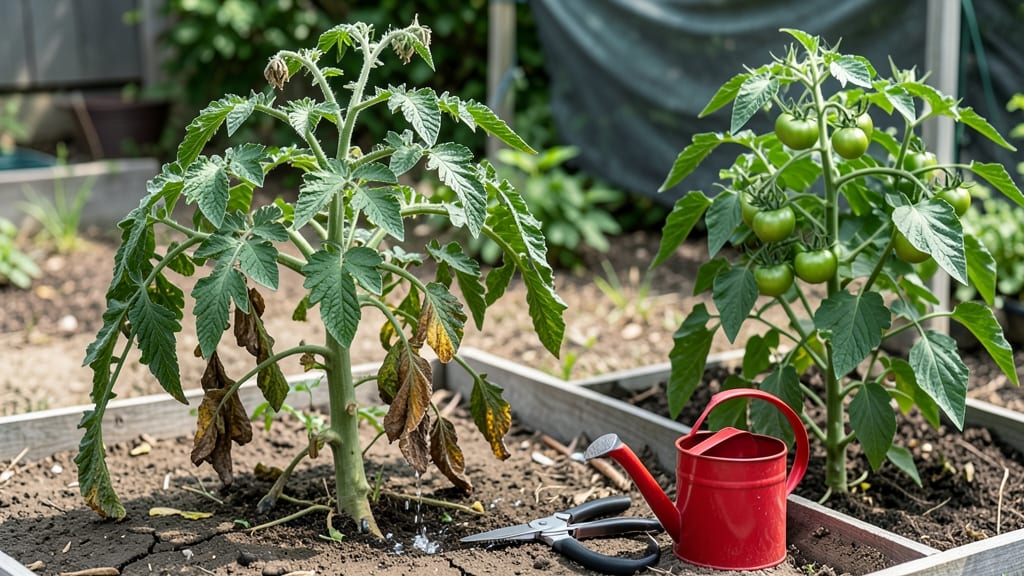
Can wilted tomato plants recover? Absolutely—they can bounce back with the right care. 🌱 I've nursed more than my share of droopy tomato plants back to health, and the secret lies in understanding why they wilted in the first place. Overwatering, heat stress, disease, or even a simple case of thirst can leave your plants looking defeated, but most of the time, they're just asking for a little help.
Start by checking the soil—it's the most reliable clue. If the top inch is dry, your plants need water; if it's soggy, you've likely overdone it. Yellow leaves paired with wilting often mean overwatering, while crispy edges suggest underwatering.
The good news? Tomato plants are tough—they can recover from both if you catch it early and adjust your watering routine.
With proper watering, shade during peak heat, and a little pruning to improve airflow, you'll see those plants perk up in just a few days. I've seen wilted plants standing tall again within 24-48 hours of the right care.
The key is consistency—keep the soil evenly moist, not soggy, and give them some afternoon shade when temperatures climb.
Once they're back on track, focus on prevention: mulch to retain moisture, water deeply in the morning, and watch for early signs of stress.
My garden journal now has a whole section on tomato plant recovery—because knowing what to do when they wilt means fewer sad plants and more juicy tomatoes by harvest time.
Root Causes Of Wilting
Wilting in tomato plants is often a distress signal from your garden’s most hardworking (and delicious!) crop. Understanding why it happens is the first step to revival—and preventing future droops. Below, we break down the top scientific triggers behind wilting, so you can diagnose the issue like a plant whisperer.
Tomatoes are 95% water when ripe, so their wilting is often a hydration crisis. Here’s how it plays out:
- Underwatering (Most Common Culprit) - Root Zone Drought: When soil dries out, roots can’t absorb water fast enough, causing cells to lose turgor pressure (the "plumpness" that keeps stems rigid).
Think of it like a balloon slowly deflating. - Symptoms: Leaves curl upward (like a question mark), soil pulls away from pot edges, and wilting happens during the day (recovering slightly at night). - Actionable Fix: Stick your finger 2 inches deep—if dry, water deeply until it drains from the bottom.
Use drip irrigation to deliver consistent moisture.
- Overwatering (Just as Deadly) - Root Suffocation: Soggy soil cuts off oxygen, forcing roots to "drown."
Without oxygen, roots can’t uptake water or nutrients, leading to wilting despite wet soil. - Symptoms: Yellowing leaves, mushy stems, and wilting that worsens at night (when transpiration slows). - Actionable Fix: Let the top 1–2 inches of soil dry between waterings. Improve drainage with perlite or raised beds.
- Uneven Watering (The Silent Killer)
- Fluctuating Moisture: Alternating between dry and soaked soil stresses roots, causing osmotic shock (cells struggle to balance water intake).
- Symptoms: Wilting that comes and goes in patches.
- Actionable Fix: Mulch with straw or wood chips to lock in moisture and maintain even soil temps.
Tomatoes are warm-season plants (ideal temps: 70–85°F). When temps swing outside this range, their stomata (tiny leaf pores) close to conserve water—leading to wilting.
- Heat Stress (Above 90°F) - Transpiration Overload: High temps increase water loss faster than roots can replenish it.
Plus, soil moisture evaporates before roots absorb it. - Symptoms: Wilting midday, crispy leaf edges, and sunburnt (white/yellow patches) on exposed fruit. - Actionable Fix: - Shade cloth (30–50% coverage) for afternoon sun. - Morning watering (before 10 AM) to hydrate before peak heat. - Reflective mulch (white plastic) to bounce back sunlight.
- Cold Stress (Below 50°F)
- Metabolic Slowdown: Chilly nights reduce root activity and enzyme function, so water uptake grinds to a halt.
- Symptoms: Wilting that sticks around all day, purple stems (phosphorus deficiency from stress), and blossom drop.
- Actionable Fix:
- Row covers or cloches (mini greenhouses) for overnight protection.
- Avoid nighttime watering (cold soil = slower absorption).
If roots are compromised, your tomato can’t drink—no matter how much water you offer.
- Root Rot (Fungal/Bacterial Attack)
- Causes: Overwatering + poor drainage = Phytophthora or Pythium fungi, which gnaw at roots like termites.
- Symptoms: Wilting that doesn’t improve with water, black/mushy roots, and a foul smell at the base.
- Actionable Fix:
- Prune affected roots (if repotting) and treat with copper fungicide.
- Solarize soil (cover with clear plastic for 4–6 weeks) to kill pathogens.
- Physical Root Injury
- Causes: Rough handling (transplant shock), cultivator damage, or compaction from foot traffic.
- Symptoms: Wilting after repotting or heavy rain, roots that look brown/brittle.
- Actionable Fix:
- Gently loosen roots before transplanting (soak in water for 1 hour first).
- Avoid walking on soil near plants.
- Nematode Infestation
- Causes: Microscopic worms (root-knot nematodes) burrow into roots, creating galls (lumpy growths) that block water flow.
- Symptoms: Wilting with stunted growth, roots that look "knobby," and yellowing lower leaves.
- Actionable Fix:
- Neem oil (natural nematicide) or marigold companion planting (releases nematicidal compounds).
- Crop rotation (don’t plant tomatoes in the same spot for 3+ years).
Wilting can also be a starvation cry—when plants lack key nutrients, their cells can’t maintain turgor.
- Potassium Deficiency (The Wilting Weakness) - Why It Matters: Potassium regulates stomata function and water balance.
Without it, leaves wilting + curling (even with enough water). - Symptoms: Brown scorch marks on leaf edges, weak stems, and fruit that cracks. - Actionable Fix: - Epsom salt (1 tbsp/gallon of water) for magnesium/potassium boost. - Banana peel tea (steep peels in water for 3 days, use as fertilizer).
- Calcium Deficiency (The Structural Collapse) - Why It Matters: Calcium strengthens cell walls.
A lack of it causes blossom end rot (wilting fruit) and weak stems. - Symptoms: Wilting new growth, dark spots on fruit, and leaves that feel "spongy." - Actionable Fix: - Crushed eggshells (bake, grind, and sprinkle around plants). - Lime (if soil pH is below 6.0).
- Nitrogen Starvation (The Energy Crisis) - Why It Matters: Nitrogen fuels leaf growth and water transport.
Without it, plants can’t photosynthesize efficiently, leading to wilting. - Symptoms: Pale yellow leaves (starting at the bottom), stunted growth, and wilting under stress. - Actionable Fix: - Blood meal or fish emulsion (quick-release nitrogen). - Compost tea (brewed from aged compost).
Pro Tip: 💡 Diagnose like a detective!
- Wilting + Dry Soil? → Underwatering
- Wilting + Wet Soil? → Root rot or overwatering
- Wilting + Heat? → Transpiration stress
- Wilting + Yellow Leaves? → Nutrient deficiency
Reviving Wilted Tomatoes Step-by-Step
Wilted tomato plants can feel like a gardener’s worst nightmare—but don’t toss them just yet! With the right care, many plants bounce back stronger than ever. Below, we break down cause-specific fixes to nurse your tomatoes back to health, plus prevention tips to keep future wilting at bay.
Signs: Dry, crispy leaves, soil pulling away from the pot, wilting that worsens in heat.
- 🔥 Hydrate Deeply (Not Just a Spritz) - Water slowly and deeply at the base of the plant until moisture seeps 6–8 inches into the soil.
Use a hose with a gentle spray or a watering can with a long spout. - Pro tip: 💡 Check soil moisture by sticking your finger 2 inches down—if it’s dry, water immediately.
- 🌡️ Mulch Like a Pro
- Spread 2–3 inches of mulch (straw, wood chips, or grass clippings) around the base to lock in moisture and cool roots.
- Avoid piling mulch against the stem—keep it 2 inches away to prevent rot.
- ⏰ Adjust Your Watering Schedule
- Water early morning (6–9 AM) to reduce evaporation and fungal risks.
- In extreme heat, water twice daily (morning + late afternoon).
Prevention:
- Drip irrigation or soaker hoses deliver water directly to roots, cutting waste.
- Self-watering pots or oasis bags (for containers) keep soil consistently moist.
Signs: Wilting during peak sun hours (10 AM–4 PM), leaves curling upward, yellowing.
- 👨🍳 Provide Temporary Shade
- Set up shade cloth (30–50%) or move potted tomatoes to a partially shaded spot for 2–3 days.
- Quick fix: 🌿 Use a white umbrella or sheet to block direct sun.
- 🥘 Boost Humidity (Without Overwatering)
- Place a tray of water near the plant or mist leaves lightly in the early morning (avoid evening misting to prevent fungus).
- Group plants together—they create their own microclimate!
- 🍳 Cool the Roots
- Soak the root zone with lukewarm water (not cold) to shock roots back to normal.
- For containers: Move pots to a shadier, cooler spot (like under a deck).
Prevention:
- Choose heat-tolerant varieties like ‘Solar Fire’ or ‘Heatmaster’ tomatoes.
- Reflective mulch (white plastic or gravel) bounces sunlight away from roots.
Signs: Wilting + spots, holes, or sticky residue, wilting that spreads unevenly.
- 🔪 Prune the Damage
- Snip off wilting or diseased leaves with sterilized scissors (wipe with rubbing alcohol).
- Focus on: 🍅 Lower leaves first (they’re often the first to show signs).
- 🌿 Treat Fungal Issues (Early Action!)
- Baking soda spray: Mix 1 tsp baking soda + 1 quart water + a drop of dish soap. Spray under leaves every 7–10 days.
- Neem oil: Apply weekly for pests/fungus (follow label rates).
- 🚫 Isolate & Inspect
- Move affected plants away from healthy ones to prevent spread.
- Check for aphids, whiteflies, or spider mites—spray with soapy water (1 tbsp mild soap per gallon) if found.
Prevention:
- Rotate crops—don’t plant tomatoes in the same spot yearly.
- Avoid overhead watering (use drip irrigation to keep leaves dry).
Signs: Wilting that doesn’t improve with water, roots pulling away from soil, black/mushy stems.
- 💦 Rehydrate & Repot (If Needed)
- Soak the entire root ball in water for 30–60 minutes if roots are dry.
- For containers: If roots are circling or rotting, repot into fresh, well-draining soil.
- 🌡️ Check for Root Rot
- Gently loosen soil—healthy roots are white/firm; rotten roots are black/mushy.
- Treatment: Trim bad roots, dust cuttings with cinnamon (natural antifungal), and repot in sterile, fast-draining mix.
- 🍳 Boost Soil Health
- Amend soil with compost or worm castings for nutrients.
- For containers: Add perlite or vermiculite to improve drainage.
Prevention:
- Use raised beds or containers with drainage holes.
- Test soil pH (tomatoes thrive at 6.0–6.8).
- Fertilize lightly with balanced fertilizer (10-10-10) after wilting subsides.
- Support weak stems with cages or stakes to prevent further stress.
- Monitor progress—if no improvement in 3–5 days, the plant may be beyond saving (but try one more deep watering!).
Remember: 🌱 Tomatoes are tougher than they look—many recover fully with prompt action. The key is acting fast, diagnosing correctly, and giving them the right conditions to bounce back. Now grab your watering can and get to work!
Frequently asked questions
How long does it take for a wilted tomato plant to recover?
With proper care, you’ll often see improvement within 24-48 hours if the issue is simple dehydration or heat stress. For more serious problems like root rot or severe nutrient deficiency, recovery can take 5-7 days. Monitor your plant daily and adjust care based on progress—if there’s no improvement after 3-5 days, the plant may need more intensive treatment or repotting.
Can you save a tomato plant that's completely wilted and mushy?
It depends on the cause. If the stems are still firm but just limp from thirst or heat, give it a deep watering and shade for 2-3 days. However, if the stems are mushy (a sign of root rot or bacterial wilt), the plant is likely beyond saving. Check the roots—if they’re black and smelly, it’s time to replace the plant rather than trying to revive it. For containers, you can try repotting healthy-looking plants into fresh soil.
What's the best way to tell if my wilted tomato plant needs water or shade?
Check the soil first—stick your finger 2 inches deep. If it’s dry, water deeply until moisture reaches 6-8 inches down. If the soil is damp but the plant is still wilted, especially during hot afternoons, it’s likely heat stress. Provide shade with a white umbrella or shade cloth (30-50%) and water in the morning to help it recover. Wilting that happens during the day but recovers at night usually means thirst, while wilting that persists all day suggests heat or disease.
Will pruning help a wilted tomato plant recover faster?
Yes, but only if done correctly! Remove only the most severely wilted or diseased leaves—focus on lower leaves first. Avoid heavy pruning, as this adds stress. Use sterilized scissors to prevent spreading disease, and prune in the morning so wounds can dry out. This improves airflow and helps the plant focus energy on recovery. For fungal issues, follow pruning with a baking soda spray (1 tsp baking soda + 1 quart water) to protect remaining leaves.
Can I use coffee grounds to revive a wilted tomato plant?
Coffee grounds can help with long-term soil health by adding nitrogen, but they’re not a quick fix for wilting. If your plant is wilted from dehydration or heat, focus on watering and shading first. Once recovered, you can work coffee grounds into the soil (1 cup per plant) as a slow-release fertilizer. However, use them sparingly—too much can make soil too acidic (pH below 6.0) and harm root health. Mix with compost for best results.