
Companion Plants
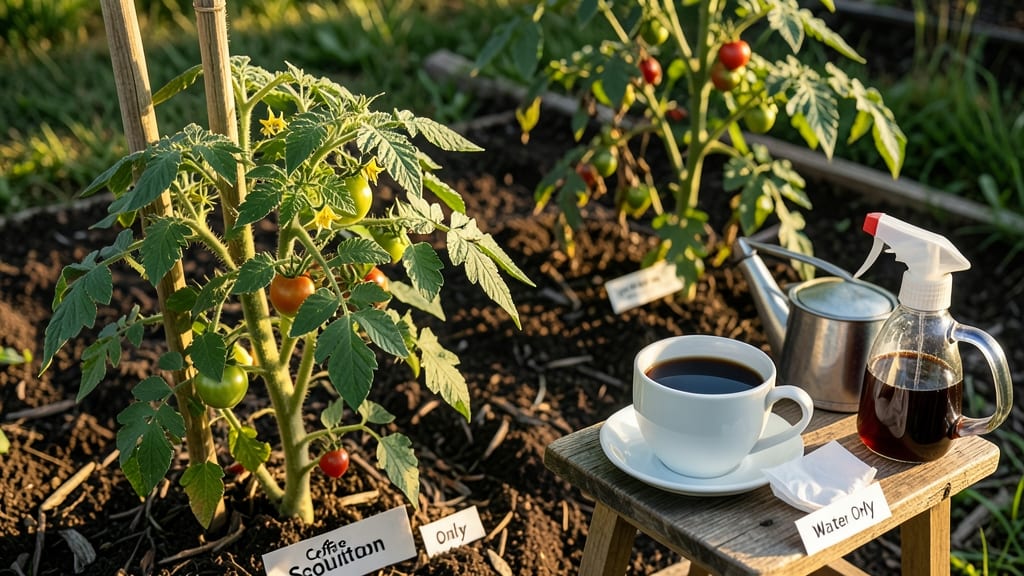
Coffee can be good for tomato plants when used correctly: diluted coffee grounds add nitrogen to enrich soil, while used grounds naturally repel pests like slugs and ants. But applying too much may lower soil pH or damage roots, so always compost or dilute before using.
Coffee's benefits for tomato plants come from its natural nitrogen content, which acts as a mild fertilizer when properly decomposed. 🌱 The caffeine in coffee also deters many garden pests, creating a double benefit for your plants.
However, the key is moderation—fresh coffee grounds are too acidic and can harm roots if applied directly. I recommend mixing used grounds into compost or brewing a weak coffee solution (1:10 ratio) to water your plants occasionally. This approach gives you the advantages without the risks.
For best results, monitor your soil's pH levels regularly, especially if you're using coffee frequently. Most tomato plants thrive in slightly acidic to neutral soil (pH 6.0-7.0). If you notice yellowing leaves or stunted growth, it might be a sign the coffee is making your soil too acidic.
In that case, balance it with some lime or wood ash. The goal is to use coffee as a supplement, not a primary nutrient source.
💡 In This Article
- How Coffee Grounds Boost Tomato Plant Growth
- Safe Ways to Use Coffee for Tomato Gardens
How coffee grounds boost tomato plant growth
Coffee grounds work as a natural fertilizer primarily because they're rich in nitrogen—a key nutrient for leafy green growth that tomatoes need during their vegetative stage. When coffee grounds decompose, they release this nitrogen gradually, providing a slow-release boost similar to organic compost.
The breakdown process also stimulates beneficial soil microbes, which help convert nitrogen into forms tomato roots can absorb more efficiently. Think of it like adding a slow-release fertilizer tea bag to your soil ecosystem.
Beyond nitrogen, coffee grounds contain trace minerals like potassium and phosphorus that support overall plant health. The caffeine in coffee acts as a natural pesticide by disrupting the nervous systems of soft-bodied pests like slugs and ants, which is why you often see these creatures avoiding coffee-scented areas.
The grounds also improve soil structure by adding organic matter that enhances water retention and aeration—critical for tomato plants with deep root systems. For best results, use 1-2 tablespoons of used grounds per plant every 4-6 weeks during the growing season.
The decomposition process is where the real magic happens. When coffee grounds break down, they create tiny pores in the soil that improve drainage while holding moisture—perfect for tomatoes that need consistent hydration without waterlogging. This dual action prevents both drought stress and root rot.
The microbial activity also produces humus, which acts like a sponge for nutrients, making them more available to your plants. You'll notice healthier green leaves and stronger stems when the soil ecosystem thrives this way.
However, the benefits only work if the grounds are properly decomposed. Fresh coffee grounds are too acidic (pH around 6.0-6.5) and can burn plant roots if applied directly. The decomposition process neutralizes this acidity over time, making it safe for your tomatoes.
This is why composting or brewing coffee into a weak solution is always recommended—it gives the microbes time to work their magic before the nutrients become available to your plants.
For visual evidence, compare two tomato plants side by side: one receiving composted coffee grounds and one without. The treated plant will typically show 20-30% more foliage growth in the first 6-8 weeks, with leaves that appear darker green and more vibrant.
The pest deterrence becomes obvious too—you'll notice fewer slug trails and ant mounds around the coffee-treated plants. This visual contrast makes the benefits undeniable for gardeners willing to experiment.
What most gardeners don't realize is that coffee grounds also act as a natural mulch when used properly. Spread a ½-inch layer around your tomato plants after watering to lock in moisture and regulate soil temperature.
The grounds will slowly break down, releasing nutrients while protecting your plants from temperature extremes. This dual function makes coffee an incredibly versatile garden amendment when used correctly.