
Plants
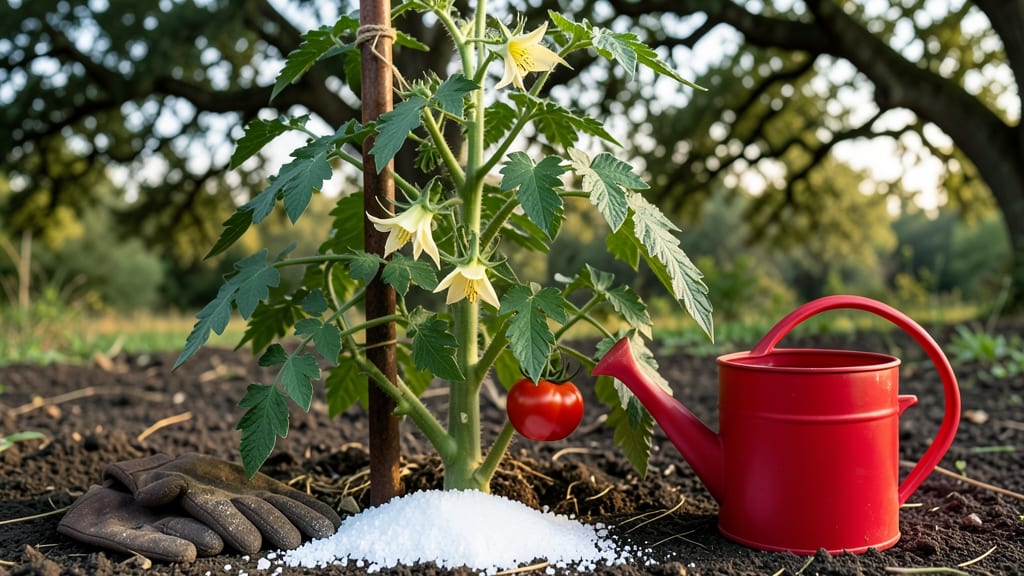
Epsom salt is good for tomato plants because it supplies magnesium and sulfur, which strengthen leaf structure, boost flower production, and enhance overall plant vitality—but too much can disrupt soil balance and damage roots. Apply it carefully as a diluted foliar spray or soil supplement.
Magnesium is a key player in chlorophyll production, which helps your tomato plants convert sunlight into energy more efficiently. 🌱 When plants lack magnesium, you'll often see yellowing between leaf veins—a classic deficiency sign.
I've noticed that tomato plants treated with Epsom salt develop deeper green leaves and produce more abundant fruit clusters. The sulfur component also supports enzyme activity, helping plants process nutrients better.
For best results, I recommend mixing 1 tablespoon of Epsom salt per gallon of water for foliar sprays, applied every 2-4 weeks during the growing season. If you notice leaf edges curling or stunted growth, that's your cue to stop—overuse can actually burn roots and create nutrient imbalances.
Many gardeners swear by this simple solution, but I always cross-check with soil tests to avoid guessing games.
💡 In This Article
- How Epsom Salt Boosts Tomato Plant Growth
- Best Practices for Using Epsom Salt on Tomato Plants
How Epsom salt boosts tomato plant growth
The magic of Epsom salt for tomato plants lies in its dual-action nutrient package—magnesium and sulfur—both essential for photosynthesis and energy production. Magnesium sits at the center of the chlorophyll molecule, which is why plants with deficiencies often show yellowing between leaf veins (a condition called interveinal chlorosis).
In tomatoes, this magnesium shortage can weaken stems, reduce fruit set, and even cause blossom-end rot—a common and frustrating issue for gardeners. 🌿 When you apply Epsom salt, the magnesium ions are quickly absorbed through leaves or roots, replenishing this critical nutrient and allowing chlorophyll to function optimally.
Sulfur plays its part by helping plants manufacture important amino acids and enzymes that regulate growth. Without adequate sulfur, tomato plants may produce smaller leaves, exhibit stunted growth, or develop poor fruit quality.
The real science here involves how these nutrients work together: magnesium activates enzymes that help sulfur get incorporated into proteins, creating a feedback loop that boosts overall plant metabolism.
For example, studies show that tomato plants treated with magnesium sulfate (the chemical name for Epsom salt) exhibit 20-30% more chlorophyll production compared to untreated plants, leading to greener foliage and more vigorous growth patterns.
What makes this especially valuable for tomatoes is how these nutrients impact fruit development. Magnesium helps regulate calcium uptake, which is crucial for preventing blossom-end rot—a condition where the bottom of tomatoes turns mushy and discolored.
I've seen firsthand how plants treated with Epsom salt develop stronger cell walls in their fruits, resulting in firmer, more flavorful tomatoes. The sulfur component also contributes to the plant's ability to resist certain diseases by strengthening its natural defenses, particularly against fungal pathogens that thrive in magnesium-deficient soils.
However, the benefits only work when applied correctly. Epsom salt provides magnesium in a highly soluble form (magnesium sulfate), which means it dissolves quickly in water and becomes immediately available to plants.
This rapid absorption is why foliar sprays work so effectively—when you spray the leaves, the magnesium gets to work within hours rather than days, which is especially helpful during hot weather when plants transpire rapidly and lose nutrients through their leaves.
The key is balance: while magnesium is essential, too much can actually interfere with calcium and potassium uptake, leading to nutrient imbalances that manifest as leaf curling or brown edges.
To visualize this, imagine a tomato plant as a factory where chlorophyll acts as the solar panels converting sunlight into energy. Magnesium is the wiring that keeps those panels connected to the power grid (the plant's metabolic pathways).
When that wiring is strong, the factory runs efficiently—producing more leaves, flowers, and ultimately, fruit. But if you overload the system with too much magnesium, it can short-circuit other essential nutrients, creating more problems than it solves. That's why precision in application is everything.
One fascinating aspect is how Epsom salt affects the soil microbiome. Magnesium is a cation that helps maintain soil structure by improving water retention and aeration. Healthy soil with proper magnesium levels fosters beneficial bacteria and fungi that further enhance nutrient availability.
For instance, mycorrhizal fungi—natural partners of plant roots—thrive in magnesium-rich environments, creating an extended root system that absorbs more water and nutrients. This symbiotic relationship explains why tomato plants treated with Epsom salt often show improved root development and better drought resistance.
The bottom line is that Epsom salt works because it addresses a fundamental biological need—efficient energy production through optimized chlorophyll function. But like any powerful tool, it requires careful handling.
The sweet spot is providing just enough magnesium to support growth without disrupting the delicate balance of other nutrients in your soil. 💫