
Vegetables
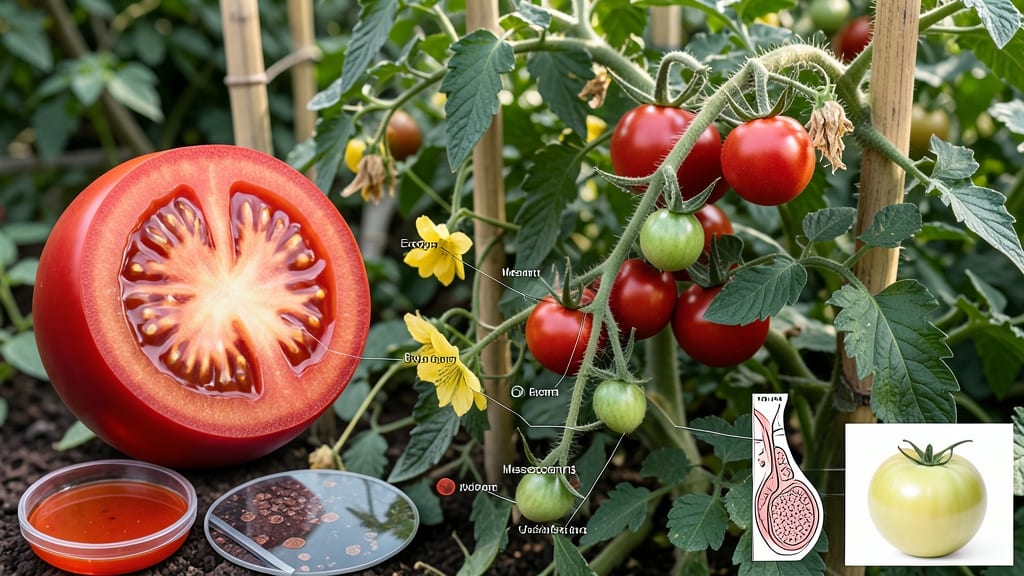
The red colour of tomatoes comes from lycopene, an antioxidant pigment that develops during photosynthesis and ripening. This vibrant hue indicates ripeness, helps attract pollinators, and offers the plant UV protection and disease resistance.
The red colour of tomatoes isn't just visually striking—it's a survival strategy. 🌱 Lycopene, the pigment responsible, acts as a natural sunscreen for the plant, shielding it from harmful UV rays while also signaling to animals and insects that the fruit is ripe and ready to be eaten.
This process doesn't just happen overnight; it's the result of weeks of ripening, where the plant converts other pigments into lycopene as it matures.
What's fascinating is how this same pigment that gives tomatoes their colour is also what makes them so beneficial for human health, acting as a powerful antioxidant in our diets.
Interestingly, the deeper the red colour, the higher the lycopene content. This means that fully ripe tomatoes aren't just tastier—they're packed with more of this beneficial compound.
Whether you're growing tomatoes in your garden or simply enjoying them in salads, understanding this process helps you appreciate why tomatoes are so special.
💡 In This Article
- Lycopene: The Antioxidant Pigment Behind Tomato Redness
- How to Grow Ripe, Red Tomatoes in Your Garden
Lycopene: the antioxidant pigment behind tomato redness
Lycopene isn't just a pigment—it's a carotenoid antioxidant that forms in tomato fruit through a complex biochemical pathway. This process begins when chlorophyll (the green pigment in unripe tomatoes) breaks down during ripening, triggered by ethylene gas.
The plant then converts carotenoids like beta-carotene into lycopene through enzymatic reactions in the fruit's chromoplasts, specialized organelles that store pigments. What's fascinating is that lycopene's chemical structure—made up of 11 conjugated double bonds—absorbs blue and green light while reflecting red wavelengths, creating that signature hue.
The deeper red color you see in ripe tomatoes correlates directly with lycopene concentration, which can reach up to 80-120 mg per kilogram of tomato tissue in fully mature fruit. For comparison, that's about 5-10 times more lycopene than in unripe green tomatoes.
The plant produces this pigment not just for color, but as a protective mechanism against photooxidative stress—lycopene acts like sunscreen, shielding the fruit's delicate tissues from UV damage while also deterring pests that might find green fruit more appealing.
This biochemical process is also why cooked tomatoes develop an even more intense red color. Heat breaks down cell walls, making lycopene more accessible and increasing its bioavailability by up to 50% compared to raw tomatoes.
That's why tomato sauces and soups often have a richer red hue than fresh slices—it's not just cooking, but the lycopene's release from the plant's cellular structure that enhances both color and nutritional value.
Interestingly, lycopene production varies by tomato variety. Heirloom varieties like Brandywine or Cherokee Purple often develop deeper red hues because they naturally produce higher lycopene levels.
Even environmental factors play a role: tomatoes grown in full sunlight (with 6-8 hours of direct exposure daily) develop more lycopene than those in shaded conditions, as the plant ramps up its natural UV protection mechanisms.
The evolutionary advantage here is clear: red tomatoes are more attractive to animals and birds that disperse seeds, while the lycopene provides the plant with a built-in defense system.
This dual-purpose pigment explains why tomatoes have maintained their red coloration throughout thousands of years of cultivation—it's not just about looking good on your plate, but about the plant's survival strategy.
What most people don't realize is that lycopene's antioxidant properties extend beyond the plant's needs. When we consume tomatoes, this same pigment helps neutralize free radicals in our bodies, reducing oxidative stress that can lead to chronic diseases.
The deeper the red, the more powerful this health benefit becomes—making that ripe, sun-ripened tomato not just a feast for the eyes, but a nutritional powerhouse.