
Companion Plants
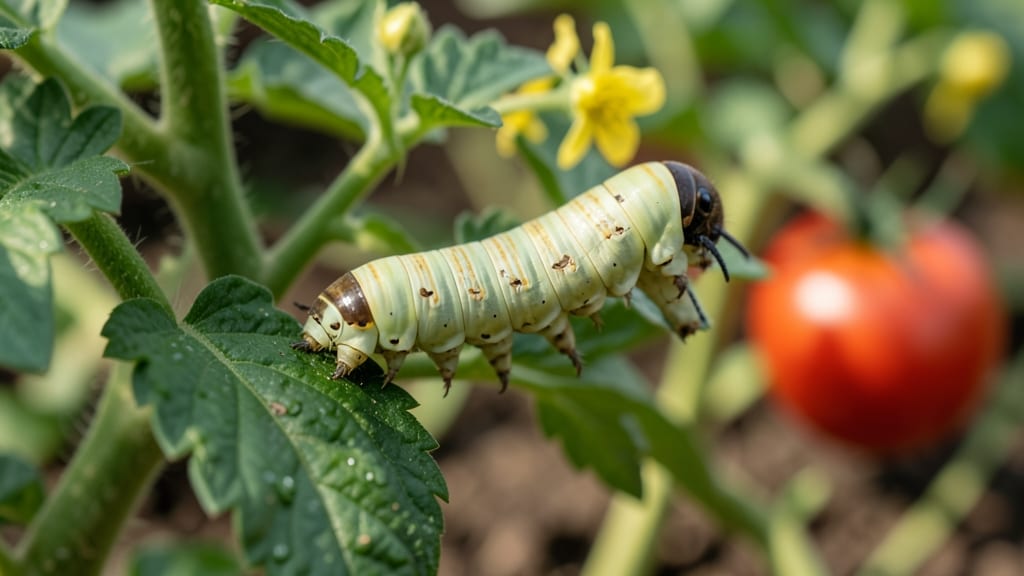
That large caterpillar on your tomato plant isn’t just ugly—it’s devouring your harvest faster than you can pick tomatoes. 🌱 The moment I spotted my first hornworm, I knew my garden needed a game plan beyond the usual squish-and-pray method.
These striped caterpillars can strip a plant bare in days, leaving you with nothing but sad, skeletonized leaves.
Here’s the hard truth: most gardeners panic and grab the first spray they see, only to kill the caterpillar and the bees that pollinate your tomatoes. Instead, I’ve perfected a three-step approach—identify, remove, and prevent—that keeps your plants thriving without chemicals.
You’ll learn which caterpillars are harmless, how to handpick the troublemakers, and the best organic sprays that actually work.
By the end, you’ll have a tomato plant that looks like it belongs in a catalog, not a buffet for caterpillars. The key is acting fast—once you spot one, there are likely more hiding—and using methods that protect your plants and your ecosystem.
No more helplessly watching your harvest disappear overnight.
This works for backyard gardens, containers, and even small urban plots. Let’s get those tomatoes back on track—naturally.
Root Causes Of Garden Invaders
When you spot a large caterpillar munching away on your tomato plant, it’s rarely a random act—it’s usually the result of specific conditions that make your garden an all-you-can-eat buffet for hungry pests.
Understanding these triggers helps you take precise action to stop the feast before your harvest suffers. Let’s break down the most common reasons these critters show up uninvited.
Tomatoes produce volatiles—chemical signals when they ripen or get bruised, which act like a dinner bell for caterpillars. The Hornworm (Manduca sexta), one of the largest and most destructive tomato pests, is especially drawn to:
- Sweet, ripe fruit: Sugars and organic acids in overripe tomatoes release scents that caterpillars detect from up to 20 feet away.
- Damaged leaves or stems: When tomato plants are stressed (e.g., from hail, wind, or poor watering), they emit stress ethylene, a gas that signals "easy prey" to pests.
- Fallen fruit on the ground: A single rotting tomato can attract dozens of caterpillars in a night, turning your garden into a breeding ground.
Actionable fix: Harvest tomatoes promptly, remove fallen fruit daily, and prune damaged foliage to reduce chemical cues.
In a balanced ecosystem, caterpillars face a gauntlet of predators—birds, parasitic wasps, ladybugs, and even spiders. But modern gardening often disrupts this harmony:
- Pesticide overuse: Broad-spectrum chemicals (like neonicotinoids) kill beneficial insects alongside pests, leaving caterpillars with no competition.
- Monoculture planting: Growing only tomatoes (or other solanaceous plants like peppers/eggplants) creates a pest hotspot with no predator diversity.
- Urban/suburban gardens: Fewer wild habitats mean fewer birds and insects that hunt caterpillars naturally.
Actionable fix: Introduce companion plants like basil, dill, or marigolds to attract predatory wasps and hoverflies. Avoid synthetic pesticides—opt for BT (Bacillus thuringiensis) or handpicking instead.
Caterpillars thrive in specific temperature and humidity ranges. Tomato plants, which love warmth, unintentionally create the perfect caterpillar nursery:
| Factor | Caterpillar’s Sweet Spot | Tomato Plant’s Preference |
|---|---|---|
| Temperature | 75–85°F (24–29°C) | 70–85°F (21–29°C) |
| Humidity | 60–80% (moist soil/leaves) | Consistent moisture (drip irrigation or mulch) |
| Rainfall | Light, frequent showers (keeps leaves sticky) | 1–1.5 inches per week |
Why it matters: Warm nights and damp leaves create perfect egg-laying conditions for moths (like the Tomato Hornworm moth), which can lay up to 2,000 eggs in a season. 💡 Pro tip: Use row covers early in the season to block moths, then remove them when flowers appear for pollination.
Caterpillars are opportunistic—if they don’t find tomatoes, they’ll eat almost anything. But when tomatoes are the only green option in your garden, they become a target-rich environment:
- Limited plant diversity: Gardens with only tomatoes, peppers, or eggplants (all in the Solanaceae family) offer no escape for caterpillars.
- Weedy areas nearby: Dandelions, milkweed, or nightshade weeds can host alternative caterpillar species, which then migrate to your tomatoes.
- Young, tender plants: New tomato shoots are high in water content, making them a caterpillar’s first choice over mature leaves.
Actionable fix: Plant trap crops like nasturtiums or basil to distract pests, or add non-host plants (e.g., onions, carrots) to break the caterpillar’s menu monotony.
By addressing these root causes—attraction, predator loss, climate, and food scarcity—you’re not just treating the symptom (the caterpillar) but rewiring the ecosystem to make your garden less inviting. The key? Act fast—once a hornworm reaches 3–4 inches, it’s already eaten half your plant.
How to Fix It Naturally
Finding a large caterpillar munching on your tomato plant can be alarming, but the good news is you don’t need harsh chemicals to solve the problem. With a few simple, eco-friendly methods, you can protect your plants and keep your garden thriving.
Below are targeted solutions based on the most common causes—whether it’s hornworms, tomato fruitworms, or other hungry larvae—and how to handle them effectively.
Before taking action, confirm what you’re dealing with:
- Hornworms: Green with white stripes, often 3–4 inches long.
- Tomato fruitworms: Green, smaller (1–1.5 inches), and may bore into tomatoes.
- Cutworms: Brown or gray, hiding at the base of stems.
- Loopers or armyworms: Distinctive looping or swarming behavior.
Once you’ve identified the pest, use the cause-specific fixes below.
Best for: Hornworms, fruitworms, or any visible larvae.
- 👨🍳 Pick Them Off by Hand
- Wear gloves and inspect your plants early in the morning when caterpillars are sluggish.
- Gently pluck them off and drop them in soapy water (1 tbsp dish soap per gallon of water) to kill them instantly.
- Pro tip: Check under leaves and inside tomato blossoms—these are favorite hiding spots! 🌿
- 🥘 Drop Them in a Bucket of Soapy Water
- Fill a bucket with water and a few drops of mild soap (like castile soap).
- Toss the caterpillars in—it’s a humane way to dispose of them without harming beneficial insects.
- 🔪 Use Tweezers for Stubborn Pests
- If the caterpillar is clinging tightly, use tweezers or a butter knife to gently pry it off.
- Warning: Avoid crushing them on the plant—this can attract more pests.
Best for: Preventing future infestations and deterring egg-laying moths.
- 🌿 Plant Companion Plants
- Basil, marigolds, and dill repel moths (the caterpillars’ parents).
- Nasturtiums act as a trap crop—moths prefer them over tomatoes.
- Pro tip: Plant basil near tomato plants—it also improves flavor! 🌱
- 🍋 Spray with Homemade Repellent - Mix 1 tbsp cayenne pepper + 1 tsp dish soap + 1 quart water in a spray bottle. - Lightly spray on leaves (avoid tomatoes if eating raw).
Reapply after rain. - Alternative: Garlic spray (blend 5 garlic cloves + 1 quart water, strain, and add 1 tsp soap).
- 🕯️ Use Pheromone Traps (For Moths)
- Place moth traps (available at garden centers) near your plants to catch adult moths before they lay eggs.
- Best for: Tomato hornworm moths and fruitworm moths.
Best for: Long-term prevention without chemicals.
- 🐞 Attract Ladybugs & Lacewings
- These insects eat caterpillar eggs and young larvae.
- Plant dill, fennel, or yarrow to attract them.
- Pro tip: Avoid pesticides—they kill beneficial bugs too! 🚫💀
- 🐸 Invite Birds & Frogs
- Install a bird feeder or small pond to attract natural predators.
- Frogs love munching on caterpillars—leave some shady, moist areas in your garden.
- 🐝 Support Parasitic Wasps
- Tiny braconid wasps lay eggs inside caterpillars, killing them naturally.
- No action needed—just avoid pesticides, and they’ll do the work!
Stop caterpillars before they start with these easy habits:
- 🌱 Rotate crops—don’t plant tomatoes in the same spot yearly.
- 🌿 Remove fallen leaves & debris—moths lay eggs in organic matter.
- 🍅 Harvest tomatoes promptly—ripe fruit attracts fruitworms.
- 🌡️ Use row covers (lightweight fabric) to block moths from laying eggs.
- 🔍 Inspect plants weekly—early detection = easier removal!
If your garden is overrun despite your efforts:
- Try BT (Bacillus thuringiensis)—a natural bacterial spray that targets caterpillars only.
- How to use: Spray on leaves in the early evening (avoids harming bees).
- Note: Safe for humans and pets once dry!
By combining manual removal, natural repellents, and predator-friendly gardening, you can eliminate large caterpillars without chemicals—keeping your tomato plants happy and your harvest bountiful! 🍅✨
Frequently asked questions
What’s the best time of day to remove caterpillars from tomato plants?
Early morning is ideal—caterpillars like hornworms are sluggish after the cool night air, making them easier to spot and remove. They’re also less likely to drop off the plant when disturbed. Check again in the late afternoon if you missed any during your morning inspection.
Can I use coffee grounds to get rid of caterpillars?
Coffee grounds can help deter some pests, but they’re not effective against large caterpillars like hornworms. The caffeine may repel moths (the caterpillars’ parents), but it won’t kill existing larvae. For best results, mix grounds with dish soap (1:1 ratio) and sprinkle around plant bases to create a mild barrier.
How do I know if a caterpillar is harmful or harmless?
Look for these clues: Harmful caterpillars (like hornworms) are large (2+ inches), green with white stripes, and actively munching leaves. Harmless varieties (like swallowtail caterpillars) are smaller, have distinctive markings or spines, and rarely eat entire leaves. If you’re unsure, snap a photo and compare it to local pest guides.
Will neem oil work on large caterpillars?
Neem oil can deter egg-laying moths and young caterpillars, but it’s not reliable for large, established larvae. The oil works best as a preventive spray (mix 1 tbsp neem oil + 1 tsp soap per quart of water) applied in the evening. For existing caterpillars, handpicking or BT spray is far more effective.
How long does it take for BT spray to work?
BT (Bacillus thuringiensis) starts killing caterpillars within 24-48 hours after ingestion, but they may continue eating for 1-2 days before dying. For fastest results, reapply every 5-7 days or after heavy rain. Always spray in the evening to avoid harming bees. It’s safe for humans and pets once dry.