
Pests
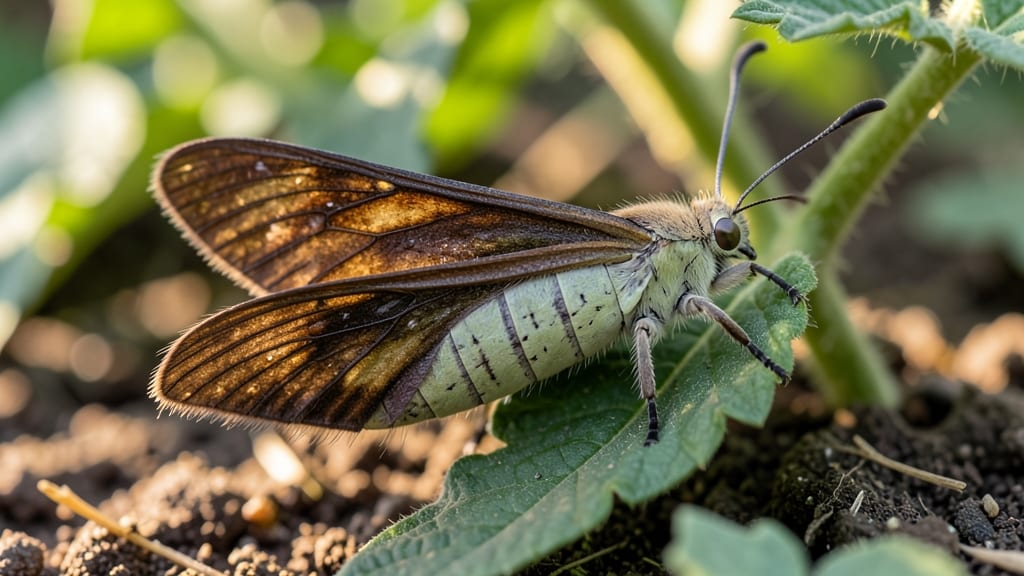
The tomato hornworm moth is the stealthy villain behind your disappearing tomato plants. 🌿 I’ve watched these striped caterpillars devour entire leaves overnight—until I learned their lifecycle and how to outsmart them naturally. The key isn’t chemicals but understanding their habits and disrupting them early.
These moths lay eggs on your tomato plants, and within days, hungry caterpillars emerge. Their green bodies with white stripes blend into foliage, making them hard to spot until it’s too late.
The damage? Ragged leaves, skeletonized plants, and fruit that never ripens. But there’s a silver lining: their predators (like parasitic wasps) are eager allies.
With the right organic controls—neem oil sprays, handpicking, or planting companion flowers like dill—you’ll break their cycle. Within weeks, your plants rebound stronger than ever. The secret is acting fast before the moths strike again.
Works for backyard gardens, raised beds, or container setups. Here’s how to keep them at bay without harming your tomatoes—or the ecosystem.
What Lures Them In
The tomato hornworm moth isn’t just a random visitor—it’s a strategic predator with a keen sense of where its next meal (or nursery) will be.
Understanding why these pests target your garden starts with unpacking their biology, behavior, and the environmental cues that signal, "All you can eat, right here." Let’s break down the science behind their attraction.
The primary reason tomato hornworm moths (scientific name: Manduca sexta) zero in on your garden is the irresistible aroma of their host plants. These moths are highly specialized and have evolved to detect specific chemical compounds emitted by plants in the nightshade family (Solanaceae), which includes:
- Tomatoes (their favorite)
- Peppers
- Eggplants
- Potatoes
- Tobacco
Plants release volatile organic compounds (VOCs) when stressed—whether from damage, drought, or even the act of being planted. These VOCs act like a dinner bell, carrying signals up to a mile away in some cases.
The moths’ antennae are packed with olfactory receptors that can detect these scents at parts per trillion concentrations—think of it as their garden’s equivalent of a fine-dining reservation system.
Actionable insight: If you’ve noticed a sudden surge in moth activity, check for hidden damage on leaves (e.g., chewed edges, wilting, or sap oozing). Even a single caterpillar can trigger a plant’s distress signal, amplifying the moths’ interest.
Tomato hornworm moths are nocturnal, meaning they’re most active under the cover of darkness. Their flight patterns are influenced by:
- Moonlight: A full moon provides enough ambient light for them to navigate using transverse orientation—they fly at a fixed angle relative to the moon’s light, which can inadvertently lead them toward bright garden lights or reflective surfaces.
- Artificial lights: Incandescent or white LED lights mimic moonlight and attract moths like a neon sign. Once near a light source, they enter a phototactic loop—flying in tight circles until they’re exhausted or eaten by predators (or you).
- Wind patterns: Moths use wind to "smell" the direction of host plants. A still night with light winds concentrates scents, making your garden a high-value hotspot.
Pro tip: 💡 If your garden is near a streetlamp or porch light, switch to yellow bug lights (5000K or lower) or use timers to turn off lights after dark. This reduces their disorientation and gives them less reason to linger.
Temperature plays a critical role in the moth’s life cycle. They thrive in:
| Stage | Ideal Conditions | Why It Matters |
|---|---|---|
| Egg Laying | Warm nights (70–85°F / 21–29°C) | Females seek out young, healthy leaves to deposit eggs. Warmth accelerates egg hatching (as little as 2–4 days later). |
| Caterpillar Growth | Days: 75–85°F (24–29°C); Nights: 60–70°F (15–21°C) | Caterpillars double in size every 4–5 days under these conditions. Cooler nights slow their metabolism, but they’ll still cause damage. |
| Pupation | Soil temps above 60°F (15°C) | Pupae burrow into soil and require stable warmth to develop. If soil is too cold (<50°F / 10°C), pupae may die or enter diapause (a dormant state). |
If your region experiences hot summers with warm nights, expect peak moth activity from June through August. Conversely, cooler climates may see a stretched-out season with multiple generations overlapping.
Actionable tip: 🌡️ Monitor your local degree-day accumulation (a tool used by gardeners to track pest development). When temps hit 500–700 degree-days (base 50°F), moths will likely emerge in force.
Moths don’t just target one plant—they’re drawn to dense plantings where:
- Scent molecules accumulate: In a crowded garden, VOCs from multiple plants mix and amplify, creating a stronger "eat here" signal.
- Shelter is abundant: Tall tomato plants or pepper bushes provide hiding spots for caterpillars during the day and roosting sites for adult moths.
- Pollinators create confusion: Bees and butterflies visiting nightshade flowers can accidentally transfer moth eggs or disturb plants, releasing more distress signals.
Studies show that gardens with monoculture plantings (e.g., rows of only tomatoes) are 3x more attractive to tomato hornworm moths than diverse gardens. This is because the moths’ navigation system is hardwired to seek out large patches of their preferred hosts.
Solution: ✨ Interplant tomatoes with non-host plants like basil, marigolds, or dill to disrupt their scent trails. Aim for a 1:3 ratio (e.g., 1 tomato plant to 3 basil plants) to break up the "buffet effect."
Now that you know why these moths show up uninvited, the next step is how to outsmart them—stay tuned for organic control strategies that target their weaknesses!
Natural Ways to Stop Garden Invaders
Now that you know why these striped caterpillars show up, let’s tackle them—without chemicals—so your tomato plants can thrive. The key is a mix of prevention, early action, and organic tactics that disrupt their life cycle while keeping your garden safe.
Here’s how to reclaim your plants step by step.
Stopping hornworms at the source saves you headaches later. Start with these proactive strategies:
🔥 Choose Resistant Plant Varieties
Some tomato types are less appealing to moths. Opt for:
- Cherokee Purple (thick skin deters feeding)
- Brandywine (stronger stems, fewer attacks)
- Solanaceous swaps: Try peppers or eggplants—hornworms hate the taste of peppers!
🍳 Plant Companion Crops
Confuse moths with strong-smelling allies:
- Basil, marigolds, or borage mask tomato scents.
- Nasturtiums repel pests naturally.
- Dill or fennel attract parasitic wasps (hornworm’s worst enemy).
👨🍳 Use Row Covers Early
If you spot moths before eggs hatch (late spring/early summer), cover seedlings with floating row fabric. Secure edges tightly—no gaps! Remove covers when flowers appear to allow pollination.
🥘 Rotate Plant Locations
Moths return to the same spots yearly. Move tomatoes to a new bed annually to break their cycle.
If you catch them early, handpicking is 100% effective. Here’s how:
🕵️♂️ Scout Daily (Morning or Evening)
- Hornworms hide under leaves during the day. Check undersides and stems.
- Look for black droppings (frass) or half-eaten leaves—signs they’re nearby.
👉 Drop Them in Soapy Water
- Wear gloves (some gardeners get rashes from their spines).
- Place worms in a bucket of soapy water (1 tbsp dish soap per gallon) to kill them instantly.
- Pro tip: 💡 Freeze them first if you’re squeamish—they’ll be easier to handle!
🕊️ Relocate to a "Bug Hotel" (Optional)
If you’re eco-conscious, move them far from your garden (50+ feet away) into a dense bush or thicket where birds or predators can find them.
Disrupt their life cycle with targeted traps and mating disruptors:
🎯 Pheromone Traps for Moths
- Use commercial hornworm moth traps (like those for manduca sexta) to catch adults before they lay eggs.
- Place traps near tomato beds in late spring/early summer when moths are active.
- DIY version: Soak a rag in vinegar + a few drops of vanilla extract, hang it near plants—moths are drawn to the scent but get trapped.
🍎 Yellow Sticky Traps
- Moths are attracted to yellow. Hang sticky traps (or DIY with yellow card + petroleum jelly) to catch flying adults.
- Best placed at plant height (1–3 feet off the ground).
🌿 Neem Oil Spray (Egg & Larvae Killer)
- Neem oil disrupts hornworm growth when sprayed on eggs and young larvae.
- Recipe:
- 1 tbsp neem oil
- 1 tsp honey or dish soap (as an emulsifier)
- 1 quart water
- Spray every 5–7 days at dusk (avoids harming bees).
- ⚠️ Warning: Reapply after rain—it washes off quickly!
Encourage hornworm’s natural predators to do the work for you:
🐝 Parasitic Wasps (Braconid Wasps)
- Tiny braconid wasps lay eggs inside hornworm larvae, killing them from within.
- How to attract them:
- Plant dill, fennel, or parsley nearby.
- Avoid broad-spectrum pesticides (they kill wasps too!).
- Sign of success: Look for white cocoons on hornworm bodies—leave them alone!
🦋 Ladybugs & Lacewings
- Release ladybugs or lacewing larvae (available at garden centers).
- They devour hornworm eggs and young larvae.
- Pro tip: 🌡️ Keep a shallow water dish with pebbles near release sites—lacewings need moisture.
🐦 Bird & Bat Habitats
- Install birdhouses or bat boxes to attract swallows, bluebirds, and bats, which feast on moths.
- Add a small water feature to draw more birds.
If your plants are already stripped bare, act fast with these last-resort (but still organic) methods:
🍄 BT (Bacillus thuringiensis) Spray
- BT kurstaki is a bacteria-based spray that only targets caterpillars (safe for humans, pets, and beneficial insects).
- When to use: Once you see small larvae (before they grow too big).
- How to apply:
- Mix 1 tsp BT per quart of water.
- Spray evenly on tops and undersides of leaves.
- Reapply every 3–5 days or after rain.
🌿 Spinosad Spray (Derived from Soil Bacteria)
- Spinosad is another organic-approved option (OMRI-listed).
- Effective against: Eggs, larvae, and even some adult moths.
- Recipe:
- Follow label instructions (typically 1–2 tbsp per gallon).
- Spray at dusk to protect bees.
🪴 Prune & Destroy Damaged Foliage
- If >50% of leaves are gone, prune heavily damaged sections and compost them far from your garden (or bag them for trash).
- Why? Prevents further egg-laying and spread.
To keep hornworms away year after year, follow this seasonal plan:
| Season | Action |
|---|---|
| Early Spring | Rotate crops, till soil to disturb overwintering pupae. |
| Late Spring | Install row covers before moths emerge. |
| Summer | Weekly scouting, handpick larvae, use neem oil or BT as needed. |
| Fall | Remove all plant debris (moths pupate in soil). |
| Winter | Plant winter greens (like kale) to attract beneficial insects. |
Final Pro Tip: 🎯 The 30-Second Rule—check your tomatoes for just 30 seconds daily. Early detection = easy wins against hornworms! With these methods, your garden will stay lush, chemical-free, and hornworm-free in no time. 🍅💚
Frequently asked questions
How can I tell if I have tomato hornworm moths vs. regular moths in my garden?
Tomato hornworm moths are large, grayish-brown with distinctive yellow and white markings on their wings. Look for their striped caterpillars (tomato hornworms) with white diagonal stripes and a horn-like projection at the rear. Regular moths lack these unique patterns and won't leave the telltale black droppings (frass) on tomato leaves.
Are tomato hornworm moths harmful to other plants besides tomatoes?
While they prefer tomatoes, these moths will also target peppers, eggplants, potatoes, and tobacco plants—all part of the nightshade family. Their caterpillars can defoliate entire plants in days, but they rarely attack non-nightshade vegetables like beans, cucumbers, or lettuce.
Why do I keep seeing hornworms even after I remove them?
Female moths can lay up to 2,000 eggs in one season! If you're seeing repeated infestations, check for hidden eggs (tiny green ovals on leaf undersides) or overwintering pupae in soil. Try neem oil sprays every 5-7 days to break their life cycle early.
Can I use BT (Bacillus thuringiensis) spray on flowering tomato plants?
Yes, but apply it at dusk when bees are less active. BT is safe for pollinators once fully dissolved in water, but avoid spraying directly on flowers. For extra protection, focus on leaf undersides where eggs and young larvae hide.
What's the best time of day to handpick tomato hornworms?
Early morning or late evening works best. Caterpillars are less active when temperatures are cooler, making them easier to spot and remove. Check leaf undersides first—their green color blends perfectly with foliage! Wear gloves to avoid irritating spines.