
Vegetables
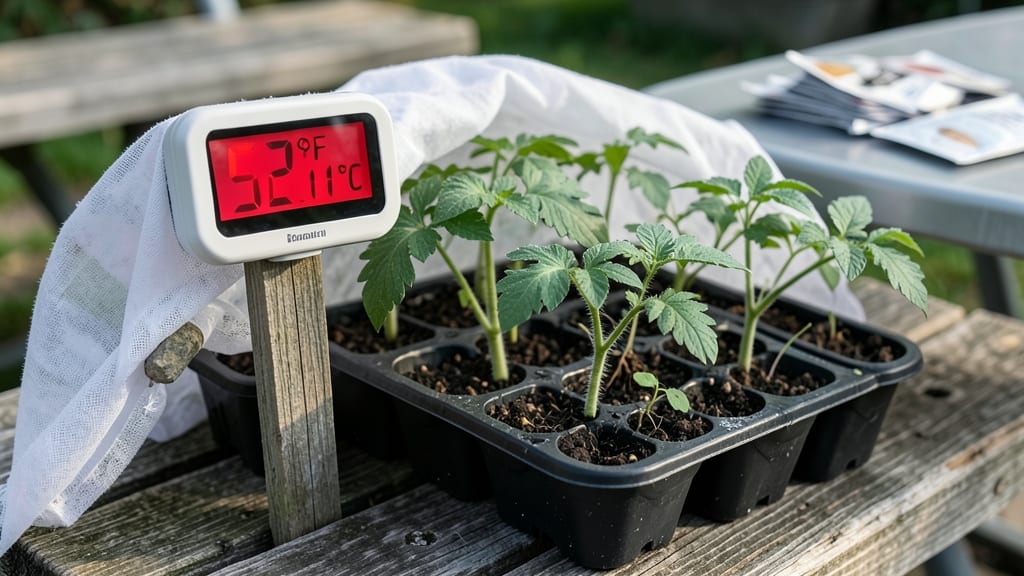
Tomato seedlings can’t survive below 50°F at night—that’s the lowest safe temperature for most varieties, and even then, they’ll struggle without protection.
Picture this: you’ve waited months for those first green sprouts, only to wake up to a 35°F morning. The seedlings look fine, but by noon, the leaves are wilting, the stems feel mushy, and you’re staring at a failed crop before it even started.
It’s a heartbreaking scenario, but one you can avoid with the right timing and tricks.
Not all tomatoes are created equal—some heirloom varieties handle a little chill better than others, while hybrids might need heat mats or row covers to stay safe.
In Zone 6a, where frost lingers until mid-April, knowing the exact thresholds (and how to push them) makes the difference between a thriving 🍅 patch and a sad, stunted mess.
Here’s what you’ll learn: the minimum safe temps for your seedlings, how to spot cold stress before it’s too late, and the simplest ways to shield them—whether you’re starting indoors or braving an early spring transplant.
Minimum safe germination temperatures for tomato seedlings by variety
Tomato seedlings thrive in warmth, but not all varieties handle cold equally. Daytime temperatures between 70-85°F (21-29°C) are ideal for germination, but nighttime dips can spell disaster. Heirloom tomatoes often tolerate cooler temps slightly better than hybrids, while cherry tomatoes may need extra protection.
Understanding these thresholds helps you avoid leggy, weak seedlings or worse—total failure.
Cold stress manifests differently by variety. Hybrid tomatoes like 'Celebrity' or 'Better Boy' often struggle below 50°F (10°C), showing purpling leaves or stunted growth.
Meanwhile, heirloom varieties such as 'Brandywine' or 'Cherokee Purple' might survive brief dips to 45°F (7°C) but with reduced vigor. Cherry tomatoes, including 'Sungold' or 'Sweet 100,' are particularly sensitive and rarely tolerate below 55°F (13°C).
Your USDA hardiness zone plays a critical role. Gardeners in Zones 8-10 can often direct-sow tomatoes in early spring, while those in Zones 4-7 must start seeds indoors or use protective measures. Even in warmer zones, nighttime temperatures below 50°F (10°C) can stunt seedlings, regardless of daytime warmth.
Here’s a quick reference for minimum safe germination temperatures by variety, including day/night thresholds and hardiness zone considerations:
| Variety Type | Daytime Min (°F/°C) | Nighttime Min (°F/°C) | Hardiness Zones | Notes |
|---|---|---|---|---|
| Heirloom (e.g., Brandywine, Cherokee Purple) | 60°F (15°C) | 45°F (7°C) | Zones 5-10 | Slower growth below 55°F (13°C) |
| Hybrid (e.g., Celebrity, Better Boy) | 65°F (18°C) | 50°F (10°C) | Zones 6-10 | Purpling leaves below 50°F |
| Cherry (e.g., Sungold, Sweet 100) | 70°F (21°C) | 55°F (13°C) | Zones 7-10 | Highly sensitive to cold |
| All Varieties | Germination: 70-85°F (21-29°C) | Nighttime: 50°F+ (10°C+) | Zones 5+ with protection | Use heat mats for cooler zones |
For gardeners in Zones 4-5, starting seeds indoors with a heat mat (70-80°F) is essential.
Even after germination, maintain daytime temps above 65°F (18°C) and nighttime temps above 50°F (10°C) to prevent cold stress. Row covers or cloches can extend the safe nighttime range by 5-10°F (3-6°C) in early spring.
If you’re transplanting seedlings outdoors before soil warms to 60°F (15°C), harden them off gradually over 7-10 days. This process acclimates seedlings to cooler temps and reduces shock.
Avoid transplanting when nighttime temps drop below 45°F (7°C), even for heirlooms, as roots struggle to absorb moisture in cold soil.
Microclimates matter! A south-facing wall or black plastic mulch can raise soil temps by 5-10°F (3-6°C), creating a warmer pocket for seedlings. In containers, use black pots to absorb heat during the day and insulate roots at night. These tricks are lifesavers for gardeners in marginal zones.
Monitor your seedlings closely for signs of cold stress, like purpling leaves or stunted growth
How to protect tomato seedlings from early spring chills
Early spring can be a tricky time for tomato seedlings—even a few degrees below their comfort zone can cause irreversible damage. These tender plants thrive when daytime temperatures stay above 65°F (18°C) and nighttime temps remain above 55°F (13°C).
But what happens when your local forecast shows a 40°F (4°C) dip? Don’t panic! With the right strategies, you can shield your seedlings and give them the best shot at survival until warmer weather arrives.
One of the most effective ways to extend your growing season is by using seasonal protection tools. These include lightweight row covers, heat mats, and even simple indoor lighting setups. The key is to mimic their natural tropical environment while gradually preparing them for outdoor conditions.
Let’s break down the best methods to keep your seedlings safe and thriving, even when Mother Nature throws a chill your way.
- Minimum Safe Daytime Temp: 50°F (10°C) – Below this, growth slows dramatically, and seedlings may develop cold stress.
- Critical Nighttime Threshold: 45°F (7°C) – Seedlings can survive brief dips but risk purpling stems or stunted growth if exposed repeatedly.
- Fatal Danger Zone: Below 32°F (0°C) – Ice crystals form in cells, causing irreversible damage within hours.
- Hardening-Off Temp: 55-60°F (13-16°C) – Gradually expose seedlings to these temps for 2-3 hours daily to toughen them up before transplanting.
- Optimal Transplant Temp: 60°F+ (15°C+) – Soil and air temps should stay above this for 7+ days before moving seedlings outdoors permanently.
Start by using row covers or floating row covers made from lightweight fabric like Reemay. These allow sunlight and water to pass through while trapping warmth. For even colder nights, add a mini greenhouse or cloche over individual seedlings.
These create a microclimate that can raise temperatures by 10-15°F (5-8°C), making all the difference when nighttime temps drop.
If you’re starting seedlings indoors, heat mats are a game-changer. Placed beneath seed trays, they maintain a consistent 70-75°F (21-24°C) soil temperature, which is ideal for germination and early growth. Pair this with a grow light on a 14-hour cycle to simulate long summer days.
Just be sure to harden off seedlings gradually before transplanting—exposing them to outdoor conditions for just 1-2 hours daily over a week’s time.
Timing is everything when it comes to transplanting. Wait until your last frost date has passed and soil temperatures are consistently above 60°F (15°C). Use a soil thermometer to check—this is more accurate than air temperature readings.
If your local climate is notoriously cool, consider planting in raised beds or using black plastic mulch to warm the soil faster. These methods can give your seedlings a head start of 1-2 weeks compared to planting in cold ground.
Don’t forget to monitor your seedlings closely for signs of stress, like purpling leaves or slow growth. If you notice these, move them to a warmer spot immediately and adjust your protective measures.
With the right tools and a little patience, you can safely grow strong, healthy tomato seedlings—even in the chill of early spring.