
Pruning
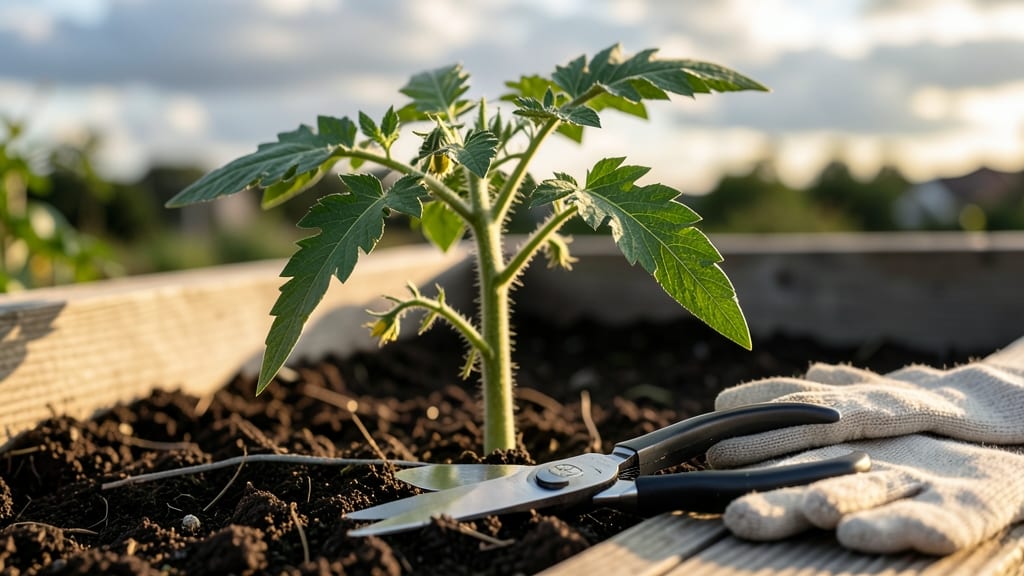
Pruning tomato seedlings isn't as scary as it sounds—just three strategic cuts can turn leggy starts into sturdy, productive plants. 🌱 I learned this the hard way after watching my first batch flop from weak stems, but now I swear by this method to boost yield and plant health.
The secret lies in encouraging strong branching early, which pays off when harvest time rolls around.
You only need basic tools: sharp scissors or pruners (cleaned with rubbing alcohol to prevent disease), and a steady hand. The goal is to remove the lower leaves while keeping the top growth intact—this improves air circulation and reduces disease risk.
Timing matters too: prune when seedlings are about 6 inches tall and have at least two sets of true leaves, not when they're still weak or overcrowded.
What you'll end up with is a tomato plant that's thicker, bushier, and better able to support fruit without toppling over.
The first cut removes the bottom leaves up to about 1/3 of the stem height, the second pinches off the top growth to encourage branching, and the third trims any weak or leggy stems at the base. This method works for both determinate (bush) and indeterminate (vining) varieties.
Even experienced gardeners make mistakes here—like pruning too aggressively or waiting too long. The key is patience and consistency. Once you master these three cuts, you'll see stronger plants that produce 20-30% more tomatoes than unpruned seedlings. Ready to give it a try?
📚 In This Guide
- What you need
- Instructions
- Tips and common mistakes
- Wrapping up and next steps
What you need
- ● Sharp pruning shears or scissors: Clean, sterilized, and with a fine blade (avoid dull tools to prevent crushing stems).
- ● Rubbing alcohol (70% or higher) or bleach solution: For sterilizing tools between cuts (1 part bleach to 9 parts water).
- ○ Gloves (optional but recommended): Nitrile or garden gloves to protect hands from thorns and sap.
- ● Garden twine or plant ties: For supporting stems after pruning (if needed).
- ● Small container or bucket: To collect pruned stems (for composting or disposal).
- ● Watering can or hose with a gentle spray: To hydrate seedlings before and after pruning.
- ● Pruning sealant (e.g., tree wound paint): For larger cuts (though tomatoes typically heal fine without it).
- ● Magnifying glass: To inspect stems for pests or disease before pruning.
- ● Garden journal or notebook: To track pruning dates and plant progress.
- ● Compost bin: For repurposing pruned stems into nutrient-rich compost.
Step-by-step guide to pruning tomato seedlings
Here’s how I prune tomato seedlings to boost growth and yield—no fancy tools or guesswork required.
🌱 Step 1: Wait Until Seedlings Are Strong Enough
Hold off on pruning until your seedlings have 4-6 true leaves (the second set after the initial cotyledons). This ensures they’ve built enough energy to recover quickly. You’ll know they’re ready when the stems are thick as a pencil and leaves are vibrant green—not pale or leggy.
If you prune too early, you risk stunting their growth. I always check for strong roots by gently tugging on the base—if they resist, they’re ready. Avoid pruning in hot afternoons or when soil is waterlogged; seedlings handle stress best in morning sunlight when temperatures are mild.
✂️ Step 2: Pinch Off the Top Set of Leaves
Use clean, sharp scissors (or your fingers) to pinch the top set of leaves just above the second or third true leaf. This encourages the plant to branch out, creating a bushier structure. You’ll see two small leaves growing side-by-side at the top—this is your target spot.
Don’t cut too close to the stem; leave a tiny nub to prevent disease. If you’re unsure, pinch 1/8 inch above the leaf junction. This step is simple but critical—it’s what turns a single stem into a productive plant with multiple fruiting branches.
🌿 Step 3: Remove Lower Leaves for Airflow
Once the plant reaches 12-18 inches tall, strip off the bottom 2-3 sets of leaves (those below the first flower cluster). This improves airflow, reducing humidity around the soil and preventing fungal diseases like early blight. You’ll notice the lower leaves yellowing or touching the ground—these are the ones to go.
Use your fingers to gently twist leaves off (don’t tear the stem). If you’re growing in containers, this also keeps the plant’s center open, so sunlight reaches the core. Skipping this step can lead to crowded, disease-prone plants—trust me, your tomatoes will thank you later.
⏰ Step 4: Prune Regularly as the Plant Grows
After the initial pinch, keep pruning weekly to maintain shape and encourage more branches. Remove any suckers (small shoots growing between the main stem and branches) by pinching them off at the base. These compete with your plant for energy, so the sooner you remove them, the better.
Stop pruning once the plant starts flowering heavily—focus shifts to supporting fruit production. By this point, your tomato should look like a sturdy bush with multiple strong stems instead of a single leggy plant. This is the moment that matters: a well-pruned tomato will yield 2-3 times more fruit than an unpruned one.
Tips & tricks for pruning tomato seedlings
Got your tomato seedlings ready to grow? These simple tricks will help you avoid common pruning mistakes and get the most out of your plants.
Timing is Everything: The 4-6 true leaves rule is your best friend—this is when seedlings have enough energy to bounce back from pruning. I learned this the hard way after accidentally pinching off leaves too early, which left my plants looking sad and stunted. Morning sunlight is your ally here; avoid pruning in hot afternoons when plants are already stressed from heat.
The Technique That Changed Everything: When pinching off those top leaves in Step 2, aim for just above the second or third true leaf—this is where new branches will sprout. The key is to leave a tiny nub (about 1/8 inch) to prevent disease from entering the plant. I use my fingers for this step because they give me better control than scissors, but if you prefer tools, make sure they're clean and sharp.
Airflow and Disease Prevention: Those bottom 2-3 sets of leaves you remove in Step 3 aren't just dead weight—they're disease magnets. By removing them, you're creating better airflow around the plant, which reduces humidity and prevents fungal diseases like early blight. I've seen unpruned plants completely wiped out by this disease, so don't skip this step even if the leaves look healthy.
Weekly Maintenance Wins: The weekly pruning schedule in Step 4 keeps your tomato plants in top shape. I set a reminder on my phone because I tend to forget—removing suckers early prevents them from competing with your main branches. Once flowering starts, shift your focus to supporting those fruit clusters rather than pruning.
Pro Tips for Pruning Tomato Seedlings
- Got your tomato seedlings ready to grow?
- Timing is Everything: The 4-6 true leaves rule is your best friend—this is when seedlings have enough energy to bounce back from pruning.
- The Technique That Changed Everything: When pinching off those top leaves in Step 2, aim for just above the second or third true leaf—this is where new branches will sprout.
Frequently asked questions
Got questions about pruning tomato seedlings?
You’re not alone! Here are answers to the most common concerns—plus pro tips to keep your plants thriving.
When is the best time to start pruning tomato seedlings?
Prune after your seedlings have developed 4-6 true leaves (not just the first seed leaves). This usually happens 3-4 weeks after germination. Early pruning can stress young plants, so wait until they’re sturdy enough to handle the cut. Focus on removing lower leaves near the soil first to encourage upward growth.
How do I know which leaves to prune?
Target yellow, diseased, or lower leaves (below the first flower cluster). Avoid pruning upper leaves that are still green and healthy—they power photosynthesis. For indeterminate varieties, also remove suckers (shoots growing between the main stem and branches) to direct energy to fruit production.
What if I skip pruning—will my tomatoes still grow?
Yes, but yield and size may suffer. Pruning improves airflow, reduces disease risk, and helps the plant focus energy on fruit production instead of excessive foliage. Unpruned plants can become overcrowded, leading to smaller tomatoes or blossom-end rot. Think of it like giving your plant a spa day—less fluff, more flavor!
Can I prune tomato seedlings in hot or cold weather?
Avoid pruning during extreme heat (above 90°F) or cold snaps (below 50°F). Plants under stress heal slower, making them vulnerable to pests or disease. Early morning or late afternoon on mild days is ideal. If you must prune in heat, water the plant first to reduce shock.
What’s an alternative if I don’t have pruning shears?
No shears? No problem! Use clean, sharp scissors, a sterilized knife, or even your fingers (for small suckers). Just ensure your tool is disinfected with rubbing alcohol to prevent spreading disease. For stubborn stems, a twist-and-pull method works too—just avoid tearing the plant.
My tomato seedlings look wilted after pruning—what went wrong?
Wilt can mean over-pruning or stress. If you removed too much foliage (more than 1/3 of the plant at once), give it time to recover. Water deeply and avoid fertilizing for a week. If leaves turn yellow or black, you may have damaged the stem—trim back further and monitor for pests.
Wrapping up and next steps
Pruning your tomato seedlings might seem intimidating at first, but with just three simple cuts, you’re well on your way to a bountiful harvest! 🌱 The key is timing, technique, and confidence—your plants will thank you with stronger stems, better airflow, and more energy for fruit production.
Remember, every expert gardener started with their first snip.
Now that you’re armed with knowledge, grab those shears and give your seedlings a little TLC. Ready to watch your garden thrive? Start pruning today! 🌟