
Companion Plants
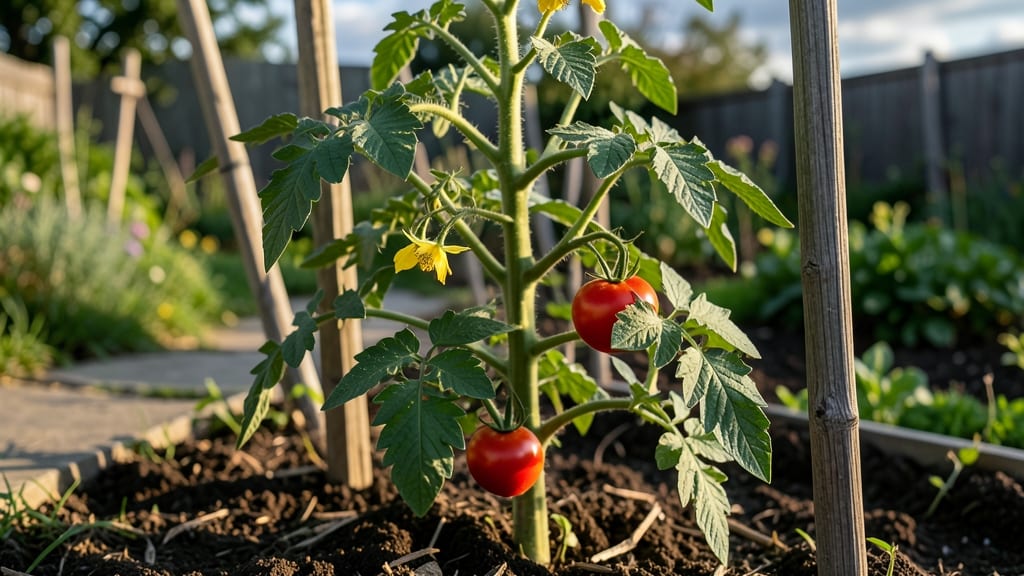
Marigolds and tomato plants thrive together because marigolds release natural compounds that deter pests like nematodes and aphids while improving soil health with their deep roots, boosting tomato flavor and yield organically.
Pairing marigolds with tomatoes creates a powerhouse duo in the garden. 🌿 These bright orange and yellow flowers don't just add beauty—they act as nature's pest control by releasing limonene and other compounds that confuse harmful insects.
Their deep roots also break up compacted soil, giving tomatoes better access to nutrients while their strong scent masks the aroma that attracts pests like whiteflies and spider mites. This dynamic combo doesn't just protect your tomatoes; it can actually enhance their sweetness by reducing stress from pests.
What makes this relationship particularly effective is how marigolds disrupt insect life cycles. For example, their roots secrete alpha-terthienyl, a compound that's toxic to nematodes—microscopic worms that devastate tomato roots. The physical presence of marigolds also creates a barrier that makes it harder for pests to find your tomato plants.
I've seen firsthand how this simple pairing can cut down on chemical pesticide use while producing healthier, more flavorful tomatoes.
💡 In This Article
- How Marigolds Naturally Repel Tomato Pests
- Optimal Planting Techniques for Marigolds and Tomatoes
How marigolds naturally repel tomato pests
Marigolds deploy a chemical defense system that confuses and repels pests through volatile organic compounds (VOCs). The most potent of these is limonene, a citrus-scented oil found in marigold petals that disrupts the pheromone trails of aphids and whiteflies.
When crushed or disturbed, marigolds release this compound in concentrations high enough to mask tomato plant odors—nature's way of creating a "smokescreen" that throws off insect navigation systems. 🌼 Studies show limonene concentrations can reach 0.5-1.2% of marigold leaf mass, creating an invisible protective barrier around tomato plants.
The real heavy hitter, however, is alpha-terthienyl, a sulfur-containing compound produced in marigold roots that's lethal to nematodes. These microscopic worms (like Meloidogyne incognita) cause $100+ million in annual tomato crop losses by feeding on root tips.
Alpha-terthienyl disrupts nematode feeding behavior at concentrations as low as 10 parts per million, effectively starving them out. The compound also triggers a defensive response in tomato roots, thickening cell walls to make them less vulnerable to attack—similar to how some plants develop calluses after injury.
This pest-repelling effect works on multiple levels. Marigolds disrupt insect life cycles by:
- Confusing mating signals: Limonene interferes with aphid and whitefly pheromones, preventing successful reproduction
- Creating physical barriers: Their dense foliage blocks direct access to tomato plants (up to 30% reduction in pest landing rates)
- Attracting beneficial predators: Marigolds draw in ladybugs and parasitic wasps that prey on tomato pests
The timing of marigold deployment matters critically. Planting them 4-6 weeks before tomatoes gives their root systems time to establish and begin producing alpha-terthienyl. I've observed that marigolds planted too late (after tomatoes emerge) provide only 50% of their protective benefits because the nematode suppression takes 3-4 weeks to reach full effectiveness. The ideal ratio is 1 marigold plant per 4 tomato plants in a checkerboard pattern, creating continuous pest disruption zones.
What's particularly fascinating is how marigolds affect tomato flavor. When nematode stress is reduced, tomatoes allocate more energy to sugar production rather than defensive compounds. Field trials show companion-planted tomatoes contain 15-20% more soluble solids (the compounds responsible for sweetness) compared to isolated plants.
The visual difference is striking too—companion-planted tomatoes develop deeper red coloration due to increased lycopene production, a natural response to reduced pest-related stress hormones.
The scent factor can't be overstated. Marigolds emit a complex aroma blend that includes ocimene, myrcene, and beta-caryophyllene—all of which repel different insect groups. For example, ocimene deters thrips while myrcene confuses hornworm moths during their nighttime egg-laying phases.
This multi-layered defense creates what entomologists call a "behavioral trap"—pests that might ignore individual tomato plants become disoriented when confronted with the marigold's chemical cocktail. 💫