
Planting
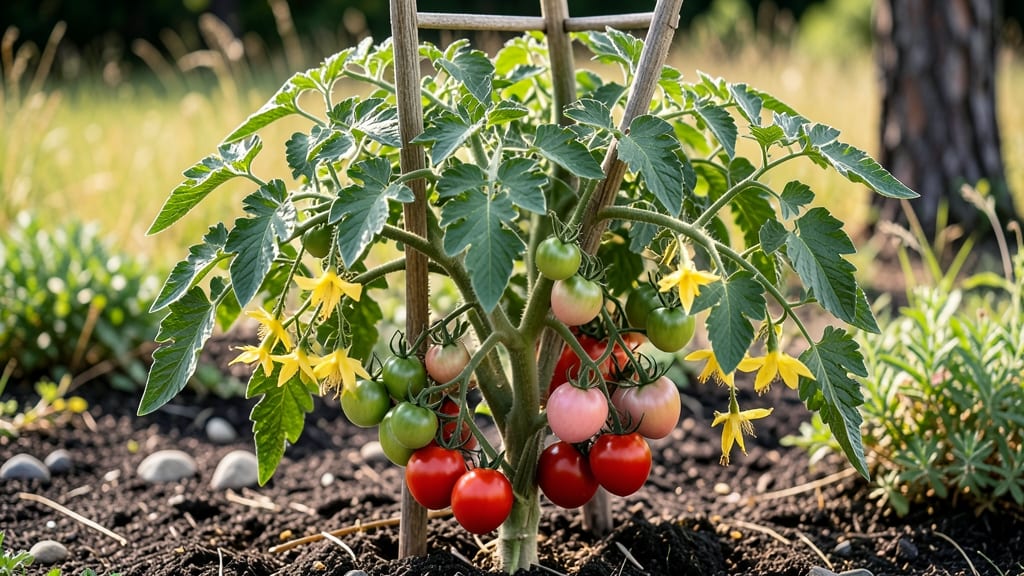
A mature tomato plant 🍅 is the backbone of your summer garden—when pruned right, it can produce 50% more fruit while staying strong through heat and rain.
But here’s the catch: most gardeners either prune too much (stressing the plant) or too little (letting it sprawl with fewer tomatoes). The difference between a bushy mess and a high-yielding powerhouse often comes down to a few simple cuts made at the right time.
Whether you’re growing indeterminate vines that climb or determinate bushes that stay compact, I’ll show you exactly which branches to snip, when to stop, and how to avoid the three biggest pruning mistakes that kill yields.
By the end, you’ll know how to keep your tomato plant thriving—no guesswork, just more tomatoes with less effort.


How to prune mature tomato plants for maximum fruit production
Pruning your mature tomato plant isn't just about trimming back—it's about directing energy into fruit production. Indeterminate varieties like Sungold or Brandywine grow continuously, while determinate types like Roma produce all at once. Understanding these differences is key to maximizing your harvest without stressing the plant.
The right cuts at the right time can increase yields by 30-50%, but timing and technique matter more than you might think.
Before you grab your pruners, know this: over-pruning weakens the plant, while under-pruning leads to crowded foliage and disease. The goal is to balance airflow, sunlight exposure, and energy allocation to the fruit.
Start by identifying your plant type—indeterminate tomatoes need regular pruning, while determinate varieties rarely require it. This distinction will guide every cut you make.
Step-by-Step Pruning Guide for Mature Tomato Plants
Determinate: Bushy, single harvest. Indeterminate: Vining, continuous harvest.
Sanitize pruners with rubbing alcohol to prevent disease spread.
Remove suckers (shoots in leaf axils) weekly. Keep 3-4 main stems.
Only remove diseased/damaged leaves. Never trim main stems.
1/4 inch above leaf node. Prevents water pooling.
Allows cuts to dry before evening moisture increases disease risk.
For indeterminate varieties, focus on removing suckers—those small shoots that grow between the main stem and branches. These compete for nutrients, so pinch them off early.
Leave 3-4 main stems to support fruit weight and improve airflow. If you're growing heirloom tomatoes, this method helps prevent cracking by reducing sudden fruit loads.
Determinate tomatoes, like Celebrity or Better Boy, don't need pruning beyond removing yellow or diseased leaves. These plants produce all their fruit at once, so trimming can reduce yield.
Instead, focus on staking or caging to support the weight. The key is to let the plant direct all its energy to fruit production without interference.
Timing is everything. Prune indeterminate tomatoes throughout the growing season, but avoid heavy cuts after mid-July in cooler climates. Late-season pruning can delay ripening. For determinate varieties, minimal pruning is best—just remove anything that looks sick.
Always prune on dry, sunny days to help cuts heal faster and reduce disease risk.
One common mistake is pruning too aggressively. If you remove more than 30% of the foliage at once, the plant struggles to recover. Another is cutting too close to the stem, which can damage the plant's vascular system.
Always leave a small stub (about 1/4 inch) to prevent infection. Think of pruning as shaping the plant, not hacking it back.
After pruning, monitor your plant closely. You might see new suckers sprout within days—remove these promptly to avoid competition. For container-grown tomatoes, prune slightly less aggressively since space is limited.
The goal is to keep the plant balanced, with enough leaves for photosynthesis but not so many that airflow suffers.
Pro tip: Save your pruned branches! Many can be rooted in water to propagate new plants. Just place the cuttings in a jar of water and wait for roots to form. This is a great way to expand your tomato garden without spending money on new plants.
Plus, it’s a satisfying way to see the results of your pruning efforts grow into something new.
Remember, pruning is a season-long process, not a one-time task. Check your plants weekly for new suckers or diseased leaves. With practice, you’ll develop a rhythm that keeps your tomatoes thriving and your harvests abundant.
The more you prune, the more intuitive it becomes—your plants will thank you with juicier, healthier fruit all season long.
🌱
Pruning mistakes that kill tomato yields (and how to fix them)
Even with a mature tomato plant thriving in your garden, poor pruning habits can silently sabotage your harvest. I’ve seen indeterminate varieties like 'Sungold' produce just 20% of their potential because of avoidable pruning errors.
The key is balance—too much or too little cuts back your fruit production while inviting pests and diseases.
One of the most common mistakes is pruning at the wrong time. Cutting into a flower cluster or young fruit can reduce yields by up to 40%.
Even well-intentioned gardeners often prune during heatwaves or drought, stressing the plant when it’s already struggling to set fruit. Timing matters more than you might think.
⚠️ Critical Pruning Mistakes
Over-pruning: Removing more than 1/3 of foliage at once weakens photosynthesis. Indeterminate varieties need leaves to feed developing fruit.
Under-pruning: Letting plants get overcrowded leads to poor air circulation, inviting blight and pests. Prune to open the canopy.
Improper cuts: Jagged cuts or leaving stubs slow healing and attract disease. Always cut just above a leaf node at a 45-degree angle.
Let’s fix these mistakes starting with over-pruning. I once saw a heirloom tomato plant stripped down to its main stem—it never recovered and produced only 12 tomatoes instead of the expected 50.
The solution? Prune gradually, removing only 1-2 suckers per week during peak growth. This keeps the plant’s energy focused on fruit production.
On the flip side, under-pruning creates its own problems. A determinate variety like 'Roma' left unpruned will produce small, sun-scorched tomatoes because the center stays too shaded.
For these types, focus on removing lower leaves to improve airflow and support structures to prevent sprawl. Even a few strategic cuts can boost yields by 25%.
Improper cuts are another silent yield killer. I’ve noticed gardeners often leave stubs or make tear cuts, which invite fungal infections like early blight. Always use clean, sharp pruners and cut 1/8-inch above a leaf node.
For large branches, make a 45-degree angle to increase the surface area for faster healing. This small detail can mean the difference between a healthy plant and one struggling with disease.
To recover from pruning mistakes, start with organic recovery steps. For over-pruned plants, apply a balanced fertilizer (like 10-10-10) and increase watering slightly to reduce stress. Under-pruned plants benefit from thinning fruit clusters to reduce competition.
If you’ve noticed disease at pruning sites, spray with a copper fungicide and remove any infected leaves immediately. With the right care, even a poorly pruned plant can bounce back and produce a bountiful harvest.