
Companion Plants
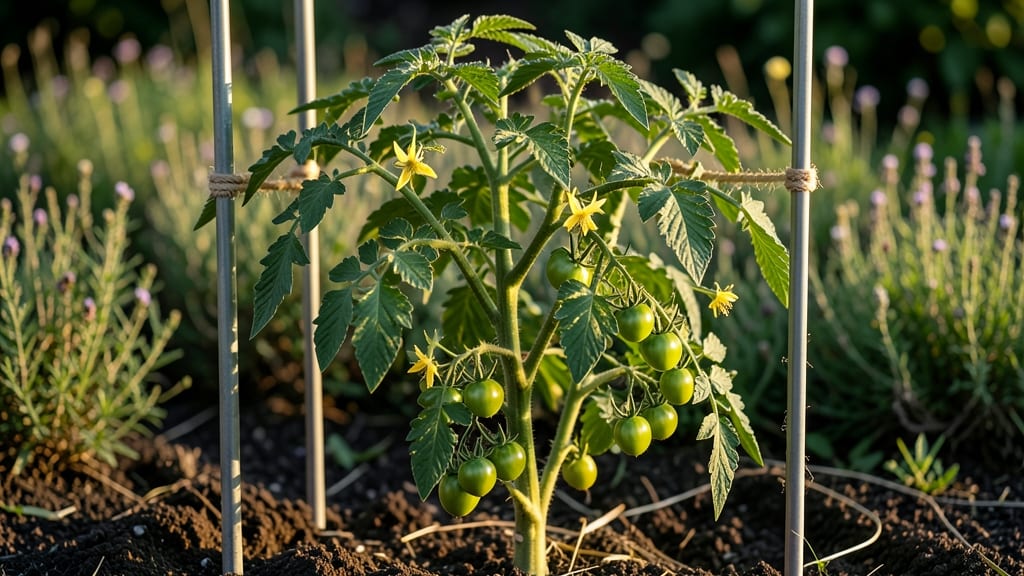
Metal stakes for tomato plants are the unsung heroes of a bountiful harvest—turning sprawling vines into vertical powerhouses that produce more fruit with less space. 🌱 I learned the hard way that flimsy wooden stakes bend under 10-pound tomatoes, while sturdy metal ones hold firm through wind and rain.
The difference? Fewer broken stems, cleaner fruit, and plants that keep growing instead of flopping over by midsummer.
You’ll need stakes tall enough to support your tomato variety—6 to 8 feet for indeterminate types—and spaced 18 to 24 inches apart in the row.
Drive them in at planting time, but don’t hammer them all the way down; leave 4 to 6 inches exposed so you can adjust as the plant grows.
The key is securing the main stem without crushing it, using soft ties or fabric strips that won’t dig into the bark as the vine thickens.
By midseason, your tomatoes will be climbing like jungle vines, and the stakes will be working double-time—keeping fruit off the ground, improving airflow, and making harvesting a breeze. The payoff? Cleaner, riper tomatoes that stay disease-free longer, plus a garden bed that looks neat instead of a tangled mess.
Even my black thumb can’t mess this up once the stakes are in place.
Pro tip: If your stakes are too short, extend them with wire or additional stakes tied together—just make sure the connection is snug. And if you’re worried about rust, choose galvanized metal or powder-coated stakes; they’ll last 5+ years with minimal upkeep.
Now go stake those plants before they outgrow your old supports!
📚 In This Guide
- What you need
- Instructions
- Tips and common mistakes
- Wrapping up and next steps
What you need
- ● Metal stakes: Galvanized or powder-coated steel stakes (1–2 inches in diameter, 4–6 feet tall). Quantity: 1 stake per 2–3 tomato plants (e.g., 10 stakes for 20 plants).
- ● Tie-down supplies: Soft plant ties (fabric or plastic, 12–18 inches long) – 10–20 ties per 10 stakes.
- ● OR twist ties (reusable, 6–8 inches long) – 5–10 ties per stake.
- ○ Garden tape or zip ties: (Optional) For securing stakes to the ground if needed.
- ● Garden gloves: To protect your hands while handling stakes or ties.
- ○ Hammer or mallet: (Optional) For driving stakes into hard soil.
- ● Measuring tape: To ensure stakes are spaced 18–24 inches from plants.
- ○ Pruners: (Optional) For trimming excess ties or stakes.
- ● Sunny spot: Tomato plants need 6–8+ hours of sunlight daily—pick a location with full sun!
- ● 💡 Pre-drill holes in stakes if using heavy-duty ties for easier installation.
- ● 🌡️ Check soil moisture before staking—waterlogged soil can make driving stakes tricky!
- ● ✨ Paint or label stakes if using in a shared garden to avoid mix-ups.
How to install metal stakes for tomato plants
Here’s the straightforward method I’ve used for years to keep tomatoes growing strong and upright.
🪴 Step 1: Choose the Right Stakes and Tools
For 4 tomato plants, grab 4 metal stakes (at least 6 feet tall—taller if your variety grows big). I like T-post style stakes because they’re rigid and won’t bend when vines get heavy. You’ll also need a mallet or hammer, garden gloves, and twine or soft plant ties (avoid wire—it cuts into stems).
Check the stakes for sharp edges—file them down if needed, or wear gloves to protect your hands. The stakes should be thicker than ¼ inch to handle wind and fruit weight without bending. If your soil is rocky, bring a shovel to dig deeper holes.
✂️ Step 2: Position and Plant the Stakes
Install stakes at planting time or when seedlings are 4-6 inches tall. Drive the stake 2-3 inches deep into the soil, about 2 inches from the plant stem (not right next to it—you want room for the vine to grow around it). Use a mallet for firm soil or a shovel to tap it in for loose dirt.
Hold the stake straight up and tap it firmly until it won’t budge. You want it stable enough that it won’t wobble when you push it. If your soil is sandy, dig the hole 1 inch deeper and fill it with water to help compact the soil around the stake.
🌱 Step 3: Secure the Plant as It Grows
When your tomato plant reaches 12-18 inches tall, gently weave the main stem around the stake and tie it loosely with twine or soft ties. Don’t pull it tight—you want the plant to grow upward naturally. I like to make a figure-eight loop around the stem and stake, leaving room to adjust as the plant grows.
Re-tie the plant every 7-10 days as it grows taller. Watch for new suckers (side shoots) and weave those around the stake too—they’ll help distribute weight and prevent the main stem from snapping. Avoid tying too tightly; you should be able to slip a finger between the twine and the stem.
☀️ Step 4: Maintain Stability Through the Season
After the first heavy rain or wind, check your stakes for looseness. If a stake feels unstable, dig around it and pack the soil firmly with your hands or a mallet. For determinate tomatoes (bush types), you can stop staking once the plant stops growing—usually by mid-summer. For indeterminate varieties (vining types), keep staking until frost.
If your tomato vines get too heavy and start pulling the stake, add a second stake on the opposite side of the plant. Tie both stakes together with twine to create a triangle support—this distributes weight and keeps the plant upright even with large fruit loads.
⏰ Step 5: Remove Stakes at Season’s End
After the first frost or when the plant dies back, remove the stakes before winter. Pull them straight up to avoid damaging roots. If you’re reusing stakes, clean them with a 10% bleach solution (1 part bleach to 9 parts water) to kill any fungal spores. Store them in a dry place until next season.
Here’s the thing—don’t rush staking. If you wait until the plant is already leaning, it’ll struggle to recover. Start early, and your tomatoes will reward you with stronger stems, better air circulation, and bigger fruit.
Tips & tricks for sturdy tomato plant support
These simple tricks will help you avoid common mistakes and keep your tomato plants thriving all season long.
Stake Selection Matters: Don't skimp on stake thickness—thinner stakes bend easily under the weight of heavy tomato fruit. I've seen ¼-inch diameter stakes snap when vines get laden with tomatoes. Look for T-post style stakes with a flat back that sits against the plant for better stability. If you're growing indeterminate varieties that grow 8+ feet tall, consider 7-8 foot stakes instead of the standard 6 feet.
Timing is Everything: Install stakes at planting time or when seedlings are just 4-6 inches tall. Waiting until plants are taller makes them more vulnerable to wind damage and makes it harder to get stakes deep enough. I've learned the hard way—plants that lean before staking often develop weak stems that never fully recover. For container-grown tomatoes, install stakes when you transplant the plant to its pot.
Tying Technique: When securing your plant to the stake at the 12-18 inch mark, use a figure-eight loop that leaves room to adjust. Too-tight ties can actually strangle the stem as it grows. I like to make the loop loose enough that I can slip a finger between the twine and the stem. For extra stability, weave suckers around the stake too—they help distribute weight and prevent the main stem from snapping under heavy fruit loads.
Season-Long Maintenance: After the first heavy rain or wind, check all stakes for looseness. Sandy soil? Dig the hole 1 inch deeper than specified and pack it firmly with water to help compact the soil around the stake. For indeterminate varieties, keep staking until frost—these vines keep growing all season! If you notice a stake leaning, dig around it and pack more soil to stabilize it before it becomes a problem.
Pro Tips for Metal Stakes For Tomato Plants
- These simple tricks will help you avoid common mistakes and keep your tomato plants thriving all season long.
- Stake Selection Matters: Don't skimp on stake thickness—thinner stakes bend easily under the weight of heavy tomato fruit.
- Timing is Everything: Install stakes at planting time or when seedlings are just 4-6 inches tall.
Frequently asked questions
Got questions about using metal stakes for your tomato plants? You’re not alone! Here are some of the most common concerns—and their answers—to help you grow like a pro.
What’s the best time to install metal stakes for tomato plants?
Plant your stakes before transplanting seedlings into the ground—ideally 3–4 weeks ahead. This gives the metal time to settle into the soil and prevents root disturbance later. If you’re retrofitting, insert stakes gently to avoid damaging roots, then secure vines with soft ties as they grow.
Can I reuse metal stakes from last year?
Metal stakes are durable and rust-resistant (if galvanized or coated). Clean them with a vinegar-soapy solution, scrub off old plant residue, and store them in a dry place over winter. Just ensure they’re free of sharp edges or bends before reuse.
What’s the best height for metal stakes?
Aim for stakes that are 6–8 feet tall for indeterminate tomato varieties (they keep growing!) and 4–5 feet for determinate types. Bury at least 1/3 of the stake’s length underground for stability. Pro tip: Use a mallet or hammer for even insertion—no need to force it!
Are there alternatives to metal stakes?
Yes! Consider:
- Bamboo stakes: Eco-friendly and lightweight, but may rot faster.
- Wooden dowels: Cheap and biodegradable, but require frequent replacements.
- Cattle panels or trellises: Great for heavy vines but need more space.
- Reusable fabric cages: No digging required, but less sturdy for giant plants.
Metal stakes win for longevity and strength, though!
Why are my tomato plants leaning or falling over despite stakes?
Check these common issues:
- Loose stakes: Reinsert deeper or add a second stake for support.
- Ties too tight: Use soft fabric strips (not wire!) and adjust as vines thicken.
- Weak roots: Water consistently and side-dress with compost to boost vigor.
- Heavy fruit load: Prune lower leaves to reduce weight and improve airflow.
If the problem persists, consider upgrading to a taller stake or adding a second support.
Wrapping up and next steps
Using metal stakes for tomato plants is a game-changer for gardeners aiming for bountiful, healthy harvests! 🌱 These sturdy supports not only keep your vines upright but also prevent disease and maximize space—letting you grow more tomatoes in less room.
With the right setup, you’ll enjoy stronger plants, easier maintenance, and a garden that’s the talk of the neighborhood.
Ready to get started? Grab your stakes, gather your tools, and give your tomatoes the support they deserve! Whether you’re a seasoned gardener or a beginner, this simple upgrade will transform your tomato-growing experience. Happy planting! 🌿