
How To
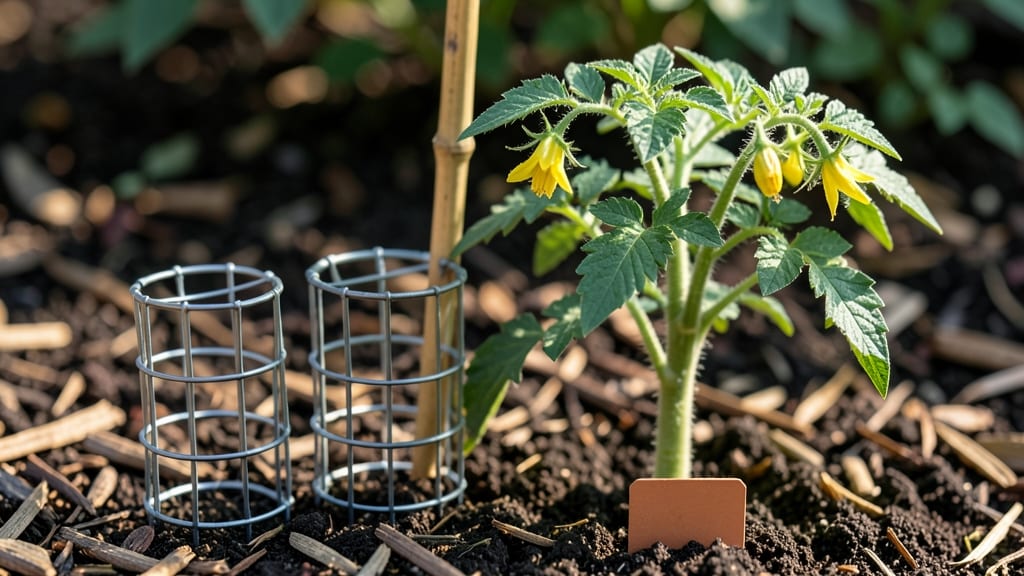
My miniature tomato cages transformed my cramped balcony into a productive tomato paradise—no more sprawling vines or wasted space. 🌱 These compact supports let you grow full-sized tomatoes in containers as small as 5-gallon pots, turning even a tiny patio into a harvest zone.
The key is choosing the right size (12-18 inches tall) and placing them early before vines get unruly.
What makes these cages a game-changer is how they free up space for companion plants. I tuck basil, peppers, or lettuce around the base while the tomatoes climb upward, maximizing every square inch.
The lightweight metal or plastic designs won’t topple in wind, and they fold flat when storage space is tight—perfect for renters or small urban gardens.
By mid-summer, you’ll watch those first red tomatoes blush above your head, easy to reach without bending. The cages even work for peppers, beans, or cucumbers if you’re feeling adventurous. Just stake them securely and watch your vertical garden grow—literally and figuratively.
Pro tip: Pair them with trellis grids for extra stability or stack them in groups to create a living room divider. The possibilities for small-space gardening are endless once you start thinking vertically. Ready to reclaim your balcony?
What Triggers Tomato Plant Struggles
Miniature tomato cages are designed to support compact plants, but even with the right setup, your tomatoes may still face common issues like weak stems, stunted growth, or poor fruit production.
Understanding the root causes—whether biological, environmental, or structural—helps you address problems before they escalate. Below, we break down the science behind why these issues occur, so you can take targeted action.
Tomatoes, even dwarf varieties, need structural support to grow upright. If the cage is too small, flimsy, or improperly installed, the plant will struggle to hold its weight.
- Why it happens: - Insufficient height/width: Miniature cages often max out at 12–18 inches, but indeterminate tomatoes (even compact types) can grow taller or sprawl wider.
A cage that’s too short forces the plant to bend, leading to stem breakage or blossom end rot (from uneven water distribution). - Weak materials: Cheap plastic or wire cages may bend or collapse under the weight of vines or fruit.
This causes abrasions on stems, inviting fungal infections like early blight. - Improper installation: Cages buried too shallowly or left loose wobble in wind, stressing the plant’s anchor roots.
- Actionable fix:
- Choose cages with 50% more height/width than your plant’s projected size (check seed packets).
- Opt for galvanized steel or sturdy PVC cages—they resist bending and last years.
- Secure cages tightly to stakes or a trellis for extra stability.
Tomatoes are 95% water by weight, and their roots need consistent moisture—but too much or too little throws off nutrient uptake and growth.
- Why it happens: - Overwatering: Soggy soil drowns roots, cutting off oxygen and triggering root rot (caused by Phytophthora fungi).
This weakens the plant’s ability to absorb nutrients, leading to yellowing leaves and dropped blossoms. - Underwatering: Shallow watering or irregular schedules cause wilting and blossom drop.
The plant prioritizes survival over fruit production, leading to small, underdeveloped tomatoes. - Poor drainage: Compacted or clay-heavy soil holds excess water, suffocating roots.
Miniature cages in containers exacerbate this since pots dry out faster but also trap moisture if not drained properly. - Nutrient imbalance: Over-fertilizing with nitrogen (e.g., lawn fertilizer) promotes leafy growth at the expense of fruit.
Conversely, calcium deficiency (common in acidic soils) causes blossom end rot, where fruit tips turn black and mushy.
- Actionable fix:
- Water deeply 1–2 times weekly (check soil moisture 1 inch below the surface—it should be damp but not soggy).
- Use self-watering pots or drip irrigation for consistency.
- Amend soil with compost and gypsum (for calcium) before planting.
- Avoid wetting leaves (water at the base) to prevent fungal diseases like powdery mildew.
Tomatoes thrive in full sun (6–8 hours daily) and warmth (70–85°F), but miniature cages in balconies or containers are more vulnerable to heat stress, cold snaps, or shade.
- Why it happens: - Insufficient light: Shade from buildings, trees, or nearby plants stunts photosynthesis, leading to pale, leggy stems and small, tasteless fruit.
Compact cages in north-facing balconies are especially prone to this. - Heat stress: Temperatures above 90°F cause blossom drop (flowers abort before fruiting) and sunscald (white/yellow patches on fruit). - Cold damage: Below 50°F, tomatoes stop growing, and below 32°F, cells rupture, killing the plant.
Miniature cages in open balconies are exposed to temperature swings at night. - Wind exposure: Unshielded cages desiccate leaves (like paper drying out), leading to brown edges and reduced photosynthesis.
- Actionable fix:
- Place cages in the sunniest spot possible (south or west-facing).
- Use reflective mulch (white gravel or aluminum foil) to bounce light onto plants.
- Shade cloth (30–50%) during heatwaves to protect flowers.
- Move pots indoors at night if frost is forecast, or use frost cloth for overnight protection.
- Group cages together to create a microclimate that reduces wind damage.
Miniature tomato cages concentrate plants in small spaces, making them magnets for pests and pathogens that spread rapidly.
- Why it happens: - Pests: Aphids, spider mites, and whiteflies thrive in crowded containers and sap-sucking weakens plants, causing stunted growth and curled leaves.
Hornworms devour leaves and fruit overnight. - Fungal diseases: High humidity in containers (from poor airflow) fuels early blight (brown spots on leaves) and powdery mildew (white fuzzy coating). Root rot spreads quickly in wet, compacted soil. - Bacterial issues: Xanthomonas or Pseudomonas bacteria cause leaf spots or wilting (bacterial wilt), often entering through damaged stems (e.g., from wind or poor support).
- Actionable fix:
- Inspect plants weekly for pests—knock cages gently to dislodge aphids or spray with neem oil (1 tsp per quart of water).
- Prune lower leaves to improve airflow and remove diseased foliage immediately.
- Rotate cages occasionally to prevent soil-borne diseases from building up.
- Use row covers early in the season to block pests before they infest.
Tomatoes need proper pruning and training to maximize air circulation, sunlight, and energy for fruit production—not just leaves.
- Why it happens:
- Over-pruning: Removing too many leaves reduces the plant’s ability to photosynthesize, leading to weak stems and small fruit.
- Under-pruning: Letting the plant get too bushy creates shady spots where humidity lingers, inviting fungal diseases.
- Poor training: Not tying vines to the cage causes sprawling growth, which blocks sunlight to lower leaves and traps moisture.
- Succession issues: Pinching off too many suckers (side shoots) early can delay fruiting, while leaving them unchecked crowds the plant.
- Actionable fix:
- Prune strategically: Remove suckers (shoots in the leaf axils) only up to the first flower cluster to balance growth and fruit.
- Train vines upward: Gently weave new growth through cage openings and secure with soft ties (old T-shirts work).
- Focus on fruit zones: Prioritize removing leaves below the first flower cluster to improve airflow and sunlight to developing tomatoes.
Fixing Common Cage & Plant Problems
Growing tomatoes in miniature tomato cages is rewarding, but issues like weak supports, tangled vines, or pests can derail your harvest. The good news? Most problems have simple, practical fixes—whether you’re dealing with flimsy cages, overgrown plants, or critters crashing your party.
Below, we’ll tackle the most common challenges with step-by-step solutions and prevention tips to keep your balcony garden thriving.
Cause: Cheap materials, wind exposure, or cages too small for your plant’s growth.
How to Fix It:
- 🔥 Reinforce the Cage If your cage bends under the weight of vines or fruit, wrap it with garden twine or zip ties for extra stability. For extra support, add stakes inside the cage and loosely tie the main stems to them as they grow.
- 🍳 Upgrade Your Cage If your current cage is consistently flopping, invest in a heavier-duty model (like powder-coated metal or sturdy plastic) or a tomato trellis for larger varieties. For cherry tomatoes, smaller cages (12–18 inches tall) work better.
- 👨🍳 Secure the Base Bury the cage 6–8 inches deep or weigh it down with rocks or bricks to prevent toppling in windy conditions.
💡 Prevention Tip: Choose cages 1–2 feet taller than your expected plant height (e.g., 24-inch cages for indeterminate varieties). Pro Tip: 🌡️ Avoid overwatering—soggy soil weakens stems, making cages work harder!
Cause: Rapid growth outpacing cage size, or vines spiraling too tightly.
How to Fix It:
- 🔪 Prune Strategically Use clean pruning shears to trim suckers (small shoots in the leaf axils) and overly long vines. Focus on keeping 1–2 main stems per cage for better airflow and support.
- 🥘 Guide Vines Gently If vines are escaping, loop them back into the cage with soft ties (avoid wire—it can damage stems). For stubborn escapees, weave them through the cage’s top to encourage upward growth.
- ⏰ Thin Out Fruit Load Too many tomatoes = too much weight. Remove smaller or lower fruits to let the plant focus on fewer, larger tomatoes.
💡 Prevention Tip: Train vines early! 🎯 Start guiding vines into the cage within the first 2–3 weeks of growth. Pro Tip: ✨ Use a fan on low setting near plants to strengthen stems naturally.
Cause: Aphids, whiteflies, hornworms, or even squirrels eyeing your ripe tomatoes.
How to Fix It:
- 🔥 Manual Removal (Best for Hornworms & Large Pests) Handpick hornworms (look for green caterpillars with white stripes) and drop them in soapy water. Squish aphids with your fingers or spray with a strong stream of water.
- 🍳 Organic Sprays Mix 1 tsp neem oil + 1 tsp dish soap + 1 quart water in a spray bottle. Test on a few leaves first, then spray early morning or evening to avoid harming bees.
- 👨🍳 Physical Barriers Cover cages with floating row covers (lightweight fabric) to block flying pests. For squirrels, surround the cage with chicken wire or use hot pepper spray (mix cayenne pepper + water).
💡 Prevention Tip: Encourage beneficial insects! 🌿 Plant basil, marigolds, or dill nearby to attract ladybugs and lacewings, which devour tomato pests. Pro Tip: 🔥 Inspect leaves daily—catch pests early before they multiply!
Cause: Metal cages left in wet conditions or exposed to harsh weather.
How to Fix It:
- 🔪 Clean & Dry Scrub the cage with a wire brush and vinegar-water mix (1:1 ratio) to remove rust. Let it dry completely in sunlight before reuse.
- 🍳 Seal with Protective Coating Spray with rust-inhibiting paint (like porch & floor paint) or coat in linseed oil for a natural barrier.
💡 Prevention Tip: Elevate cages off the ground with plastic saucers or bricks to prevent moisture buildup. Pro Tip: ✨ Store cages indoors during winter or rainy seasons if possible.
Need a fast fix? Check this cheat sheet:
| Problem | Quick Fix | Prevent Next Time |
|---|---|---|
| Cage toppling over | Bury deeper + add weights | Choose taller cages upfront |
| Vines breaking through | Prune & retrain growth | Train vines early |
| Aphids/whiteflies | Spray neem oil or blast with water | Plant pest-repelling herbs |
| Rusty metal cage | Scrub + seal with paint/oil | Elevate cage & store dry |
Final Thought: Most miniature tomato cage woes are fixable with a little pruning, reinforcing, and pest vigilance. By addressing issues early and adjusting your setup, you’ll enjoy bushier plants, heavier yields, and fewer headaches—all while saving space on your balcony! 🍅✨
Frequently asked questions
What's the best height for miniature tomato cages?
For most compact tomato varieties, choose 12–18 inch cages—ideal for 5-gallon containers. If growing indeterminate types (like 'Sungold' cherry tomatoes), opt for 24-inch cages to accommodate their climbing habit. Always select a cage at least 6 inches taller than your plant's projected height to prevent overcrowding.
Can I use miniature cages for other plants besides tomatoes?
These versatile supports work perfectly for peppers, cucumbers, or beans. For cucumbers, add a soft tie every 12 inches to prevent sprawling. Just avoid heavy vines like pumpkins—they'll topple even sturdy cages.
How do I prevent miniature cages from tipping over?
Bury the cage 6–8 inches deep or anchor it with rocks/bricks at the base. For windy areas, add internal stakes and tie the main stem to them. Grouping cages together creates stability through shared weight distribution. Pro tip: Use galvanized steel cages—they resist bending better than plastic.
What's the best way to clean and store miniature cages?
After harvest, scrub cages with a vinegar-water mix (1:1 ratio) to remove debris. For metal cages, spray with rust-inhibiting paint before storing. Stack them vertically in a dry place or disassemble plastic models for compact storage. Elevate them off the ground to prevent moisture buildup during off-seasons.
How many tomato plants can I grow in one miniature cage?
One cage per plant is ideal for optimal airflow and sunlight. If space is extremely limited, you can fit two small plants (like 'Tiny Tim' tomatoes) in a 24-inch cage, but this may reduce yield. Avoid overcrowding—it invites pests and fungal diseases.