
Companion Plants
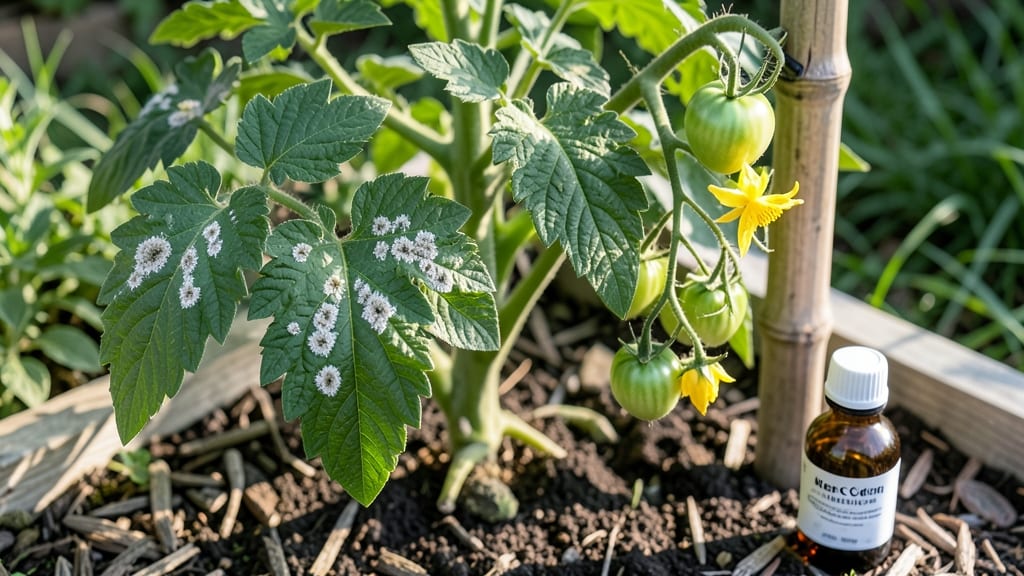
If your tomato plant has white spots on the leaves, don’t panic—this is a clear (but fixable) sign your plant needs urgent care. ✨ The good news? This is 100% fixable if you catch it early—before the spots turn into a full-blown fungal takeover.
I’ve saved more tomato plants from powdery mildew and bacterial blight than I can count, and the secret is in the simple steps that stop the spread fast.
Those white spots aren’t just ugly—they’re a sign your plant’s struggling with too much moisture, poor airflow, or a fungal infection. Powdery mildew looks like dusty white patches, while bacterial spots often have yellow halos.
The key is acting fast: prune affected leaves, adjust watering, and boost airflow before the problem spreads to your fruit.
With just three simple steps—neem oil spray, proper spacing, and morning watering—you’ll see fresh green leaves in days. The best part? These fixes work for any stage of infection, so don’t panic if your plants look rough. Think of this as a reset button for your tomato’s health.
For stubborn cases, your local extension service can test for exact pathogens, but most home gardens bounce back with basic care. The sooner you act, the sooner you’ll be back to harvesting juicy, spot-free tomatoes. Let’s turn those white spots into a thing of the past!
Root Causes of Leaf Spotting
When your tomato plant’s leaves start showing up with white spots, it’s usually a cry for help from your green friend. Understanding the why behind these spots is the first step to saving your harvest.
Below, we break down the most common culprits—each with a distinct cause and a scientific twist.
Fungi are the #1 reason for white spots on tomato leaves, and they thrive in warm, humid conditions. Here’s how they strike:
- Powdery Mildew (Erysiphe cichoracearum)
- What it does: This fungus coats leaves in a white, powdery film, blocking sunlight and stunting growth.
- Why it happens: It spreads via wind or splashing water, especially in crowded plants with poor airflow. High humidity (above 70%) and temperatures between 60–80°F create the perfect fungal buffet.
- Key clue: Spots start small, then expand into fuzzy patches, often on upper leaves first.
- White Mold (Sclerotinia sclerotiorum)
- What it does: Causes white, cottony growth on leaves and stems, often leading to wilting.
- Why it happens: Thrives in cool, wet soil (50–75°F) and organic debris. It releases spores that infect plants through wounds or water droplets.
- Key clue: Look for white, fluffy patches near the soil line or on lower leaves.
- Early Blight (Alternaria solani)
- What it does: Starts with white or tan spots with dark borders, often progressing to leaf drop.
- Why it happens: The fungus overwinters in soil and splashes onto leaves via irrigation or rain. Warm, wet conditions (70–85°F) fuel its spread.
- Key clue: Spots appear on lower leaves first and may have concentric rings.
Not all white spots are fungal—some are the handiwork of sneaky pests. Here’s how they leave their mark:
- Spider Mites (Tetranychus spp.)
- What it does: These microscopic critters suck plant sap, causing stippling (tiny white or yellow dots) that look like pepper.
- Why it happens: They love dry, dusty conditions and multiply rapidly in hot weather (above 80°F). Weak plants (stressed by drought or poor nutrition) are their favorite targets.
- Key clue: Check the undersides of leaves for fine webbing and speckled damage.
- Aphids or Whiteflies
- What it does: These sap-suckers leave behind sticky residue (honeydew), which can attract sooty mold (a black fungal layer).
- Why it happens: They’re drawn to new growth and thrive in crowded plants. High nitrogen levels (from over-fertilizing) make tomatoes extra tasty to them.
- Key clue: Look for clustered white spots on young leaves and a shiny, sticky film on foliage.
Sometimes, white spots aren’t caused by pathogens or pests—but by the environment. Here’s how:
- Chlorosis (Nutrient Deficiency)
- What it does: White or yellow patches appear when leaves can’t produce enough chlorophyll.
- Why it happens: Often linked to iron, magnesium, or zinc deficiencies, especially in alkaline soil (pH >7.0). Overwatering or poor drainage can also wash away nutrients.
- Key clue: Spots are usually between leaf veins and worsen on older leaves first.
- Salt Burn (From Fertilizer or Irrigation)
- What it does: White, crispy patches form when salt buildup damages leaf tissue.
- Why it happens: Over-fertilizing (especially with synthetic nitrogen) or using hard water for irrigation leaves behind salt deposits that burn leaves.
- Key clue: Spots appear on leaf edges and may look dried or papery.
- Sunscald (Too Much Sun)
- What it does: White or bleached patches form on leaves exposed to intense sunlight.
- Why it happens: Young or shade-acclimated plants suddenly get harsh afternoon sun (common after transplanting or pruning).
- Key clue: Spots are usually on upper leaves facing the sun and may feel rough or leathery.
Now that you know the why, the next step is action! The good news? Most of these issues are preventable and treatable with the right moves. Stay tuned for our 3-step fungal blight fix to get your tomato plant back in fighting shape.
Fixing White Spots Fast
White spots on your tomato leaves don’t have to mean game over—with the right approach, you can nurse your plants back to health and prevent future outbreaks. Below are targeted solutions for each common cause, complete with step-by-step fixes and prevention tips to keep your garden thriving.
If white spots are fuzzy, powdery, or spreading rapidly, fungi are likely the culprit. Act fast to stop the spread!
🔥 Step 1: Remove Infected Leaves
- How: Snip off leaves with white spots using sterilized scissors (wipe with rubbing alcohol between cuts).
- Why: Prevents spores from spreading to healthy foliage.
- Pro Tip: 💡 Drop infected leaves in a sealed plastic bag—don’t compost them!
🍳 Step 2: Apply Fungicide (Natural or Store-Bought)
| Option | How to Use | Prevention Tip |
|---|---|---|
| Baking Soda Spray | Mix 1 tsp baking soda + 1 quart water + ½ tsp dish soap. Spray leaves every 7–10 days. | Avoid wetting leaves in the evening to prevent moisture buildup. |
| Neem Oil | Combine 1 tbsp neem oil + 1 tsp mild soap + 1 quart water. Spray weekly until spots disappear. | Rotate with copper fungicide to avoid resistance. |
| Commercial Fungicide | Follow label instructions (e.g., copper-based or sulfur sprays). Reapply after rain. | Apply early morning for best coverage. |
🌡️ Step 3: Improve Airflow & Reduce Humidity
- How:
- Prune overcrowded branches.
- Space plants 18–24 inches apart.
- Use a fan on low near plants for 10–15 mins daily.
- Why: Fungi thrive in damp, stagnant air.
✨ Prevention for Next Season
- Crop rotation: Don’t plant tomatoes in the same spot for 3+ years.
- Solarize soil: Cover beds with clear plastic for 4–6 weeks in summer to kill fungal spores.
- Resistant varieties: Choose ‘Mountain Merit’ or ‘Defiant PhR’ tomatoes (blight-resistant).
Tiny pests can leave white, sticky residue or webbing. Here’s how to evict them:
👨🍳 Step 1: Blast Them Off
- How:
- Water spray: Blast leaves with a strong hose stream (early morning).
- Insecticidal soap: Mix 2.5 tbsp soap + 1 gallon water.
Spray directly on pests (avoid flowers). - Pro Tip: 🔥 Repeat every 3–5 days until no new pests appear.
🕷️ Step 2: Introduce Beneficial Bugs
- Ladybugs (eat aphids) or lacewings (devour spider mites).
- How: Buy from garden centers or attract them with dill or marigolds.
🌿 Step 3: Trap & Repel
- Sticky traps: Hang yellow sticky cards near plants to catch whiteflies.
- Neem oil spray: Same recipe as above—disrupts pest life cycles.
- Prevention: 🎯 *Plant basil or garlic nearby—pests hate the scent!
White spots from non-fungal causes need a gentler fix.
🔪 Step 1: Adjust Watering
- Problem: Overwatering causes edema (blister-like spots) or mineral buildup.
- Fix:
- Water
- Use drip irrigation instead of overhead sprinklers.
🧴 Step 2: Flush Soil (If Chemical Burn Suspected)
- How:
- Water plants heavily for 3 days to leach out excess salts/fertilizer.
- Add compost or worm castings to improve soil structure.
- Prevention: 💡 Always follow fertilizer labels—dilute to half-strength if unsure.
🍎 Step 3: Balance Nutrients
- White spots from deficiency? Test soil and amend with:
- Magnesium (Epsom salt): 1 tbsp per gallon of water (spray leaves).
- Calcium: Use crushed eggshells or lime (if soil is acidic).
If >50% of leaves are covered or spots appear on fruit:
- Destroy the worst plants (burn or bag them).
- Save healthy stems by cutting back to 1/3 of size and treating with fungicide.
- Start fresh with new plants in disinfected pots.
🌱 Key Takeaway: Most white spot issues are preventable with proper airflow, water management, and early intervention. Once you spot trouble, act within 24–48 hours for the best results!
Frequently asked questions
Are white spots on tomato leaves always caused by fungus?
Not always! While fungal diseases like powdery mildew are common, white spots can also come from pests (like spider mites), nutrient deficiencies (such as magnesium or iron), or even environmental stress like salt buildup from fertilizer or hard water. Always check the pattern—powdery spots are usually fungal, while tiny speckles often mean pests.
Can I still harvest tomatoes if the leaves have white spots?
Yes, but only if the spots are isolated and haven’t reached the fruit. If the white spots are on leaves but not spreading to stems or tomatoes, your harvest is likely safe. However, if you see spots on the fruit itself, remove those tomatoes immediately—they may not be safe to eat.
How often should I spray neem oil to prevent white spots?
For prevention, spray neem oil every 7–10 days during warm, humid weather. If you’re treating an active infection, apply it weekly until the spots disappear. Always spray in the early morning so the leaves dry quickly—this helps prevent fungal growth.
Will pruning my tomato plant help stop white spots?
Pruning improves airflow, which is key to preventing fungal spread. Remove any leaves with white spots and thin out crowded branches to let sunlight and air reach the center of the plant. Just make sure to sterilize your pruners with rubbing alcohol between cuts to avoid spreading spores.
What’s the fastest way to tell if white spots are fungal or pest-related?
Check the texture and location: Fungal spots (like powdery mildew) feel powdery or fuzzy, while pest damage (like spider mites) looks like tiny speckles or webbing. Also, fungal spots often start on upper leaves, while pests target new growth. Use a magnifying glass if needed!