
Planting
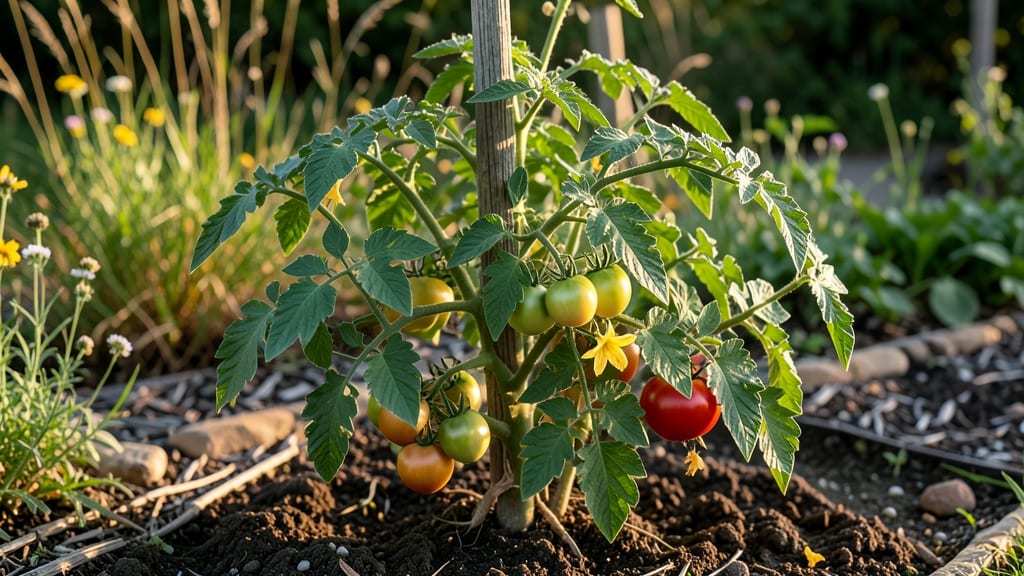
Growing the Momotaro tomato feels like cheating—it produces bountiful fruit in half the space of regular varieties. 🌿 This dwarf Japanese heirloom packs all the sweet, rich flavor of its larger cousins into compact plants perfect for containers, balconies, or small gardens where space is tight.
The secret to its success? Determinate growth—these plants stay bushy, rarely exceeding 3 feet tall, and produce fruit all at once, making them ideal for sauces, salads, or canning. Unlike indeterminate tomatoes that sprawl, Momotaro stays neat, producing bright red, 2-inch fruits with fewer stakes and pruning needs.
You’ll harvest pounds of tomatoes from just one 5-gallon container, and the plants thrive in full sun to partial shade, handling heat better than many varieties. The flavor? Deep, smoky-sweet with just a hint of tang—nothing like store-bought.
Fair warning: these plants bolt fast in hot climates, so keep them well-watered and mulched. But once you taste that first homegrown bite, you’ll never buy tomatoes again.
📚 In This Guide
- What you need
- Instructions
- Tips and common mistakes
- Wrapping up and next steps
What you need
- ● Momotaro tomato seeds or seedlings: 1-3 plants (depending on your space). Look for certified organic or heirloom seeds for the best results!
- ● Container or garden bed: For containers: 5-gallon pot or larger (at least 12" deep and wide per plant). Use fabric pots or self-watering containers for better drainage.
- ● For in-ground planting: Well-draining soil in a sunny spot (6+ hours of sunlight daily).
- ● High-quality potting mix: 1 bag (look for a mix labeled for vegetables or tomatoes, or amend regular soil with compost for better fertility).
- ● Balanced fertilizer: 10-10-10 or 5-10-10 (organic options like fish emulsion or compost tea work too!). Start with a slow-release granular fertilizer or liquid feed.
- ● Tomato cages or stakes: 1-2 per plant (dwarf varieties like Momotaro need minimal support, but stakes help prevent sprawling). Use 4-5 ft tall cages or bamboo stakes.
- ○ Mulch: Straw, shredded leaves, or black plastic (optional but helps retain moisture and suppress weeds).
- ● Trowel or small shovel (for planting).
- ● Gloves (to keep your hands clean!).
- ● Watering can or hose with a gentle spray nozzle.
- ● Pruning shears (for trimming suckers or dead leaves).
- ○ pH testing kit (optional but helpful—tomatoes thrive in soil with a pH of 6.0-6.8).
- ● 🌡️ Warmth: Momotaro tomatoes love heat! Start seeds indoors 6-8 weeks before the last frost or plant outdoors after soil temps reach 55°F (13°C).
- ● ☀️ Sunlight: Ensure your chosen spot gets full sun (6+ hours/day). Partial shade can reduce fruit production.
- ● 💧 Watering routine: Be ready to water consistently—tomatoes need 1-2 inches of water per week, especially during fruiting.
Step-by-Step instructions for growing Momotaro tomatoes
This compact, flavor-packed variety grows perfectly in containers or tight spaces—here's how to coax the best from it.
🌱 Step 1: Choose the Right Container and Soil Mix
Momotaro thrives in 5-gallon containers with at least 12 inches of depth—shallower pots restrict root growth and reduce yield. I use fabric grow bags because they prevent root circling while allowing excellent drainage. Fill the bottom third with coarse perlite or gravel to create a drainage layer that prevents soggy roots.
For the soil mix, combine 60% premium potting soil with 30% compost and 10% perlite. This blend holds moisture without compacting, which is critical for container-grown tomatoes. Avoid garden soil—it compacts in pots and suffocates roots. Pre-moisten the mix until it feels like a wrung-out sponge: damp but not dripping.
☀️ Step 2: Plant and Provide Optimal Light
Plant your Momotaro 1 inch deeper than its current soil line—this encourages stronger stem development. In containers, one plant per 5-gallon pot gives it room to spread without crowding. If growing in garden beds, space plants 24 inches apart in rows 3 feet apart for airflow.
Momotaro needs full sun (6-8 hours daily) to produce its signature sweet flavor. A south-facing window provides weak light—supplement with a grow light positioned 4-6 inches above the plant for 14 hours daily. You'll know it's getting enough light when leaves are deep green and compact, not pale and stretched.
💧 Step 3: Water Deeply and Fertilize Strategically
Water deeply every 2-3 days, soaking until water runs from the drainage hole. Let the top 2 inches of soil dry between waterings—consistent moisture prevents blossom-end rot. I use a drip irrigation system for containers to avoid wetting leaves, which reduces disease risk. Early morning watering prevents evening dampness that invites fungal issues.
Feed with a balanced 10-10-10 fertilizer every 2 weeks starting when flowers appear. Switch to a low-nitrogen, high-phosphorus (5-10-10) formula when fruit sets to boost sweetness. Over-fertilizing leads to leafy growth at the expense of fruit—watch for dark green, bushy foliage as a sign you're overdoing it.
✂️ Step 4: Prune and Support for Maximum Yield
Remove suckers (the small shoots forming in the leaf axils) weekly to direct energy to fruit production. Pinch off the first few flowers to encourage stronger initial growth—this prevents the plant from becoming top-heavy. Once the main stem reaches your trellis, prune side shoots to maintain an open structure.
Install a 5-foot bamboo stake or tomato cage at planting time. As the plant grows, weave stems through the cage or tie to the stake with soft plant ties every 8-10 inches. Proper support prevents broken stems when fruit gets heavy. You'll see fewer sprawling vines and more upward growth as the plant matures with support.
🍅 Step 5: Harvest and Extend the Season
Harvest when tomatoes are fully colored and slightly soft to the touch—this ensures peak flavor. Pick in the morning when sugars are highest. Use pruning shears to avoid damaging stems. Momotaro's compact size means you can harvest every 3-5 days once production begins, with 4-6 tomatoes per plant in containers.
To extend the season, cover plants with frost cloth when nighttime temperatures drop below 50°F. In containers, move pots to a protected location or indoors (with grow lights) for a 2-3 week extension. The key is keeping soil temperatures above 55°F—cold roots stunt growth and reduce fruit set.
Tips & tricks for perfect Momotaro tomato growth
Here's what I've learned after growing these sweet little powerhouses in tight spaces—these tricks will help you avoid common pitfalls and maximize your harvest.
Container Depth Matters: That 12-inch minimum depth in Step 1 isn't arbitrary—shallower pots will show you struggling roots and stunted growth. I've seen Momotaro plants in 8-inch pots produce only half the yield. If you're limited on space, go for fabric grow bags—they're deeper than they look and prevent root binding that chokes growth.
Lighting Secret: The 6-8 hours of full sun in Step 2 is non-negotiable for that signature sweetness, but here's the trick: if your south window isn't cutting it, position your grow light just 4 inches above the plant's tallest point. Closer than that burns leaves, farther away makes it useless. I test light sufficiency by touching leaves—if they feel rubbery, it's not enough light.
Watering Wisdom: That 2-inch dry topsoil rule in Step 3 is your best defense against blossom-end rot. But here's what nobody tells you—watering from below prevents fungal diseases. Place your 5-gallon container in a shallow tray of water for 10 minutes, then let it drain completely. This keeps leaves dry while ensuring roots get moisture.
Fertilizer Timing: The switch to 5-10-10 formula when fruit sets in Step 3 is crucial, but don't stop there. Once tomatoes start coloring, reduce fertilizer to half strength every 4 weeks. Too much nitrogen late in the game makes plants pump out leaves instead of sweetening fruit—you'll end up with a bush, not tomatoes.
Pro Tips for Momotaro Tomato Plant
- Here's what I've learned after growing these sweet little powerhouses in tight spaces—these tricks will help you avoid common pitfalls and maximize your harvest.
- Container Depth Matters: That 12-inch minimum depth in Step 1 isn't arbitrary—shallower pots will show you struggling roots and stunted growth.
- Closer than that burns leaves, farther away makes it useless.
Frequently asked questions
Got questions about growing the Momotaro tomato plant? You’re not alone! Here are some of the most common queries—and their answers—to help you cultivate this compact, flavor-packed variety like a pro.
How long does it take for Momotaro tomatoes to bear fruit?
The Momotaro tomato plant typically starts producing fruit 60–70 days after transplanting, assuming you’ve given it warm soil (60°F+), full sun, and consistent watering. Early blooms may drop if the plant isn’t established—so be patient! If you’re growing from seed, add another 10–14 days to that timeline.
Why are my Momotaro tomatoes cracking?
Cracking is common in fast-growing varieties like Momotaro when soil moisture fluctuates wildly. To prevent it:
- Water consistently—aim for 1–1.5 inches per week, especially during fruit set.
- Use mulch (straw or shredded leaves) to keep roots cool and even.
- Avoid overhead watering —drip irrigation or soaker hoses work best.
Can I grow Momotaro tomatoes in a pot, and what size container do I need?
Momotaro is a dwarf variety, making it perfect for containers. Use a pot at least 12–15 inches deep and 12 inches wide with drainage holes. Add a high-quality potting mix (avoid garden soil) and a time-release fertilizer to support its compact roots. Just ensure the pot gets 6+ hours of sunlight daily—even on a balcony!
Are Momotaro tomatoes good for sauces or better for eating fresh?
Momotaro tomatoes shine both ways! Their sweet, juicy flavor makes them ideal for fresh snacking, but their thick walls and balanced acidity also work great in:
- Homemade sauces (blend with basil and garlic for a quick marinara).
- Salsas or pico de gallo.
- Grilled or stuffed with cheese and herbs.
How do I protect Momotaro tomatoes from pests without chemicals?
Momotaro’s compact size makes it a target for aphids, hornworms, and whiteflies, but you can outsmart them naturally:
- Handpick pests (check leaves daily—hornworms are sneaky!).
- Spray with neem oil or a soapy water solution (1 tsp mild soap per quart of water).
- Attract ladybugs and lacewings with companion plants like basil or marigolds.
- Use row covers early in the season to block flying insects.
Can I grow Momotaro tomatoes in cooler climates or extend the season?
Momotaro tomatoes love warmth but can tolerate short cool snaps (down to 50°F) if protected. To extend the season:
- Start seeds indoors 6–8 weeks before last frost and transplant after soil warms.
- Use black plastic mulch or cold frames to raise soil temperature.
- Choose a south-facing container or microclimate (like near a sunny wall).
- For late fall, try a mini greenhouse or move pots to a sheltered spot.
Wrapping up and next steps
Growing the Momotaro tomato plant is a rewarding journey—whether you're a container gardener or have a cozy backyard space. This dwarf variety delivers big flavor in small packages, making it perfect for beginners and urban growers alike. With the right care, you’ll enjoy sweet, juicy tomatoes all season long!
Ready to harvest your success? Start by planting your seeds or seedlings this spring, and soon you’ll be savoring homegrown tomatoes straight from your Momotaro plant. Happy gardening! 🌱✨