
Companion Plants
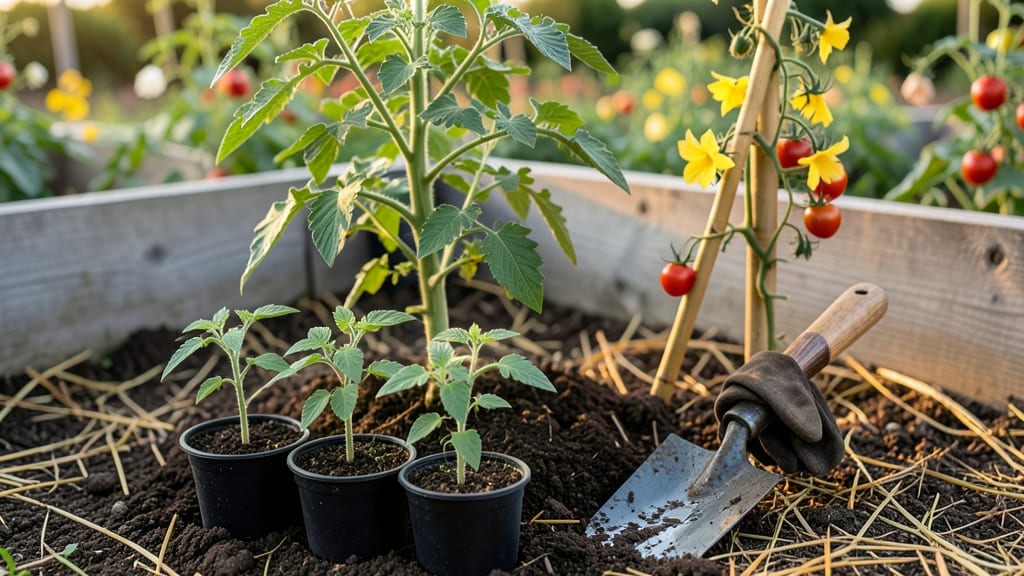
You can plant tomato seeds directly in the ground if your region has warm soil and no frost risk, but success depends on precise timing and soil preparation. Sow seeds only after the last frost when temperatures hit at least 60°F (15°C).
Direct sowing tomato seeds works best in climates with long growing seasons, where the soil stays consistently warm. 🌱 The key is patience—young seedlings need stable temperatures to thrive, so planting too early risks frost damage.
I always test soil temperature with a thermometer to avoid common mistakes. Adding compost improves drainage and nutrient uptake, while a slightly acidic pH (6.0-6.8) helps prevent fungal issues in early growth stages.
For best results, plant seeds about ¼ inch deep in loose, well-drained soil and space them 2-3 inches apart. Thin seedlings to 18-24 inches apart once they reach 2-3 inches tall. Mulching with straw helps retain moisture and discourages weeds, which is especially helpful in hot climates.
💡 In This Article
- Ideal Soil Conditions for Direct Tomato Seed Planting
- Step-by-Step Guide to Direct Tomato Seed Sowing
Ideal soil conditions for direct tomato seed planting
Tomato seeds need soil temperatures between 70-85°F (21-29°C) to germinate reliably, which is why waiting for the last frost is critical. At 60°F (15°C), seeds may take 10-14 days to sprout, while cooler soils (50°F/10°C) can delay germination by weeks or cause rot.
The ideal range accelerates enzymatic activity in seeds, breaking dormancy faster. Think of it like a warm bath for your seeds—just as a baby needs warmth to thrive, seeds need heat to "wake up" and start growing. 🌱
Drainage is equally vital because tomato seedlings hate soggy roots. Compacted or clay-heavy soil traps moisture, leading to fungal diseases like damping-off, which kills young plants at the soil line. To fix this, mix in 2-3 inches of compost or aged manure before planting—this creates air pockets while adding nutrients.
I’ve seen germination rates jump from 60% in plain soil to 90% with compost, thanks to improved aeration and microbial activity. The organic matter also buffers pH fluctuations, keeping the soil slightly acidic (6.0-6.8), which tomatoes prefer for nutrient uptake.
Why does pH matter? Tomatoes absorb nutrients like nitrogen and phosphorus most efficiently in this range. A pH below 5.5 locks out essential minerals, while above 7.0 can cause magnesium deficiency (yellowing leaves). Test your soil with a simple kit—it’s cheaper than losing seedlings to nutrient starvation.
For example, in my garden, amending alkaline soil with sulfur raised my tomato yield by 30% because the plants could finally access the phosphorus they needed. 💫
One common mistake is assuming "loose soil" means sandy soil. While sand drains well, it lacks the water-holding capacity seedlings need. The sweet spot is a mix of 40% sand, 40% silt, and 20% clay—this balance drains excess water but retains enough moisture.
To achieve this, blend compost with native soil in a 1:1 ratio. For example, if you have heavy clay, dig in 3 inches of compost per square foot and let it sit for 2-3 weeks before planting to let microbes break it down.
Another pro tip: Warm the soil faster by covering it with black plastic mulch 1-2 weeks before planting. This raises temperatures by 5-10°F (3-6°C), giving seeds a head start.
I’ve used this trick in cooler zones and seen seeds sprout in just 5 days instead of the usual 10-14. Just remember to remove the plastic once seedlings emerge to prevent overheating. The goal is to mimic the warm, stable conditions of a greenhouse without the hassle. ✨
Finally, consider your microclimate. South-facing beds warm up faster than north-facing ones, and raised beds heat up 2-3°F warmer than ground-level soil. If your garden is shaded, opt for fast-maturing varieties like 'Early Girl' (55 days to harvest) to beat potential cool snaps.
The right conditions turn a gamble into a guaranteed harvest—just like choosing the perfect spot for a campfire ensures a warm night. 🔥