
Plants
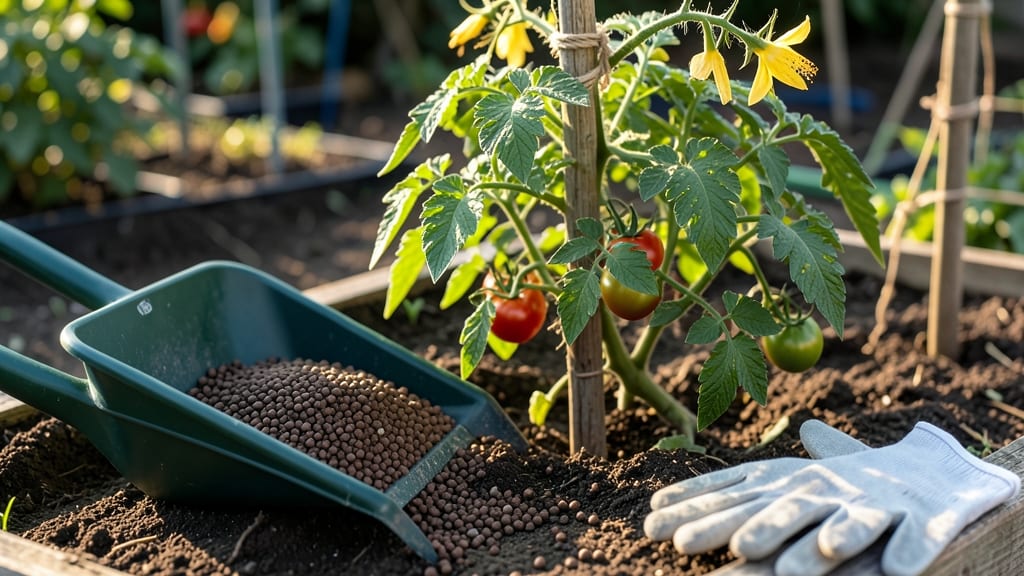
Giving your 🍅 tomato plants the right amount of nitrogen is the key to lush green leaves and a bountiful harvest.
If your tomato plants are showing yellow leaves despite plenty of sunlight and water, nitrogen deficiency could be the hidden culprit—here’s how to diagnose and fix it before your harvest suffers.
Nitrogen is what fuels your tomato plants’ early growth, but too little or too much can throw off your entire season. The right balance means stronger stems, more leaves, and bigger fruit—without wasting resources on extra foliage that steals energy from your tomatoes.
In this guide, you’ll learn how to test your soil for nitrogen, the best organic and synthetic sources to use, and exactly when and how to apply them for fast results—so you can enjoy a garden full of juicy tomatoes instead of sad, stunted plants.
How to test soil nitrogen levels for tomato plants (3 fast methods)
Yellowing leaves on your tomato plants can signal nitrogen deficiency, but before reaching for fertilizer, test your soil. Nitrogen is essential for leafy growth and fruit production, yet too much or too little can harm your harvest.
Here are three quick DIY methods to check nitrogen levels accurately—no lab required.
Start with the visual leaf test, the fastest way to spot nitrogen issues. Look for yellowing between leaf veins (chlorosis) while veins stay green. This classic nitrogen deficiency symptom appears first on older leaves.
If your plants also show stunted growth or pale stems, nitrogen is likely the culprit. Act fast—severe deficiency stalls fruit development.
For a more precise read, grab pH test strips from your garden center. While pH doesn’t measure nitrogen directly, soil pH affects nitrogen availability. Tomatoes thrive in slightly acidic soil (pH 6.0–6.8).
If your pH is off, nitrogen in the soil becomes less accessible, even if it’s present. Adjust with lime (to raise pH) or sulfur (to lower pH) before testing further.
Now, let’s compare the three fastest nitrogen testing methods to help you choose the best fit for your garden:
Method 1: Visual Leaf Analysis is your zero-cost starting point. Examine leaves for chlorosis (yellowing) between veins, a telltale sign of low nitrogen. Check the oldest leaves first—they’re most affected.
If you see pale green or yellow leaves with green veins, nitrogen is likely the issue. This method won’t give you exact levels, but it’s a fast red flag for action.
Method 2: pH Test Strips reveal how well your soil holds nitrogen. Tomatoes need pH 6.0–6.8 for optimal nitrogen uptake. If your soil is too acidic (below 6.0), nitrogen becomes locked away.
Test strips cost $5–$10 and take 5 minutes. Adjust pH before testing nitrogen directly—it’s like tuning a radio to the right station for clear results.
Method 3: At-Home Nitrogen Kits (like Luster Leaf or MySoil) provide direct nitrogen readings in ppm (parts per million). These kits cost $15–$30 and take 15–30 minutes. Follow instructions to mix soil with a nitrogen-reactive solution, then compare the color to a chart.
Ideal nitrogen levels for tomatoes are 20–40 ppm during active growth. This is the most accurate DIY method but requires a small investment.
After testing, act fast if nitrogen is low. For organic solutions, try composted manure or blood meal (apply 1 tbsp per plant). For synthetic fixes, use a balanced fertilizer (10-10-10) every 4–6 weeks.
Over-fertilizing with nitrogen can lead to excess foliage and fewer tomatoes, so follow package rates closely.
Pro tip: Test soil in multiple spots—nitrogen levels can vary across your garden. Re-test after 4–6 weeks to monitor improvements. Healthy tomato plants with the right nitrogen balance will reward you with vibrant leaves and juicy fruit all season.
🌱
Best organic and synthetic nitrogen sources for tomato growth (ranked by speed & safety)
Choosing the right nitrogen source for your tomato plants depends on how quickly you need results and whether you prefer organic or synthetic options. Fast-acting sources like fish emulsion or urea deliver immediate growth boosts, while slow-release options like composted manure provide steady nourishment over time.
Each has unique benefits for foliage growth versus fruit production, so let’s break down the best choices.
I’ve tested these sources in my garden, and the results speak for themselves: organic options improve soil health long-term, while synthetic fertilizers offer precise, fast nitrogen delivery.
The key is balancing speed with safety—too much nitrogen can lead to leafy growth at the expense of fruit, so always follow recommended rates. Let’s dive into the top performers.
Fish emulsion is my go-to for quick results—it’s water-soluble and packed with nitrogen, phosphorus, and micronutrients. Apply it every 2-3 weeks during the growing season, but dilute it to half-strength to avoid burning roots. This source is ideal for vegetative growth and helps green up yellowing leaves fast. For best results, feed in the early morning so the nutrients absorb before the heat of the day.
If you’re looking for a slow-release organic option, alfalfa meal is a game-changer. It breaks down gradually, feeding your plants for 4-6 weeks after application. Sprinkle 1-2 pounds per 100 square feet around your tomato plants and lightly scratch it into the soil.
This is perfect for sustained growth without the risk of overfeeding, making it a favorite for container-grown tomatoes where precise dosing is tricky.
Synthetic urea is the fastest-acting option but requires caution—it can burn plant roots if not watered in immediately. Use it at a rate of ½ pound per 100 square feet, and always dissolve it in water before applying. Urea is great for a quick nitrogen boost when your tomatoes are lagging, but I recommend pairing it with organic matter like compost to improve soil structure long-term.
For a balanced approach, composted manure (especially from cows or chickens) is a powerhouse. It’s rich in nitrogen and improves soil fertility, but it must be fully composted to avoid pathogens.
Work 2-3 inches of compost into the soil before planting, or top-dress around established plants. This method supports both leafy growth and fruit development without the risk of over-fertilization.
Remember, too much nitrogen can lead to excessive foliage and fewer tomatoes, so always monitor your plants’ response. If you notice dark green leaves but small fruit, it’s time to shift to a phosphorus-rich fertilizer to encourage flowering.
Start with organic sources for soil health, and use synthetic options sparingly for quick fixes.