
Companion Plants
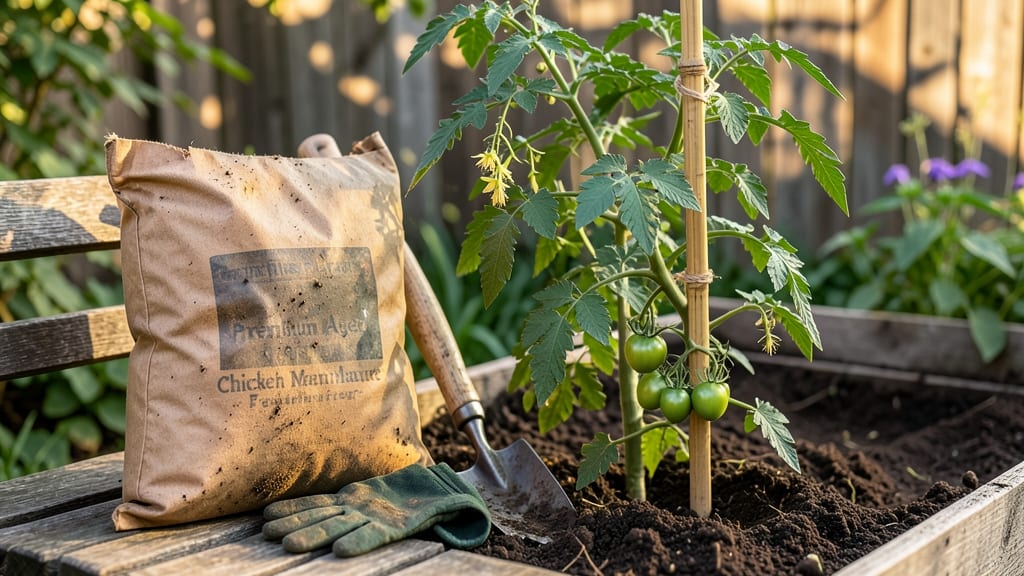
This chicken manure is good for tomato plants when properly composted, providing rich nitrogen and nutrients, but fresh manure risks nitrogen burn and disease. Always compost for 3-6 months before using to balance benefits and safety for plants.
This chicken manure is good for tomato plants because it packs a powerful punch for tomato growth thanks to its high nitrogen content, which fuels lush foliage and robust fruit production. 🌱 The key lies in its balanced nutrient profile—packed with phosphorus for root development and potassium for disease resistance—making it a gardeners' favorite when used correctly.
However, fresh manure's high ammonia levels can scorch plant roots, so proper aging is non-negotiable for safe application.
For best results, I recommend mixing composted chicken manure into the soil at planting time or creating a nutrient-rich tea by steeping aged manure in water for 24 hours. This method delivers slow-release nutrients while protecting delicate tomato roots from chemical burns.
The transformation from raw manure to garden gold takes patience, but the payoff—healthier plants and bigger harvests—is worth every month of composting.
💡 In This Article
- Nutritional Benefits of Chicken Manure for Tomatoes
- Safe Application Methods to Avoid Nitrogen Burn
Nutritional benefits of chicken manure for tomatoes
Chicken manure stands out for tomato plants because of its exceptional nutrient density, particularly nitrogen (N), phosphorus (P), and potassium (K). On average, fresh chicken manure contains 1.5-4% nitrogen, 1-3% phosphorus, and 0.5-1.5% potassium by weight—far exceeding the 0.5% N found in cow manure.
This nutrient trifecta directly supports tomato growth: nitrogen builds leafy foliage, phosphorus strengthens roots, and potassium enhances fruit development and disease resistance.
The magic happens when these nutrients break down during composting. Microbial activity converts complex organic nitrogen into plant-available ammonium and nitrate forms, while phosphorus becomes more soluble. For tomatoes, which are heavy feeders, this means 20-30% more biomass production compared to unamended soil.
The organic matter also improves soil structure by increasing water retention (up to 30% more moisture capacity) and aeration through better crumb formation—critical for tomatoes' deep root systems.
What makes chicken manure particularly effective is its balanced micronutrient profile—it contains calcium, magnesium, and sulfur in optimal ratios for tomatoes, preventing issues like blossom-end rot (caused by calcium deficiency).
Unlike synthetic fertilizers that provide isolated nutrients, composted chicken manure delivers a complete package where nutrients are released gradually, mirroring natural ecosystem processes. This slow-release mechanism prevents nutrient spikes that can stress plants.
For visual comparison, imagine two tomato plants: one grown in synthetic fertilizer soil and one in composted chicken manure soil. The synthetic-fed plant might show rapid leaf growth initially but often lacks vigor and disease resistance.
The compost-fed plant, however, develops thicker stems, darker green leaves, and more uniform fruit ripening—a testament to the holistic nutrient delivery system. The soil itself becomes darker and fluffier, resembling rich forest loam rather than compacted garden dirt. 🌿
One often overlooked benefit is the manure's ability to attract beneficial soil microbes. Tomatoes thrive when their roots host mycorrhizal fungi and nitrogen-fixing bacteria, which chicken manure compost supports through its carbon-to-nitrogen ratio (20:1 after composting).
These microbes help break down additional organic matter in the soil, creating a self-sustaining nutrient cycle that continues long after application.
To put this into practical terms, a single 1-pound bag of composted chicken manure can feed a medium-sized tomato plant for an entire growing season when mixed into 1 square yard of soil.
This equates to roughly 1.5 cups of nutrients per plant, enough to produce 20-30% larger fruit yields compared to unamended soil. The key is consistency—regular applications (every 4-6 weeks) maintain optimal nutrient levels without overloading the plant.