
Plants
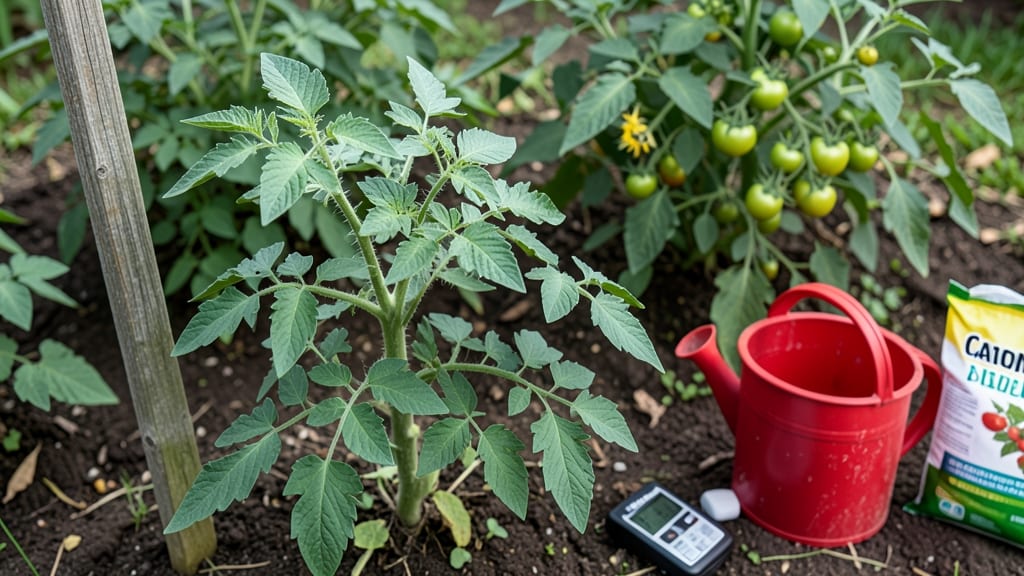
Your tomato plants are throwing a tantrum by refusing to bud—here’s how to turn that around. 🌱 I’ve seen this exact scenario play out in my own garden (and yes, I mean that literally), where plants looked healthy but stubbornly refused to produce flowers.
The good news? This is almost always fixable with a few targeted tweaks.
Most budless tomato plants are starving for one of three things: consistent sunlight, the right temperature balance, or proper nutrients. Too much nitrogen makes plants grow leaves but skip flowers, while inconsistent watering stresses them into holding back.
Even pruning mistakes can send energy to the wrong places. The fix starts with checking your care routine—light, water, and fertilizer are your first clues.
Within days of adjusting care, you’ll see new flower clusters forming. I’ve revived plants that looked hopeless by moving them to sunnier spots, switching to bloom-boosting fertilizer, and keeping water steady. The key is patience—tomatoes respond faster to changes than you’d think, but they need consistency to commit to budding.
Once you’ve got flowers, protect them from pests and late-season cold snaps. A little prevention now means a harvest so heavy your neighbors will ask for seeds. Here’s exactly how to diagnose and fix each common cause—step by step.
Root Causes Behind Missing Blossoms
When your tomato plants refuse to bud, the issue almost always stems from a mismatch between their needs and the environment you’ve provided. Understanding these triggers is half the battle—because once you spot the problem, you can often reverse it with targeted fixes.
Below are the most common culprits, explained in plain terms with actionable science behind them.
Tomatoes are tropical plants at heart, and they hate being cold or inconsistent. Blossoms drop or fail to form when nighttime temperatures dip below 55°F (13°C) or when daytime highs exceed 90°F (32°C) for weeks. Here’s why:
- Cold Stress: Below 55°F, pollen production in male flower parts (anthers) slows or stops entirely.
Even if pollen forms, it becomes sticky and non-viable, meaning it can’t fertilize the female flowers (ovules). - Heat Stress: Above 90°F, pollen grains desiccate (dry out) before they can reach the stigma. Additionally, high heat disrupts the plant’s hormonal balance, causing buds to abort early.
Actionable Fix:
- Use row covers or cloches to shield plants from late frosts.
- Mulch heavily (straw or black plastic) to moderate soil temps and retain moisture.
- Provide afternoon shade (e.g., shade cloth) in scorching climates to prevent heat stress.
Tomatoes are heavy feeders, but wrong nutrients can sabotage bud formation. The two biggest offenders?
- Excess Nitrogen (N): If your soil tests high in nitrogen (common with fresh manure or synthetic fertilizers), plants prioritize leafy growth over flowers.
Buds form but often drop before fruiting. - Deficiencies in Phosphorus (P) or Potassium (K): Phosphorus fuels root and flower development, while potassium regulates water and nutrient transport. A deficiency here leads to weak stems, poor root systems, and aborted buds.
How to Diagnose:
| Symptom | Likely Cause | Quick Fix |
|---|---|---|
| Dark green, lush leaves | Too much nitrogen | Flush soil with water, switch to low-N, high-P/K fertilizer (e.g., 5-10-10). |
| Purple stems/leaves | Phosphorus deficiency | Add bone meal or rock phosphate to soil. |
| Yellowing leaf edges | Potassium deficiency | Feed with kelp meal or wood ash (sparingly). |
Pro Tip: 💡 Test your soil before planting—ideal ratios for tomatoes are N-P-K 3-4-6 or 2-3-1 for organic growers.
Tomatoes are finicky about hydration, and inconsistent watering directly impacts bud set. Here’s the science:
- Underwatering: Causes physiological drought stress, where the plant conserves energy by dropping buds. Roots can’t absorb enough water to support flower development. - Overwatering: Leads to root rot (from Phytophthora or Fusarium), which starves the plant of oxygen.
Weak roots = poor nutrient uptake = no buds. - Inconsistent Moisture: Even brief dry spells can trigger bud abortion. Tomato flowers are sensitive to water potential fluctuations—think of it like a plant having a panic attack over its hydration status.
Actionable Fix:
- Drip irrigation (not overhead) ensures deep, even moisture without wetting leaves (which promotes disease).
- Water early in the day (6–9 AM) to allow foliage to dry, reducing fungal risks.
- Mulch with straw to retain moisture and prevent soil temp swings.
Sometimes, the issue isn’t environmental—it’s biological. Here’s what’s happening:
- Lack of Pollinators: Tomatoes rely on bees, wind, or vibration (from hummingbirds or even your finger!) to transfer pollen. In greenhouses or urban areas, this can fail. - Self-Sterility: Some tomato varieties (like Solanum lycopersicum hybrids) produce non-viable pollen if not cross-pollinated.
Others (like S. pimpinellifolium) are self-incompatible. - Bud Blast: A genetic response to stress where the plant sacrifices potential fruit to conserve energy for survival.
How to Help:
- Hand-pollinate by gently shaking plants or using a paintbrush to transfer pollen.
- Choose pollinator-friendly varieties (e.g., ‘Sungold’, ‘Celebrity’) if bees are scarce.
- Avoid over-fertilizing with nitrogen—it can delay flowering while promoting foliage.
Hidden threats like blossom end rot (BER), early blight, or aphids can steal your plant’s energy before buds even form.
- Blossom End Rot (BER): Caused by calcium deficiency (often from uneven watering), this disease kills young fruit and stresses the plant, leading to bud drop.
- Early Blight (Alternaria solani): Fungal spots on leaves reduce photosynthesis, starving the plant of energy for flowers.
- Sap-Sucking Pests (Aphids, Whiteflies): These pests excrete honeydew, which fosters sooty mold, further blocking sunlight and nutrients.
Prevention Checklist:
- Rotate crops to prevent soil-borne diseases.
- Spray neem oil or baking soda solution (1 tbsp/baking soda + 1 quart water + drop of soap) to deter pests.
- Side-dress with crushed eggshells for calcium to prevent BER.
Revive Your Tomatoes Now
No buds on your tomato plants? Don’t panic—your garden isn’t doomed yet! 🌱 The good news is that most causes of bud drop (or failure to form) are fixable with targeted action.
Below, we’ve mapped out practical, step-by-step solutions for each common trigger, plus prevention tips to keep your plants thriving. Let’s get those blossoms blooming again!
If your plants are starving for key nutrients, they’ll drop buds before they can turn into fruit. Here’s how to correct the issue:
🍳 Step 1: Test Your Soil Use a soil test kit (available at garden centers) to check pH and nutrient levels. Tomatoes thrive in slightly acidic soil (6.2–6.8 pH). If your soil is off, amend it with:
- Lime (to raise pH) or sulfur (to lower pH).
- Compost or aged manure to boost organic matter.
👨🍳 Step 2: Feed the Right Way Tomatoes are heavy feeders, especially during flowering and fruiting. Use a balanced fertilizer (like 10-10-10) or a tomato-specific blend high in phosphorus (the middle number). For a natural boost:
- Banana peel tea: Soak peels in water for 2–3 days, then dilute and water plants. (Phosphorus = bud magic! 🎯)
- Fish emulsion or bone meal: Sprinkle around the base (but not touching stems) for a phosphorus kick.
⏰ Step 3: Time Your Fertilizer
- Early season (seedlings): Use a low-nitrogen fertilizer (like 5-10-10) to encourage root growth.
- Flowering stage: Switch to a high-phosphorus fertilizer (like 3-6-6) to support bud formation.
- Fruiting stage: Add a potassium-rich fertilizer (like 0-0-50) to prevent blossom end rot and boost fruit development.
💡 Pro Tip: Over-fertilizing can burn roots—always water plants first, then apply fertilizer. And never fertilize after sunset to avoid leaf scorch.
Tomatoes are temperature-sensitive. Too hot or too cold, and those buds will drop like flies. Here’s how to keep them in the ideal 70–85°F (21–29°C) range:
🔥 Step 1: Shield from Heat Stress
- Mulch heavily with straw or grass clippings to keep roots cool.
- Provide afternoon shade (especially in hot climates) with shade cloth (30–50%) or a lightweight row cover.
- Water deeply in the morning to cool the soil and air around plants.
❄️ Step 2: Protect from Cold Snaps
- Use row covers or frost blankets if night temps dip below 50°F (10°C).
- Move potted tomatoes to a sheltered spot (like a garage or under a porch) if frost is forecasted.
- Avoid planting too early—wait until after the last frost date in your zone.
🎯 Pro Tip: If buds drop due to heat, prune suckers aggressively to reduce stress on the plant. Fewer leaves = less heat absorption.
Too much or too little water = bud failure. Tomatoes need consistent moisture, but they hate soggy roots or drought stress.
🍳 Step 1: Water Like a Pro
- Deep water 1–2 times per week (depending on climate) to encourage deep root growth.
- Water at the base (not leaves) to prevent fungal diseases like blight.
- Use drip irrigation or soaker hoses for even moisture—avoid overhead sprinklers.
🔥 Step 2: Fix Drought Stress If your plants are wilting or leaves are curling:
- Water immediately with 1–2 inches of water (about 1–2 gallons per plant).
- Add compost or mulch to retain moisture.
- Avoid watering at night to prevent fungal growth.
💡 Pro Tip: Mulch with straw or wood chips to lock in moisture and keep roots cool. A 3–4 inch layer works best.
Pests like hornworms, aphids, and whiteflies can devour buds before they form. Diseases like early blight or powdery mildew also stress plants into dropping buds.
🔪 Step 1: Inspect Plants Daily
- Check undersides of leaves for eggs or pests.
- Remove damaged leaves (especially with spots or holes) to prevent spread.
🍳 Step 2: Use Natural Pest Control
- Handpick hornworms (they’re big and easy to spot!).
- Spray neem oil (mix 1 tbsp with 1 quart of water) to deter aphids and whiteflies.
- Introduce beneficial insects like ladybugs or lacewings to eat pests naturally.
💡 Pro Tip: Rotate crops yearly to prevent soil-borne diseases. If you’ve had blight before, plant tomatoes in a different spot this year.
Even if your plants are healthy, poor pollination can lead to bud drop. Tomatoes rely on bees, wind, or gentle shaking to pollinate.
🍳 Step 1: Attract Pollinators
- Plant companion flowers like marigolds, basil, or borage near your tomatoes.
- Avoid pesticides (especially during bloom time) to keep bees safe.
- Add a shallow dish of water to attract more pollinators.
🔥 Step 2: Help Out Manually
- Gently shake plants in the morning (when humidity is low) to dislodge pollen.
- Use a small paintbrush to transfer pollen from flower to flower if bees are scarce.
✨ Pro Tip: Morning is the best time for hand-pollination—flowers are freshest then!
Once you’ve revived your plants, lock in success for future harvests:
- Start with healthy seedlings—avoid weak or leggy plants from nurseries.
- Use raised beds or containers for better drainage and temperature control.
- Prune regularly to improve airflow and reduce stress.
- Monitor weather forecasts and protect plants from extreme temps early.
- Rotate crops to prevent nutrient depletion and disease buildup.
With these fixes, your tomato plants should bounce back stronger—and next season, you’ll be buried in juicy, ripe tomatoes instead of empty blossom ends! 🍅🔥 Let’s grow those fruits!
Frequently asked questions
Why are my tomato plants putting out leaves but no flowers?
This usually means your plants are getting too much nitrogen, which fuels leaf growth at the expense of flowers. Check your fertilizer—switch to a low-nitrogen, high-phosphorus blend (like 5-10-10) to encourage bud formation. Overwatering or excessive shade can also delay flowering.
Can I still save my tomato plants if they've never budded?
Start by adjusting care immediately: move plants to full sun (6+ hours daily), reduce nitrogen-heavy fertilizers, and ensure consistent moisture. Many plants respond within 1-2 weeks of these changes. If they're young, they may just need more time to mature.
Is it too late to fix budless tomato plants in late summer?
Not necessarily! While late-season plants may not produce fruit before frost, you can still encourage buds for next year. Prune aggressively to redirect energy, add compost or bone meal for phosphorus, and protect from cold snaps. Healthy plants will rebound faster in spring.
Could my tomato variety be the problem?
Some determinate varieties (like 'Roma') flower more reliably than indeterminates (like 'Sungold'), but even good varieties need proper care. Check your plant tags—if it's a cherry tomato, it may need more heat to set buds. Try hand-pollinating flowers if bees are scarce.
How do I know if my plants are getting enough sunlight?
Healthy tomato plants need 6-8 hours of direct sun daily. If leaves are pale or leggy, they're light-deprived. Test your spot: use a sun calculator (available online) or observe shadows—if your plants are in shade for more than 4 hours/day, move them to sunnier ground.