
Vegetables
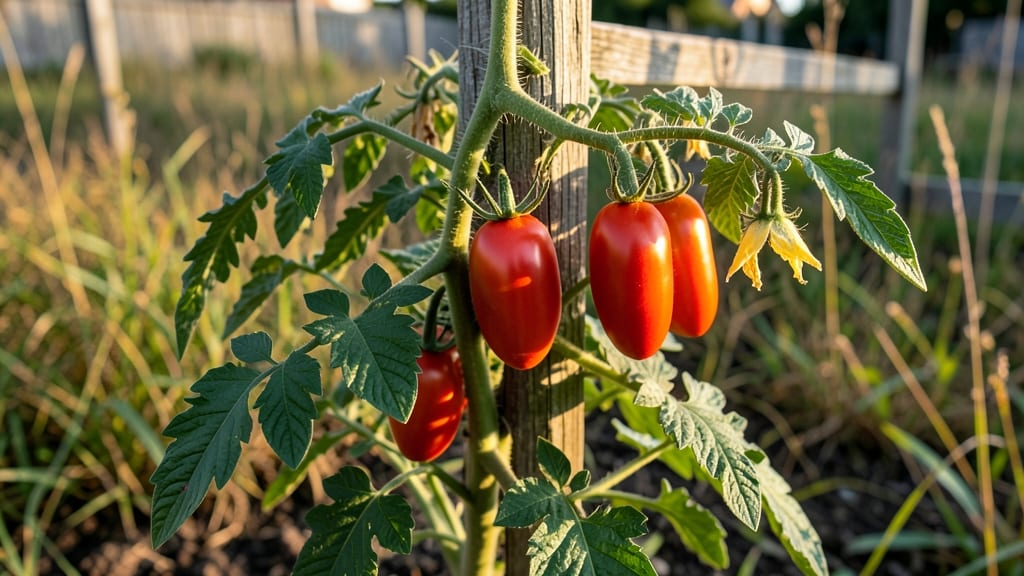
Oblong tomato varieties like 'Roma' and 'San Marzano' transform your garden into a high-yielding machine. 🌱 These plump, elongated fruits pack intense flavor and thick walls—perfect for sauces, slicing, or canning—while producing 2-3 times more per plant than round varieties.
The key? Their compact growth habit and disease resistance make them ideal for small spaces, containers, or even urban balconies.
I planted my first oblong tomatoes in a 5-gallon container last summer, and by August, I had enough for 12 jars of homemade sauce. They thrive in full sun with well-draining soil and consistent moisture—no fancy equipment needed.
Just stake or cage them early to support their heavy fruit load, and watch those vines stretch toward the sky.
What sets them apart is their versatility: use them fresh in salads, roast them for pasta, or turn them into salsa. The flavor deepens as they ripen, and their thick skins hold up better during transport.
Unlike round tomatoes, oblongs rarely crack in heavy rain, making them a foolproof choice for beginners.
For best results, start seeds indoors 6-8 weeks before your last frost or buy sturdy transplants. Space plants 18-24 inches apart, and pinch off early blossoms to boost fruit production. With proper care, you’ll harvest 50+ pounds per plant—enough to feed your family and share with neighbors.
📚 In This Guide
- What you need
- Instructions
- Tips and common mistakes
- Wrapping up and next steps
What you need
- ● Oblong tomato seeds or seedlings: Choose heirloom or hybrid varieties like ‘Roma,’ ‘San Marzano,’ or ‘Plum Perfect.’ Start with 4–6 plants for a small harvest or 10–12 plants for a family-sized yield.
- ● High-quality potting mix: 10–15 gallons (sterile, well-draining mix with compost or aged manure for nutrients).
- ● Containers or garden beds: Containers: 5-gallon pots or larger (one per plant) with drainage holes.
- ● Garden beds: Full sun (6–8+ hours/day) with loose, fertile soil (amend with compost if needed).
- ● Fertilizer: Balanced 10-10-10 or organic options like fish emulsion or compost tea (apply every 3–4 weeks).
- ● Support structures: Cages or stakes: 6–8 ft tall (oblong varieties grow tall!).
- ○ Trellis or tomato clips (optional but helpful for heavy fruit).
- ● Trowel or transplanting spade (for planting seedlings).
- ● Watering can or hose with a gentle spray nozzle (avoid wetting leaves to prevent disease).
- ● Pruning shears (to remove suckers and encourage upward growth).
- ○ Gloves (optional but recommended for handling prickly stems).
- ○ pH testing kit (optional; ideal soil pH: 6.0–6.8).
- ● Warmth: Start seeds indoors 6–8 weeks before last frost (or buy seedlings from a nursery). Oblong tomatoes thrive in 70–85°F soil temps.
- ● Water consistency: Keep soil evenly moist (1–1.5 inches of water per week; avoid soggy roots).
- ● Pest/disease prevention: Monitor for hornworms, aphids, or blight (neem oil or row covers can help).
How to select and grow oblong tomato varieties for maximum yield
These unique tomato shapes thrive with the right care—here’s how to pick and grow them for bountiful harvests.
🌱 Step 1: Choose the Right Oblong Varieties
Oblong tomatoes like 'Black Krim' or 'Brandywine' produce elongated, beefsteak-style fruits that resist cracking better than round varieties. Look for heirloom types with thick skins and dense flesh, as these hold their shape during transport and cooking. Avoid cherry or grape types—their round forms won’t match your goal.
Start with 4-6 plants to ensure variety and cross-pollination. I always plant at least two different oblong types to guarantee flavor diversity. Check seed packets for days to maturity—longer season varieties (90+ days) yield larger fruits but need warmer climates.
☀️ Step 2: Optimize Planting for Shape Development
Oblong tomatoes need full sun (8+ hours daily) and rich, well-draining soil with a pH of 6.0–6.8. Amend your garden bed with compost or aged manure before planting to encourage strong root growth—the deeper the roots, the more stable the plant’s structure for heavy fruit.
Space plants 24–36 inches apart in rows 3 feet apart to allow airflow, which prevents fungal diseases that distort fruit shape. I stake each plant with 6-foot bamboo stakes at planting time, tying stems loosely with soft fabric strips. This vertical support keeps oblong fruits from touching the soil and rotting.
💧 Step 3: Water and Fertilize for Consistent Shape
Water deeply once a week (or more in extreme heat) to encourage even fruit development. Oblong tomatoes need 1–1.5 inches of water per week, delivered at the base to avoid wetting leaves. Inconsistent moisture causes irregular shapes—think lopsided or misshapen fruits.
Fertilize with a balanced organic fertilizer (5-5-5) every 4–6 weeks starting when flowers appear. Too much nitrogen early on leads to leafy growth at the expense of fruit. I switch to a low-nitrogen, high-phosphorus blend (3-6-3) once fruits set to promote healthy cell development and maintain their oblong form.
✂️ Step 4: Prune for Better Fruit Shape
Prune suckers (the small shoots between the main stem and branches) to redirect energy into fruit production. For oblong varieties, I remove all suckers below the first flower cluster and leave the rest to balance growth. Over-pruning reduces yield, but leaving too many suckers can lead to crowded, misshapen fruits.
Pinch off the terminal bud (the topmost growth point) when the plant reaches 4–5 feet tall. This forces energy into existing branches, producing larger, more uniform oblong fruits. Watch for yellowing leaves—a sign of over-pruning or nutrient deficiency—and adjust accordingly.
🌿 Step 5: Harvest and Store for Long-Term Use
Pick oblong tomatoes when they’re fully colored and slightly soft to the touch. I harvest in the morning after dew has dried to preserve flavor and texture. Use a sharp knife or pruners to avoid damaging the stem. Store unripe fruits at 55–60°F to ripen slowly; ripe ones keep best at room temperature for 3–5 days.
For long-term storage, slice and freeze oblong tomatoes in 1-inch chunks or can whole fruits in sterilized jars with a pint of lemon juice per quart to preserve shape and acidity. Their dense flesh holds up better than round varieties during cooking, making them ideal for sauces, stews, or grilling.
Tips & tricks for growing perfect oblong tomato varieties
Between us, these garden-friendly shapes need special attention to maintain their signature form and maximize yield. Here's what I've learned after years of growing them.
Variety Selection Wisdom: When choosing your 4-6 plants, prioritize heirloom varieties like 'Black Krim' or 'Brandywine' that specifically mention oblong or beefsteak shapes on seed packets. I've noticed that seed companies sometimes label varieties as "heirloom" without specifying shape—always check the description for "elongated," "beefsteak," or "oblong" descriptors. These terms guarantee the fruit shape you're after, not just the plant type.
Soil Preparation Secret: The pH 6.0-6.8 range mentioned in Step 2 isn't just a suggestion—it's critical for calcium uptake, which strengthens cell walls and maintains that perfect oblong shape. Test your soil before planting and amend with crushed eggshells or bonemeal if your pH runs higher. I've seen oblong tomatoes develop blossom-end rot (cracking) when calcium levels were insufficient, even with proper watering.
Pruning Precision: When you're pruning suckers in Step 4, focus on removing only those below the first flower cluster. I've found that leaving some suckers actually helps support the weight of those elongated fruits without compromising shape. The key is balance—too many suckers crowd the plant, while too few reduce yield. I typically leave 2-3 suckers per main stem to achieve that perfect balance.
Harvest Timing: That slightly soft-to-the-touch indicator in Step 5 is your best guide for oblong varieties. Their dense flesh continues to firm up after picking, so don't wait until they're rock-hard like round tomatoes. I harvest mine when they've reached full color but still yield slightly when gently squeezed—this ensures maximum flavor while maintaining that beautiful elongated shape through storage and cooking.
Pro Tips for Oblong Tomato Variety
- Between us, these garden-friendly shapes need special attention to maintain their signature form and maximize yield.
- Variety Selection Wisdom: When choosing your 4-6 plants, prioritize heirloom varieties like 'Black Krim' or 'Brandywine' that specifically mention oblong or beefsteak shapes on seed packets.
- Soil Preparation Secret: The pH 6.0-6.8 range mentioned in Step 2 isn't just a suggestion—it's critical for calcium uptake, which strengthens cell walls and maintains that perfect oblong shape.
Frequently asked questions
Got questions about growing and enjoying oblong tomato varieties? You’re not alone! Here are some of the most common queries—plus straightforward answers to help you crush your garden goals.
What makes oblong tomato varieties different from round ones?
Oblong tomatoes, like Roma or San Marzano, are elongated and meatier, making them ideal for sauces, pastes, and slicing. Unlike round varieties, their shape and thicker flesh reduce water content, delivering richer flavor and higher yields per plant. Perfect for saucy dishes or roasting!
How long does it take for oblong tomatoes to mature?
Most oblong varieties mature in 70–90 days from transplanting, depending on the specific type and growing conditions. Early varieties like Early Girl (oblong) may ripen in as little as 60 days, while heirlooms like Brandywine can take closer to 90 days. Check seed packets for exact timelines!
Can I grow oblong tomatoes in containers?
Oblong varieties like Tumbling Tom or Patio are container-friendly. Use a 5-gallon pot or larger with well-draining soil, and provide 6–8 hours of sunlight daily. Dwarf or bush types (e.g., Roma VF) are especially well-suited for small spaces.
Why are my oblong tomatoes cracking, even though I’m watering consistently?
Cracking often happens due to uneven watering or rapid growth. To prevent it:
- Water deeply but consistently (1–2 inches per week).
- Mulch around plants to retain moisture.
- Avoid overhead watering late in the day.
- Harvest tomatoes as soon as they ripen.
What’s the best alternative if I don’t like oblong tomatoes?
If you prefer other shapes, try these crowd-pleasers:
- Round: Beefsteak or Celebrity (great for sandwiches).
- Cherry: Sungold or Sweet 100 (snackable and prolific).
- Heirloom: Black Krim (smoky, rich flavor).
Wrapping up and next steps
Exploring oblong tomato varieties opens up a world of gardening possibilities—from space-saving vines to flavor-packed harvests! These unique shapes aren’t just eye-catching; they’re practical for small gardens, containers, and high-yield dreams.
Whether you’re a seasoned grower or a curious beginner, the right variety can transform your plot into a productive powerhouse.
Ready to plant your passion? Start by picking a variety that fits your space and climate, then roll up your sleeves—your future harvest (and bragging rights!) are waiting. 🌱✨