
Companion Plants
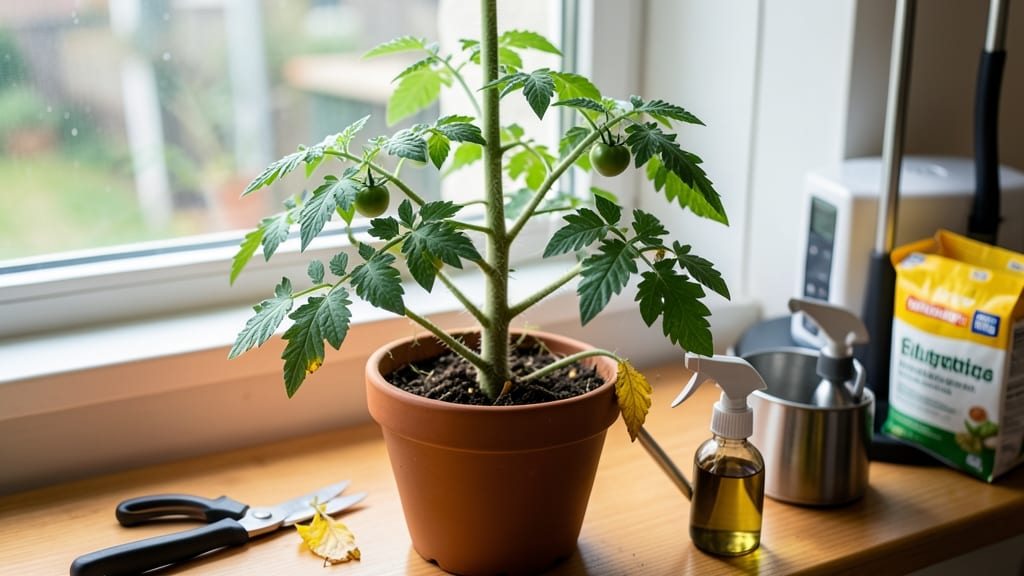
Overwintering tomato plants indoors lets you grow fresh fruit even when snow blankets the ground. 🌱 I've saved my best producers through winter by mimicking their natural light needs—14+ hours daily—using a mix of sunny windows and grow lights.
The key is catching them before the first frost, when plants are still healthy enough to adapt.
You'll need sturdy pots, a south-facing window or grow light, and a way to maintain 60-70°F temperatures. My setup uses a basic LED bulb on a timer, which costs pennies to run and prevents the leggy, weak growth that kills indoor tomatoes.
Humidity trays help too—tomatoes hate dry air, and winter homes make them crispy.
By February, you'll see new growth pushing toward the light, and with proper pruning, you can coax flowers and even fruit indoors. The plants stay productive for months, giving you homegrown tomatoes in January when stores sell sad, mealy ones.
Just watch for pests hiding in dry leaves and rotate plants weekly for even growth.
When spring arrives, harden off your overwintered plants gradually before replanting. They'll bolt to the garden like they never left—stronger, more established, and ready to produce even bigger harvests. This method works for any tomato variety, from cherry to beefsteak, as long as you give them light and love.
📚 In This Guide
- What you need
- Instructions
- Tips and common mistakes
- Wrapping up and next steps
What you need
- ● Tomato plants: 1–3 healthy, disease-free plants (choose compact or dwarf varieties like 'Tiny Tim' or 'Patio Princess' for indoor spaces).
- ● Containers: 5–10 gallon pots per plant with drainage holes (plastic, fabric, or ceramic).
- ● High-quality potting mix: 1–2 bags of well-draining, sterile mix (avoid garden soil).
- ● Grow lights: 1–2 full-spectrum LED grow lights (12–16 hours/day) or a south-facing window with supplemental lighting.
- ● Pruning shears: Sharp, clean pair for trimming foliage and suckers.
- ● Humidity tray or pebble tray: To maintain moisture levels (especially in dry indoor air).
- ● Fertilizer: Balanced liquid fertilizer (10-10-10 or 5-5-5) or slow-release granules.
- ● Support system: Small stakes or cages (3–4 ft tall) to keep plants upright.
- ● Reflective surfaces: Aluminum foil or white boards to bounce light around.
- ● Thermometer/hygrometer: To monitor temperature (65–75°F) and humidity (40–60%).
- ● Automatic timer: For grow lights (saves time and ensures consistency).
- ● Oscillating fan: To improve air circulation and prevent pests.
- ● Compost or worm castings: For a nutrient boost during dormancy.
Step-by-Step instructions for overwintering tomato plants indoors
Here's how to keep your tomato plants thriving through winter with minimal fuss.
🌱 Step 1: Prune and Prepare Plants for Indoor Transition
Start by pruning your tomato plants 2-3 weeks before the first frost. Cut back any damaged or diseased foliage first—this prevents pathogens from spreading indoors. Then, trim the plant down to half its height, focusing on removing the lower leaves that would touch cold soil. Use clean, sharp pruners to avoid tearing stems.
This isn't about making the plant smaller—it's about creating a more manageable shape. You want to preserve the main stem and sturdy branches while removing anything that would compete for energy. After pruning, give the plant a light feeding with balanced fertilizer (10-10-10) to help it recover and store nutrients for winter.
☀️ Step 2: Acclimate Plants to Indoor Light Gradually
Don't just move your tomatoes inside overnight—this causes shock. Instead, start by moving them to a protected outdoor spot (like a garage or covered porch) for 4-5 hours daily for 3-5 days. This helps them adjust to the lower light levels indoors without sudden stress. Watch for wilting or yellowing leaves, which are signs the transition is too abrupt.
Once inside, place your tomatoes near the brightest window available—south-facing is ideal. If you don't have a south window, supplement with a grow light on a timer set for 12-14 hours daily. Tomatoes need plenty of light to prevent leggy growth, so avoid dim corners or north-facing windows unless you're using artificial light.
🪴 Step 3: Adjust Watering and Humidity for Indoor Conditions
Indoor air is usually drier than outdoor humidity, so your tomatoes will need less frequent but deeper watering. Stick your finger 1 inch into the soil—if it feels dry, water until it's moist but not soggy. Overwatering is the fastest way to kill houseplants, especially tomatoes, which are prone to root rot in winter.
To maintain humidity, place the pot on a tray filled with pebbles and water (ensure the pot isn't sitting directly in water). Mist the leaves lightly 2-3 times weekly, focusing on the undersides where pests love to hide. Avoid wetting the foliage too much—this can invite fungal diseases like blight, which tomatoes are especially susceptible to indoors.
✂️ Step 4: Monitor and Maintain Plant Health Weekly
Check your tomatoes weekly for pests, particularly spider mites and aphids, which thrive in dry indoor air. Wipe leaves with a damp cloth or spray with neem oil if you spot any. Also, look for new growth—if you see yellowing leaves, it's often a sign of too little light or overwatering. Adjust accordingly.
Every 4-6 weeks, give your tomatoes a light trim to encourage bushier growth. Remove any leggy stems or suckers (the small shoots that grow in the leaf axils). This keeps the plant compact and helps it focus energy on producing healthy foliage rather than sprawling vines. If your tomatoes start flowering, you can pinch off the blossoms—they won't produce fruit indoors, and saving energy for leaves is better.
⏰ Step 5: Plan for Spring Transition Back Outdoors
Start preparing your tomatoes for outdoor life again 6-8 weeks before your last frost date. Gradually increase their time outside, starting with 1-2 hours daily in a sheltered spot. This process, called hardening off, helps them adjust to sunlight, wind, and temperature changes without shock. Watch for any signs of stress, like wilting or discoloration, and adjust their outdoor time accordingly.
Before moving them permanently outside, trim back any overly long stems and fertilize lightly to encourage new growth. Once the soil is warm enough (60°F), transplant them into the garden. Overwintered tomatoes often produce fruit earlier than new plants, giving you a head start on the growing season!
Tips & tricks for overwintering tomato plants indoors
These simple adjustments will help your tomato plants thrive through winter like a seasoned gardener's secret weapon.
Timing is Everything: When you start the gradual acclimation process in Step 2, pay close attention to the 4-5 hours daily for 3-5 days—this is where most people rush and end up with shocked plants. I've seen tomatoes wilt dramatically when moved inside too quickly, so take your time. The key is to mimic the natural light cycle they're used to, even if it's just a few hours at a time. Trust me, those extra couple of days prevent a world of stress for your plants.
Light Strategy: For the 12-14 hours daily of light in Step 2, position your grow light just 6-12 inches above the plant—closer for cooler light bulbs, farther for hotter ones. I use a simple LED grow light on a timer, and it's made all the difference in preventing leggy growth. If you notice your tomatoes stretching toward the light, it's time to move the light closer or increase the intensity. This is especially important during our shorter winter days when natural light is limited.
Pruning Precision: In Step 1, when you're trimming the plant down to half its height, focus on removing the lower leaves that would touch cold soil. This isn't just about aesthetics—it's about preventing disease. I've learned this the hard way after seeing blight spread from damp foliage to my overwintered tomatoes. Always use clean, sharp pruners and make cuts at a 45-degree angle just above a leaf node to encourage new growth in the right places.
Spring Transition: The 6-8 weeks before your last frost date is your window to prepare for the big move back outside. Start with just 1-2 hours daily in a sheltered spot, gradually increasing exposure. I like to move my tomatoes to a covered porch first, then to a more exposed location. Watch for any signs of stress like wilting or discoloration—these are your plant's way of saying "slow down." This gradual process helps them adjust to the stronger sunlight and temperature fluctuations they'll face outdoors.
Pro Tips for Overwintering Tomato Plants Indoors
- These simple adjustments will help your tomato plants thrive through winter like a seasoned gardener's secret weapon.
- Timing is Everything: When you start the gradual acclimation process in Step 2, pay close attention to the 4-5 hours ...
- Light Strategy: For the 12-14 hours daily of light in Step 2, position your grow light just 6-12 inches above the pla...
Frequently asked questions
When is the best time to bring tomato plants indoors for overwintering?
Start moving potted tomato plants indoors before the first frost hits—typically 2–3 weeks ahead of your area’s average first freeze date. Aim for late summer or early fall when temperatures drop below 50°F (10°C). This gives plants time to adjust to lower light and slower growth without stress.
Can I overwinter tomato plants in a basement or garage?
Basements and garages are not ideal for overwintering tomatoes due to poor light and temperature fluctuations. If you must use them, supplement with grow lights (12–16 hours/day) and maintain temps between 50–60°F (10–15°C). A sunroom, greenhouse, or well-lit indoor space with humidity control works far better.
How do I prevent pests from moving indoors with my tomato plants?
Inspect plants thoroughly for pests (aphids, spider mites, whiteflies) before bringing them inside. Quarantine new plants for 1–2 weeks, treat with neem oil or insecticidal soap, and avoid overcrowding. Use sticky traps near windows to catch hitchhikers early.
Will my tomato plants produce fruit if overwintered indoors?
Yes, but expect smaller yields and slower growth. Focus on dwarf or determinate varieties (e.g., ‘Tiny Tim’ or ‘Patio Princess’) for better indoor success. Prune aggressively to manage size, and pollinate by hand (gently shake plants or use a small brush). Harvest green tomatoes and ripen them indoors with ethylene (e.g., a bowl of apples nearby).
What’s the best way to revive a struggling overwintered tomato plant?
If leaves yellow (chlorosis) or drop, check for light deficiency (add grow lights) or overwatering (let soil dry slightly between waterings). Trim dead growth, repot if roots are bound, and fertilize lightly with a balanced 10-10-10 mix. Avoid cold drafts—keep plants in a consistent 55–65°F (13–18°C) zone.
Wrapping up and next steps
Overwintering tomato plants indoors isn’t just a clever trick—it’s a rewarding way to extend your harvest and enjoy fresh, homegrown tomatoes year-round! 🌱 With the right light-capturing hacks, pruning strategies, and a dash of patience, you’ll turn your indoor space into a thriving tomato sanctuary.
Start small, experiment with setups, and soon you’ll be celebrating homegrown tomatoes in every season.
Ready to take the next step? Pick one plant to overwinter this year—whether it’s a favorite heirloom or a high-yield hybrid—and put these tips into action. Your future self (and taste buds!) will thank you.