
Companion Plants
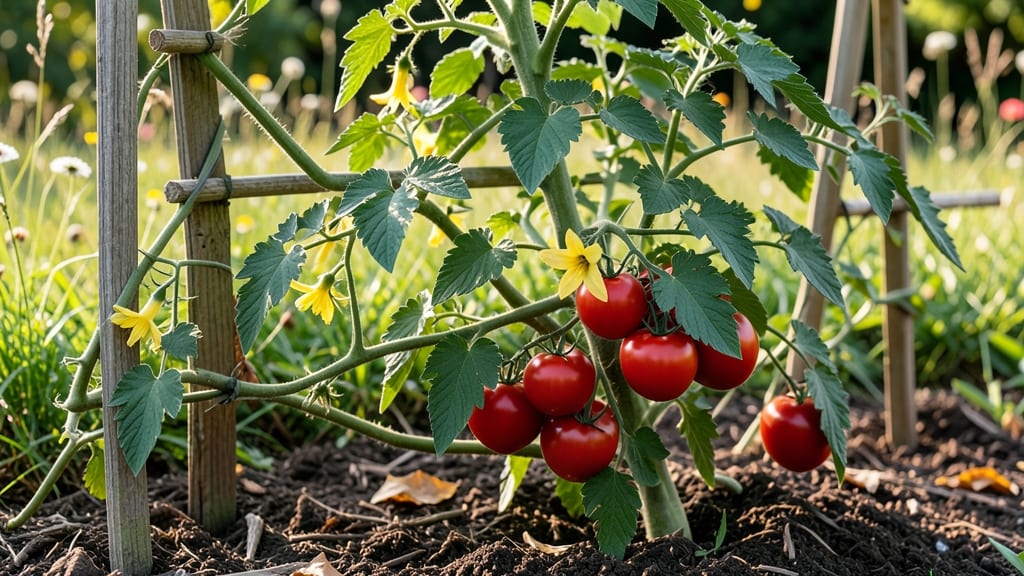
Growing Park Whopper tomato plants means harvesting 10-pound beefsteak tomatoes that taste like summer in every bite. 🌱 These heirlooms aren’t just big—they’re flavor-packed, disease-resistant, and perfect for slicing straight from vine to plate. The key?
Starting with strong plants, giving them room to sprawl, and feeding them right from day one. The first rule is space: these vines need 6-8 feet of vertical support or a 10-foot row in the ground.
My first attempt with a 5-foot cage ended with tangled vines and fruit touching the soil—don’t make that mistake. Amend your soil with compost before planting, and choose a spot that gets full sun (at least 8 hours daily). The deeper the roots, the sweeter the fruit.
By midsummer, you’ll see foot-long trusses heavy with 2-3 pound tomatoes, their rich red skins splitting with juice. Prune suckers regularly to focus energy on fruit, and stake them early to prevent snapping. The payoff? Tomatoes so large they need two hands to hold—and neighbors asking for seeds.
These plants thrive in zones 4-10, but the real secret is consistency. Water at the base (not the leaves) to prevent blight, and fertilize with low-nitrogen feed once fruit sets. With the right care, you’ll go from seedling to harvesting giants in just 80 days.
📚 In This Guide
- What you need
- Instructions
- Tips and common mistakes
- Wrapping up and next steps
What you need
- ● Park Whopper tomato seeds or seedlings: 3–5 plants (for optimal spacing and yield). Look for Solanum lycopersicum varieties labeled as "Park Whopper" or "beefsteak" types.
- ○ Containers or garden bed: Containers: 5-gallon pots or larger (at least 18" deep and wide) with drainage holes. Optional: Self-watering pots for convenience.
- ● Garden bed: Full sun (6–8+ hours daily), well-draining soil with a pH of 6.0–6.8.
- ● High-quality potting mix: 10–15 lbs of organic, well-draining mix (e.g., 60% peat/coir, 30% perlite/vermiculite, 10% compost). Pro tip: Avoid garden soil—it compacts too easily!
- ● Fertilizer: Balanced starter fertilizer: 10-10-10 or 5-5-5 (follow package rates for seedlings).
- ○ Tomato-specific fertilizer: High in phosphorus/potassium (e.g., 7-9-5) for flowering/fruiting. Optional: Slow-release granules or liquid feed.
- ● Support system: Cages or stakes: 6–8 ft tall tomato cages or sturdy bamboo/wooden stakes (2–3 per plant).
- ● Trellis or string: For indeterminate varieties (if growing vertically).
- ● Mulch: 2–3 inches of straw, wood chips, or black plastic (to retain moisture and suppress weeds).
- ● Watering supplies: Watering can or hose with a gentle spray nozzle.
- ○ Optional: Drip irrigation kit for consistent moisture.
- ● Pruning shears: For trimming suckers and shaping vines.
- ● Epsom salt: 1 tbsp/month in water (boosts magnesium for fruit development).
- ● Companion plants: Basil, marigolds, or borage to deter pests and improve growth.
- ● Shade cloth: For hot climates (30–50% shade during peak sun hours).
- ● Grow lights: If starting seeds indoors (LED or fluorescent, 12–16 hrs/day).
How to grow Park Whopper tomato plants for maximum yield
This heirloom giant thrives with the right support and care—here's how to coax those 2-pound fruits from your garden.
🌱 Step 1: Choose the Right Location and Prepare the Soil
Park Whoppers need full sun exposure (8+ hours daily) and rich, well-draining soil with a pH between 6.0-6.8. I always test my soil first—these plants are heavy feeders and won't tolerate poor nutrition. Amend your bed with 2-3 inches of compost mixed into the top 12 inches of soil, plus a balanced 10-10-10 fertilizer at planting time.
These vines grow 8-10 feet tall, so plant them where they won't block sunlight from other crops. If space is tight, use a cage or trellis system from day one—transplanting later risks root damage. I stake mine with heavy-duty tomato cages (6 feet tall) buried 12 inches deep to prevent toppling.
🌿 Step 2: Plant Deeply and Prune for Structure
Bury the stem 3/4 of the way into the soil—this encourages strong root development along the buried portion. Remove all leaves below the soil line and any lower suckers (side shoots) to direct energy upward. Park Whoppers produce massive fruit loads, so prune aggressively: keep only 1-2 main stems and remove all suckers larger than 1 inch to prevent overcrowding.
Here's the thing—these plants need strong airflow to prevent disease. I prune every 7-10 days during peak growth, cutting back to the lateral branch just above a leaf cluster. This creates an open, umbrella-like structure that supports those 2-pound tomatoes without snapping.
☀️ Step 3: Water Deeply and Feed Consistently
Water at the base only (never overhead) to prevent fungal diseases like early blight. Aim for 1-2 inches of water per week, delivered deeply 2-3 times per week rather than light daily sprinkles. You'll know you're doing it right when the top 2 inches of soil feel dry before the next watering.
Feed every 2-3 weeks with a low-nitrogen, high-phosphorus fertilizer (5-10-10) once flowers appear. I also top-dress with compost tea monthly for micronutrients—these plants show deficiencies fast. Watch for yellowing leaves (nitrogen) or blossom end rot (calcium), both common with heavy feeders like Park Whoppers.
✂️ Step 4: Support and Harvest for Maximum Yield
As fruits approach golf-ball size, tie them to the cage with soft plant ties to prevent stem breakage. These tomatoes get heavy—I've seen 2-pounders crack cages designed for smaller varieties. When harvesting, grasp the fruit gently but firmly at the stem and twist slightly to avoid tearing the vine.
Remove overripe tomatoes immediately—they attract pests and can split neighboring fruit. I harvest every 2-3 days during peak season to keep production going. Store them at room temperature (never refrigerated) to preserve flavor and texture.
🌱 Step 5: Overwinter and Plan for Next Year
After the first frost blackens the vines, cut them back to 6 inches tall and compost the healthy portions. I mark the planting spot with stakes to avoid disturbing roots when rotating crops next season. Park Whoppers are annuals, but their seeds produce true-to-type plants—save seeds from your best fruits for next year.
Real talk: these plants are high-maintenance but worth every minute. The first time you slice into a 2-pound tomato still warm from the vine, you'll understand why gardeners obsess over them. Start small—maybe just 2 plants—before committing to a full tower garden.
Tips & tricks for growing Park Whopper tomato plants
These game-changing insights will help you transform your garden into a 2-pound tomato factory—without the common pitfalls that sabotage most growers.
Soil Prep Secret: Don't just amend the top layer—dig that 2-3 inches of compost and 10-10-10 fertilizer down to 12 inches deep where the roots will actually grow. I've seen Park Whoppers with roots extending 3 feet deep when given this deep nutrition. Think of it as planting a root buffet these hungry vines can feast on all season.
Pruning Precision: When you're pruning every 7-10 days during peak growth, focus on removing suckers that are larger than 1 inch—these are the energy vampires that drain your plant's resources. I keep only 1-2 main stems and always cut back to the lateral branch just above a leaf cluster. This open structure isn't just about airflow—it's about creating a scaffold strong enough to support those 2-pound fruits without snapping under their own weight.
Watering Wisdom: The 1-2 inches per week guideline works, but timing matters more than you think. Water in the early morning when evaporation is lowest, and always water at the base—never overhead. I've seen early blight wipe out entire plants when gardeners watered in the evening. And here's the thing about that 2-3 times per week schedule: if it rains, you're not counting that toward your total. These plants need consistent moisture, not a daily sprinkle.
Support System Upgrade: Those 6-foot tall heavy-duty tomato cages are essential, but I take it one step further by adding horizontal cross-bracing at the top. I use sturdy wooden dowels tied between cages to create a rigid frame. This prevents the cages from toppling when the vines get heavy, and it gives you extra surface area for tying those massive fruits. I've had 2-pound tomatoes that would've cracked standard cages—this system handles them like a champ.
Pro Tips for Park Whopper Tomato Plants
- These game-changing insights will help you transform your garden into a 2-pound tomato factory—without the common pit...
- Soil Prep Secret: Don't just amend the top layer—dig that 2-3 inches of compost and 10-10-10 fertilizer down to 12 in...
- Pruning Precision: When you're pruning every 7-10 days during peak growth, focus on removing suckers that are larger ...
Frequently asked questions
Got questions about growing your own Park Whopper tomato plants?
You’re not alone! Here are some of the most common queries—and their answers—to help you grow these giants like a pro.
How tall do Park Whopper tomato plants really get?
These beauties can reach 10–15 feet tall (or taller!) with proper support. They’re indeterminate, meaning they keep growing all season long. Use a sturdy tomato cage or trellis (at least 6–8 feet high) to keep them upright and prevent sprawling. Think of it like training a vine to climb a jungle gym!
When is the best time to plant Park Whopper tomato seeds or seedlings?
Start seeds indoors 6–8 weeks before your last frost date (typically March–April in most zones). Transplant seedlings outdoors after soil temps hit 55°F+ and nighttime temps stay above 50°F. For warm climates, direct-sow seeds in early spring—just avoid planting too early, or they’ll sulk in cold soil.
Why aren’t my Park Whopper tomatoes ripening—what’s wrong?
Blame cool nights, overcrowding, or poor pollination. Try these fixes:
- Warm them up: Use row covers or black plastic mulch to raise soil temps.
- Give them space: Prune suckers and ensure 18–24" between plants.
- Hand-pollinate: Gently shake plants or use a paintbrush to transfer pollen.
If blossoms drop without fruiting, it’s often a calcium deficiency—try a side-dressing of crushed eggshells or lime.
What are the best companion plants for Park Whopper tomatoes?
Pair them with:
- Herbs: Basil, thyme, or oregano (repel pests and boost flavor!).
- Veggies: Carrots, onions, or lettuce (they share space well).
- Avoid: Brassicas (like cabbage) or corn (they compete for nutrients).
Pro tip: Plant marigolds nearby to deter nematodes and attract pollinators!
Can I grow Park Whopper tomatoes in containers?
Yes, but choose a pot at least 5 gallons deep (bigger is better!). Use a lightweight potting mix with compost, and add a tomato support stake or trellis. Containers dry out faster, so water daily in hot weather and fertilize weekly with a balanced liquid feed. Just know they may yield slightly less than in-ground plants.
Bonus Tip: Prune like a pro!
Pinch off suckers (the little shoots in the leaf axils) to direct energy to fruit growth. Leave 3–4 main stems and prune lower leaves to improve airflow. This keeps your Whopper productive and pest-free!
Wrapping up and next steps
Growing Park Whopper tomato plants is a rewarding journey that brings big flavors and even bigger rewards to your garden! 🌱 With their towering vines and juicy, beefsteak-sized fruits, these beauties are perfect for both beginners and seasoned gardeners.
Whether you're pairing them with basil, marigolds, or other companion plants, the key is patience, proper care, and a little love.
Ready to harvest the fruits of your labor? Start by planting your seedlings this spring, and soon you’ll be savoring homegrown tomatoes that rival any grocery store find. Next up: mark your calendar for transplanting and get ready to watch your garden thrive!