
Companion Plants
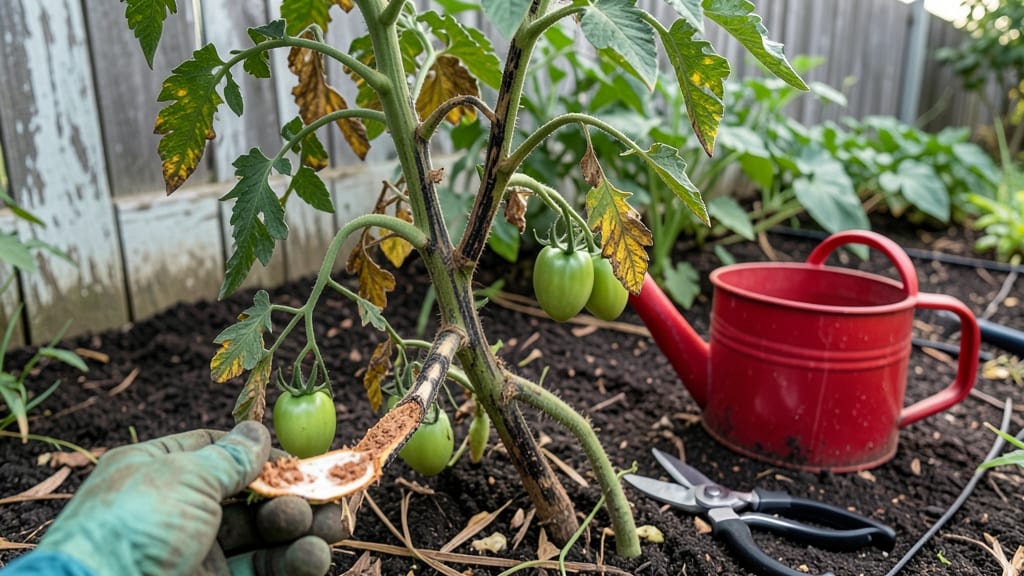
Pith necrosis turns your thriving tomato stems into hollow, crumbly messes overnight. 🌱 I’ve seen it ruin entire plants in just days—first as wilting leaves, then the telltale brown streaks when you cut open the stem. But there’s hope: catching it early and acting fast can save your harvest.
The culprit is usually a mix of bacterial wilt or environmental stress—too much heat, inconsistent watering, or poor soil drainage. Infected stems turn brown inside, collapse under their own weight, and spread quickly if not removed.
The good news? Prevention is straightforward: rotate crops, test soil pH, and avoid overhead watering.
Here’s the game-changer: prune infected plants immediately, sterilize tools with rubbing alcohol, and boost soil health with compost. For existing plants, try a copper-based fungicide (like copper sulfate) to slow bacterial spread. With these steps, your next tomato season stays strong and productive.
Long-term, focus on resistant varieties like ‘Mountain Merit’ or ‘Defiant PhR,’ and mulch heavily to regulate soil moisture. The key is consistency—healthy soil and plants fight off necrosis better than any treatment. Let’s get your tomatoes back on track!
Root Causes Of Tomato Pith Collapse
Pith necrosis in tomato plants—where the center of the stem turns brown, mushy, or hollow—is rarely a single culprit but usually a perfect storm of stress factors. Understanding the why behind this condition is the first step to fixing it.
Below, we break down the most common triggers, from environmental pressures to cultural mistakes, and explain the science behind each one.
Tomatoes thrive in consistent warmth (60–85°F), but sudden shifts—especially cold snaps or heatwaves—disrupt their vascular system. When temperatures drop below 50°F or spike above 90°F for days, the plant’s xylem vessels (which transport water and nutrients) can become clogged or damaged.
- Cold Stress: Low temps cause waterlogging in stems, leading to bacterial or fungal invasion of the pith. Pseudomonas bacteria, for example, exploit weakened tissues.
- Heat Stress: High temps increase transpiration rates, making it harder for roots to keep up. The stem’s center (pith) dries out unevenly, creating dead zones.
- Frost Damage: Ice crystals rupture cell walls, blocking nutrient flow and inviting rot.
💡 Pro Tip: Use row covers in spring/fall or shade cloth in summer to buffer swings. Mulch with straw to stabilize soil temps.
Tomatoes are thirsty but hate soggy roots. When soil stays waterlogged—whether from excessive irrigation, compacted clay, or lack of drainage—the stem’s pith suffocates. Here’s how it happens:
- Oxygen Deprivation: Roots can’t breathe, so they release ethylene gas, signaling the plant to shut down non-essential growth (like the pith).
- Fungal Invaders: Pythium and Phytophthora thrive in wet conditions, rotting the stem from the inside out.
- Nutrient Imbalance: Waterlogged soil leaches nitrogen, leaving tomatoes starved and vulnerable to stress.
🔥 Warning Sign: If your soil stays damp 2+ days after watering, you’re overdoing it. Test drainage by digging a hole—if water pools after 6 hours, amend with perlite or compost.
Tomatoes are heavy feeders, and imbalances—especially with calcium, potassium, or boron—directly attack the pith. Here’s the breakdown:
| Nutrient Issue | How It Causes Pith Necrosis | Fix It With |
|---|---|---|
| Calcium Deficiency | Weakens cell walls, leading to blossom-end rot and stem collapse. Calcium moves slowly in plants, so new growth (like stems) suffers first. | Calcium nitrate (1 tbsp/gallon) or crushed eggshells worked into soil. |
| Potassium Deficiency | Reduces osmotic pressure, causing cells to burst under stress. Tomatoes may also show yellowing leaf edges. | Wood ash or potassium sulfate (follow package rates). |
| Boron Toxicity | Too much boron (common in high-pH soils) disrupts cell division, turning pith brown and brittle. | Flush soil with water to leach excess; add sulfur to lower pH if needed. |
| Excess Nitrogen | Promotes leafy growth over roots, starving the stem of support. Soft, hollow pith is a red flag. | Switch to balanced fertilizer (e.g., 5-10-10) and reduce applications. |
🌡️ Soil Test First: Before guessing, test your soil’s pH and nutrient levels. Most extension offices offer affordable kits.
Pathogens don’t cause pith necrosis alone—they exploit weakened plants. But once they get in, they spread like wildfire. The usual suspects:
- Bacterial Wilt (Ralstonia solanacearum):
- Enters through root wounds or pruning cuts, clogging xylem with bacterial slime.
- Symptoms: Sudden wilting (even with wet soil), oozing stem lesions.
- Spreads via water splashing or contaminated tools.
- Fusarium/Wilt (Fusarium oxysporum):
- Thrives in hot, dry soil and compromised roots. Produces toxins that kill vascular tissue.
- Look for yellowing lower leaves followed by blackened pith.
- Verticillium Wilt:
- Fungus invades roots, then moves upward, discoloring the pith in a V-shaped pattern.
- Worse in cool, wet springs.
🔪 Prevention: Rotate crops (don’t plant tomatoes/solances in the same spot for 3+ years), sterilize pruners with rubbing alcohol, and avoid overhead watering.
Even minor injuries can open the door to pith necrosis. Common culprits:
- Rough Handling: Dropping plants or brushing stems against fences creates entry points for bacteria/fungi.
- Improper Pruning: Cutting too close to the stem or using dull shears crushes tissue, inviting rot.
- Grafting Failures: Poorly healed grafts (common in commercial tomato varieties) can strangle the stem, cutting off nutrient flow.
- Wind/Storm Damage: Bent or snapped stems disrupt the vascular system, leading to localized necrosis.
👨🍳 Fix It: If damage is minor, prune above a leaf node and treat cuts with copper
How to Revive and Protect Your Tomatoes
Pith necrosis can feel like a death sentence for your tomato plants, but don’t toss those vines just yet! With the right approach, you can nurse your plants back to health—and even prevent future outbreaks.
Below, we’ve mapped out practical, step-by-step solutions tailored to the root causes of pith necrosis, plus pro tips to keep your tomatoes thriving.
If your plants are starving for calcium, they’ll show it fast—especially in hot, dry weather. Here’s how to boost calcium levels and stop the spread:
🍳 Emergency Calcium Boost (Fast Action)
- Mix a calcium-rich solution: Combine 1 tablespoon of calcium nitrate or gypsum (or even crushed eggshells) with 1 gallon of water.
Stir well until dissolved. - Water deeply at the base of the plant, avoiding the leaves to prevent fungal issues.
Do this every 5–7 days until symptoms improve. - Pro tip: 💡 For extra calcium, add 1 tablespoon of Epsom salt (magnesium sulfate) to the mix—it supports overall plant health.
🌱 Long-Term Soil Fix (Prevention)
- Amend your soil with composted manure, bone meal, or crushed oyster shell (rich in calcium).
Work it into the top 6–8 inches of soil before planting next season. - Mulch heavily with straw or wood chips to retain moisture and prevent calcium leaching during heatwaves. - Avoid over-fertilizing with nitrogen—too much can lock out calcium. Stick to a balanced 10-10-10 or 5-10-10 fertilizer.
Tomatoes hate extreme heat, especially when combined with drought. If your plants are wilting or showing pith necrosis due to heat, cool them down fast:
👨🍳 Shade and Water Tricks
- Provide afternoon shade with floating row covers, shade cloth (30–50%), or even a light tarp during peak heat (12 PM–4 PM).
- Water deeply in the morning (1–2 inches per week) to keep roots cool.
Use drip irrigation or soaker hoses to avoid wetting leaves (which attracts disease). - Mist leaves lightly on very hot days (early morning or late evening) to lower leaf temperature—but avoid doing this at night to prevent fungal growth.
🎯 Adjust Planting Times (Future-Proofing)
- Start seeds indoors 6–8 weeks before your last frost date, but delay transplanting until soil temps are below 75°F (24°C).
- Choose heat-tolerant varieties like ‘Heatmaster,’ ‘Solar Fire,’ or ‘Mountain Merit’—they handle warmth better than standard tomatoes.
- Plant in raised beds or containers filled with moisture-retentive potting mix (like 60% compost, 30% coconut coir, 10% perlite).
If pith necrosis is caused by fungal pathogens (like Fusarium or Verticillium), you’ll need to disinfect, remove, and prevent.
🏥 Treat Infected Plants
- Prune away diseased stems using sterilized pruners (wipe with rubbing alcohol between cuts). Do not compost infected plant material—burn or trash it instead.
- Apply a fungicide like copper fungicide, neem oil (1%), or baking soda spray (1 tbsp baking soda + 1 quart water + a few drops of dish soap).
Spray every 7–10 days until new growth appears. - Avoid overhead watering—always water at the base to keep leaves dry.
🌿 Prevent Fungal Spread (Next Season)
- Rotate crops: Don’t plant tomatoes, peppers, or eggplants in the same spot for 3 years—this breaks the fungal life cycle.
- Solarize your soil: Cover beds with clear plastic for 4–6 weeks in hot sun to kill fungal spores before replanting.
- Use resistant varieties: Look for ‘Defiant PhR,’ ‘Bravo,’ or ‘Big Beef’—these are bred to resist common soil-borne diseases.
Poor watering habits are a top cause of pith necrosis. Inconsistent moisture = stressed plants = necrosis.
💧 The Perfect Watering Routine
- Water consistently: Aim for 1–1.5 inches per week, split into 2–3 sessions (e.g., Monday/Wednesday/Friday).
- Check soil moisture before watering—stick your finger 1–2 inches deep.
If it’s dry, water; if damp, wait. - Avoid wetting leaves—use drip lines or soaker hoses buried slightly in the soil. - Mulch like a pro: Apply 3–4 inches of straw or wood chips to lock in moisture and keep roots cool.
Plant these tomato sidekicks to improve soil calcium, deter pests, and shade roots:
| Companion Plant | Benefit |
|---|---|
| Basil | Repels pests, improves flavor, shades soil |
| Marigolds | Deters nematodes and fungi |
| Nasturtiums | Trap aphids, add calcium to soil |
| Beans or Peas | Fix nitrogen, improve soil health |
| Garlic/Onions | Natural fungicide, repel pests |
If your tomato plant is beyond saving, don’t lose hope—healthy stems can regrow!
- Cut back the plant to healthy green growth (above the last good leaf).
- Prune aggressively to remove all diseased tissue.
- Fertilize with calcium and keep watering consistently.
- Watch for new suckers—these may produce small but edible tomatoes later in the season.
Remember: Pith necrosis is manageable—but the key is acting fast. Start with calcium fixes, cooling strategies, and strict watering discipline, then prevent future issues with smart soil care. Your tomatoes will thank you with juicy, healthy fruit all season long! 🍅✨
Frequently asked questions about tomato pith necrosis
How do I confirm my tomato plant has pith necrosis?
Cut open a stem lengthwise—if the center looks brown, mushy, or hollow instead of white and firm, that's pith necrosis. You'll also notice wilting leaves even when soil is moist, and stems may feel hollow when squeezed. Compare healthy stems (solid white center) to infected ones.
Can I save a tomato plant with pith necrosis?
Only if you catch it early! Prune away all infected stems immediately with sterilized tools, and treat remaining plants with a copper fungicide or baking soda spray. For severe cases, cut back to healthy growth and fertilize with calcium. Expect smaller yields, but new growth may recover with proper care.
Why does pith necrosis spread so quickly?
Bacterial wilt and fungal pathogens thrive in stressed plants, clogging the stem's vascular system like a blocked pipe. Heat, poor drainage, and nutrient imbalances weaken defenses, allowing pathogens to multiply rapidly. Once one plant is infected, contaminated tools or water can spread it to others within days.
What's the best way to prevent pith necrosis next season?
Start with crop rotation (avoid planting tomatoes in the same spot for 3 years), improve drainage, and test soil pH. Use drip irrigation to avoid wetting leaves, and choose resistant varieties like 'Defiant PhR'. Mulch heavily with straw to stabilize moisture and temps.
Will compost help prevent pith necrosis?
Yes! Well-aged compost improves soil structure and provides balanced nutrients, reducing stress. However, fresh manure can introduce pathogens, so compost for at least 6 months before using. Mix it into the top 6-8 inches of soil to boost calcium and organic matter.