
Companion Plants
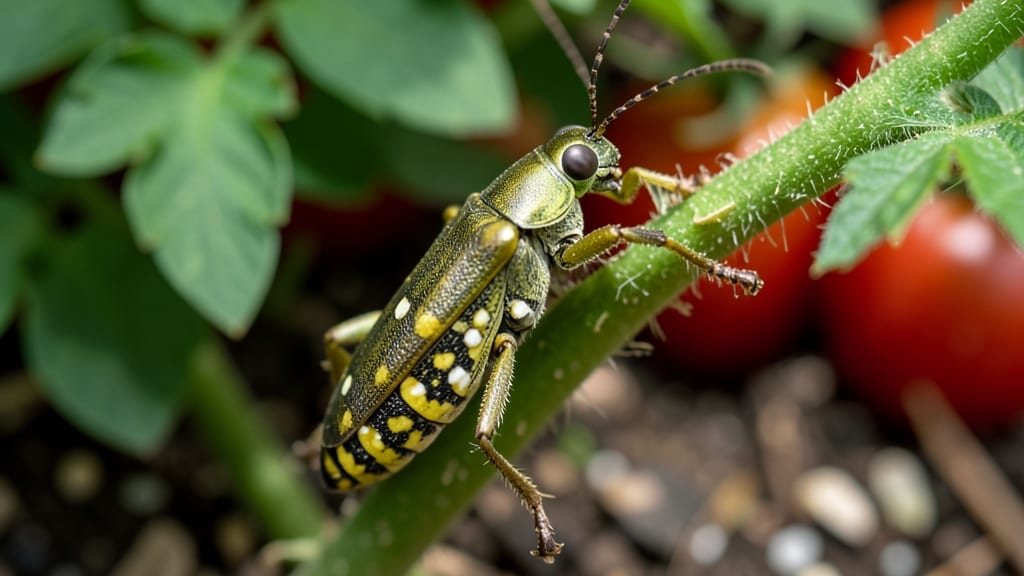
Skunks don't typically eat tomato plants, but they'll uproot seedlings and disturb garden beds while searching for grubs, insects, and fallen fruit—causing more damage through their digging than through actual plant consumption.
Skunks are opportunistic foragers, and while they won't munch on tomato foliage, their digging habits create far more problems for your garden. 🌱 These striped bandits target the soil beneath your plants, disrupting root systems and leaving seedlings vulnerable.
Their primary diet includes insects, small rodents, and fruit—but tomato plants become collateral damage when skunks root around for hidden snacks. The real threat isn't the plants themselves, but the destruction of their supporting structures.
If you've noticed missing seedlings or trampled plants, skunks are likely the culprits. Their digging can expose roots to pests and disease, while the physical disturbance stresses plants that might otherwise thrive.
The good news? With the right deterrents—like proper fencing or natural repellents—you can protect your tomato garden without harming these nocturnal visitors.
💡 In This Article
- Skunk Diet and Tomato Plant Damage Patterns
- Natural and Physical Barriers to Keep Skunks Out of Tomato Gardens
Skunk diet and tomato plant damage patterns
Skunks are omnivorous scavengers with a diet that includes insects (60% of their intake), small mammals, eggs, and fallen fruit—but tomato plants themselves aren’t their primary target. Their digging behavior stems from hunting for grubs, worms, and beetles hiding in garden soil.
A single skunk can move 10-15 pounds of dirt while foraging, creating tunnels that sever tomato roots and expose them to rot or pests. 🔥
The real damage occurs when skunks disturb seedlings (under 6 inches tall), which have shallow root systems. Unlike mature tomato plants with deep taproots, young plants get easily uprooted or trampled.
Studies show skunks prefer gardens with loose, well-aerated soil where insects thrive—making raised beds particularly vulnerable. Their digging also disrupts soil microbes, reducing nutrient availability for plants.
Tomato plants fare worse than other crops because their stems are brittle when young. Skunks rarely eat the foliage, but their root disturbance causes wilting and stunted growth.
Compare this to corn (which skunks avoid due to its height) or berry bushes (protected by thorns)—tomatoes offer little physical defense against digging. The scent of disturbed soil attracts more skunks, creating a cycle of damage.
Skunks also target fallen fruit, which ferments and attracts them to garden edges. A single skunk can create multiple 6-inch-deep holes in a night, while their musk glands make them territorial—once one skunk finds your garden, others follow.
The key difference from squirrels or rabbits is that skunks don’t eat plants; they’re soil engineers with unintended consequences for your crops.
Interestingly, skunks show seasonal patterns: they dig most aggressively in spring (March-May) when insect populations peak, and again in fall (September-October) before hibernation. This timing aligns with tomato planting seasons, making young plants especially vulnerable during these periods. 🌱
To minimize damage, focus on root protection—skunks rarely climb or browse foliage. Use hardware cloth barriers around seedling areas or apply 1-2 inches of mulch to deter digging. The goal isn’t to make tomatoes unappealing (they’re not), but to make the soil less accessible to foraging skunks.
Remember: skunks are nature’s pest controllers, eating thousands of insects annually. The challenge is redirecting their foraging elsewhere while protecting your tomato crop. Their digging is the real enemy, not the plants themselves. ✨