
Pruning
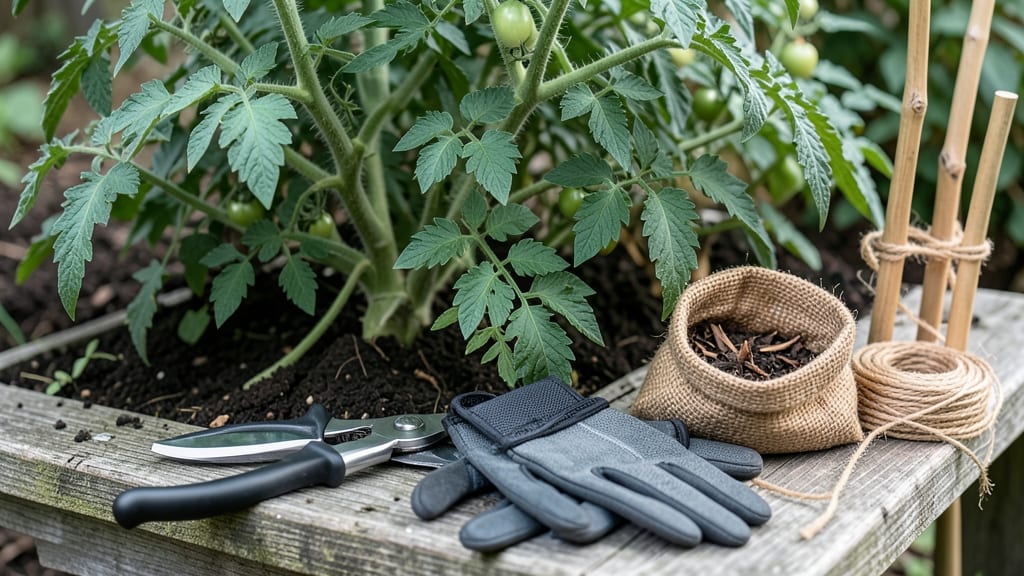
Your pruning overgrown tomato plants is the first step to reviving them—time for a revival. ✂️ I’ve turned tangled, weak tomato plants into productive bushes with just three focused cuts, and the difference is night-and-day growth by harvest time.
The key is working with the plant’s natural shape, not against it. Grab your pruners and a sunny afternoon—you’ll need to remove suckers (those little shoots between stems) and trim back leggy growth to encourage thicker, stronger branches.
Most people overdo it, but we’re aiming for 3-4 main stems with plenty of airflow.
After pruning, your plants will bounce back faster than you think. New leaves unfurl within days, and the remaining stems thicken up, supporting heavier fruit loads. The best part? You’ll avoid the common pitfalls of disease from crowded vines and wasted energy on weak growth.
This works for indeterminate varieties in containers or raised beds—just adjust the pruning frequency based on how fast your plants grow. Let’s get those tomatoes back on track!
📚 In This Guide
- What you need
- Instructions
- Tips and common mistakes
- Wrapping up and next steps
What you need
- ● Bypass pruning shears – Sharp, clean, and sterilized (7–10 inches long) to avoid crushing stems.
- ● Gloves – Heavy-duty gardening gloves (nitrile-coated for grip and protection from thorns).
- ● Disinfectant (70% isopropyl alcohol or bleach solution) – To sterilize tools between cuts and prevent disease.
- ● Garden twine or clips – For securing vines to stakes or trellises (if needed).
- ○ Sturdy stakes or trellis (optional but helpful) – 6–8 feet tall for indeterminate varieties.
- ● Watering can or hose – To hydrate plants before and after pruning.
- ○ Compost or mulch – To replenish soil nutrients post-pruning (optional but recommended).
- ● Hand pruners (for smaller branches) – Ergonomic design for comfort during long sessions.
- ● Knee pads – If you’re working close to the ground for extended periods.
- ● Sharpie or plant marker – To label varieties if pruning multiple tomato types.
- ● Plant food (balanced fertilizer, 10-10-10) – To give your tomatoes a nutrient boost after pruning.
- ● Sunscreen & hat – For those long, sunny pruning days!
Instructions for pruning overgrown tomato plants
Here's the straightforward method I use to rescue sprawling tomato vines—no fancy tools or guesswork.
✂️ Step 1: Assess the Plant and Gather Your Tools
Start by examining your tomato plant closely. Look for suckers—those little shoots growing in the "V" between the main stem and branches. These are the first things to remove, as they drain energy from fruit production. Grab a pair of clean, sharp pruning shears (or even a sterilized knife) and a small bucket to collect cuttings.
I always prune on a dry morning after the dew has evaporated. Wet plants are more prone to disease when you cut into them. Wear gloves too—tomato vines can be prickly, and you'll want to keep your hands clean for handling fruit later.
✂️ Step 2: Remove Suckers and Trim Excess Growth
Pinch or cut out suckers as soon as you spot them—these are the small shoots in leaf axils (where leaves meet the stem). Never leave a stub; always cut or pinch right at the base. This prevents regrowth and directs the plant's energy toward existing fruit rather than new shoots.
For overgrown vines, also trim back any branches that are crossing or rubbing against each other. These can create wounds that invite disease. Focus on keeping the plant's structure open and airy—this improves airflow and reduces humidity around the foliage, which is key for preventing fungal issues like blight.
☀️ Step 3: Thin Leaves and Balance the Plant
Remove about one-third of the lower leaves—those closest to the soil. These leaves often touch the ground and can harbor pests or diseases. Use your shears to make clean cuts just above a leaf node or branch. You'll see new growth sprout from those nodes, keeping the plant vigorous.
Finally, check for any yellowing or diseased leaves and prune those immediately. Toss them in the trash (not your compost)—you don't want to spread any pathogens back to your garden. After pruning, step back and admire your plant's new shape. It should look more balanced, with sunlight able to reach the lower branches where fruit is forming.
🌿 Step 4: Clean Up and Monitor Progress
Sterilize your pruning tools with rubbing alcohol or a 10% bleach solution to prevent spreading disease. Wipe down the tools thoroughly and let them dry before storing. This is a critical step—skipping it can turn your pruning session into a disease spreader.
Water the plant deeply after pruning to help it recover. You'll see new growth within 3-5 days, and the existing fruit should continue to ripen more evenly. Keep an eye out for new suckers and repeat the process every 1-2 weeks during the growing season to maintain a healthy, productive plant.
Tips & tricks for pruning overgrown tomato plants
Here's what nobody tells you—these tricks will help you prune like a pro and keep your tomato plants thriving.
Timing is Everything: I can't stress enough how important it is to prune in the morning after the dew has dried. Wet plants are far more susceptible to disease when you make cuts, and you'll find it easier to spot suckers and diseased leaves in the bright morning light. Trust me on this—your plants will thank you with better fruit production.
The Technique That Changed Everything: When removing suckers in Step 2, don't just pinch them off—always cut or pinch right at the base. Leaving even a small stub can lead to regrowth, and that's energy your plant could be using to produce tomatoes instead. I've seen gardeners waste hours removing the same suckers repeatedly because they didn't make clean cuts the first time.
Leaf Removal Logic: In Step 3, focus on removing those lower leaves that touch the soil—they're the biggest disease magnets. But here's the thing: don't go overboard. Removing too many leaves can reduce photosynthesis, which is how your plant makes its energy. I aim to keep about two-thirds of the foliage while still improving airflow. You'll know you've got the right balance when sunlight reaches the lower fruit clusters.
Tool Care Matters: After you've finished pruning, take that extra 30 seconds to properly sterilize your tools. I use a 10% bleach solution or rubbing alcohol, then wipe them thoroughly and let them dry completely before storing. This simple step has saved me from multiple outbreaks of blight in my garden. It's one of those things that seems tedious in the moment but pays off huge dividends later.
Pro Tips for Pruning Overgrown Tomato Plants
- Here's what nobody tells you—these tricks will help you prune like a pro and keep your tomato plants thriving.
- Timing is Everything: I can't stress enough how important it is to prune in the morning after the dew has dried.
- The Technique That Changed Everything: When removing suckers in Step 2, don't just pinch them off—always cut or pinch right at the base.
Frequently asked questions
Got questions about pruning your overgrown tomato plants? You’re not alone! Here are some of the most common concerns—and straightforward answers—to help you prune with confidence.
When is the best time to prune tomato plants?
Prune indeterminate tomatoes throughout the growing season, starting when plants are 12–18 inches tall. For determinate varieties (bush tomatoes), prune minimally—just remove damaged or crowded leaves. Morning is ideal to avoid evening moisture and pests. Avoid heavy pruning during flowering unless necessary, as it can stress the plant.
Will pruning reduce my tomato yield?
Not if done correctly! Pruning actually boosts productivity by improving airflow and sunlight penetration. Indeterminate tomatoes (like Roma or Cherry) thrive with pruning, while determinate types (like Celebrity) need little to none. Over-pruning is the real risk—never remove more than 1/3 of the foliage at once.
What if I accidentally prune too much?
Don’t panic! If you’ve stripped too many leaves, stop pruning immediately and focus on care. Water deeply, add a balanced fertilizer (like 10-10-10), and protect the plant from direct sun for a few days. Most tomatoes recover well as long as the stems remain healthy. Prevention tip: Use a ruler or tape measure to track leaf removal!
How do I prune without attracting pests?
Clean cuts and timing are key! Use sterilized pruners (wipe with rubbing alcohol) and prune in the morning when humidity is lower. Remove pruned leaves from the garden (don’t compost them) to prevent fungal spores or pests from lingering. Avoid pruning wet foliage, as it can spread disease.
Are there alternatives to pruning overgrown tomatoes?
Yes! If pruning feels overwhelming, try these low-maintenance fixes:
- Thinning vines: Gently spread branches outward to improve airflow (no cutting needed).
- Cage or trellis adjustments: Use larger cages or adjust supports to accommodate growth.
- Succession planting: Let one plant produce while starting a new one nearby to share space.
Wrapping up and next steps
Pruning overgrown tomato plants isn’t just about tidying up—it’s a game-changer for healthier, more productive vines! By removing excess foliage and suckers, you boost airflow, prevent disease, and redirect energy to fruit production. Remember: consistency is key, and even a few minutes of care can transform your garden.
Ready to give your tomatoes the TLC they deserve? Grab your pruners and start today! Watch those vines thrive—and soon, you’ll be feasting on juicy, homegrown tomatoes like never before. 🍅✨