
Planting
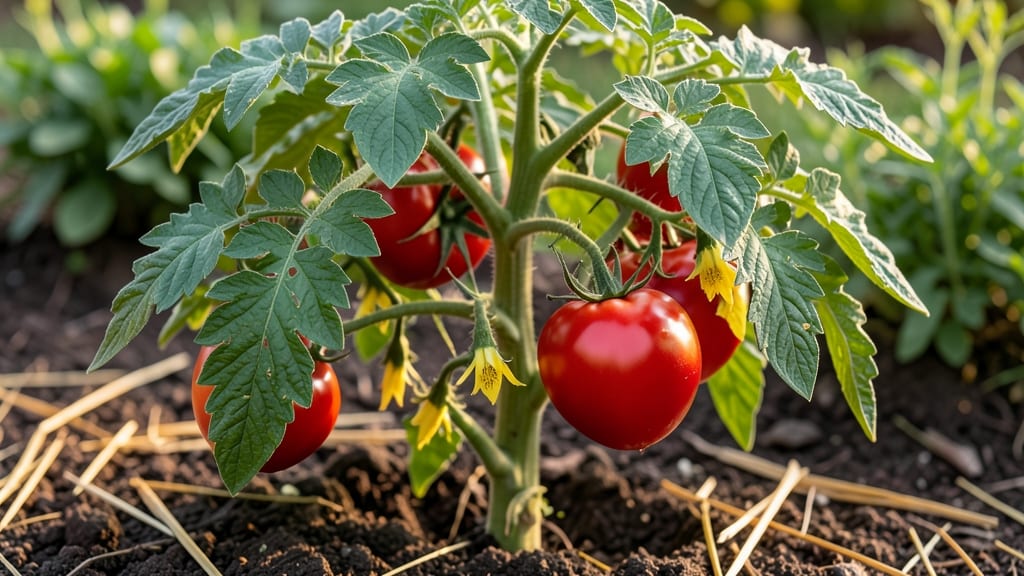
Growing a red beefsteak tomato plant means your garden will soon be bursting with pound-sized, juicy slices that taste like summer in every bite. 🌱 I’ve grown these giants for years, and they’re worth the extra effort—once you know their quirks.
The key starts with soil rich in compost and a sturdy cage or stake, because these beauties need support for their massive vines and fruit. These tomatoes thrive in full sun (6-8 hours daily) and warm soil, so don’t rush planting until after the last frost.
I start seeds indoors 6-8 weeks before the last frost date—they germinate slowly, so patience pays off. Water consistently at the base (not the leaves) to avoid cracking those prized fruits, and fertilize lightly every 2-3 weeks with a balanced tomato feed.
By midsummer, you’ll be harvesting glossy, deep-red tomatoes that practically melt in your mouth. The flavor? Unmatched. The size? Perfect for sandwiches, salads, or slicing onto a plate like edible art. Just watch for common issues like blight or hornworms—early prevention keeps your harvest intact.
Perfect for gardeners with space to spare (or creative vertical growing). With the right care, your beefsteaks will outshine store-bought tomatoes in both taste and pride. Let’s get those seeds started!
📚 In This Guide
- What you need
- Instructions
- Tips and common mistakes
- Wrapping up and next steps
What you need
- ● Seeds or Seedlings: 3–5 red beefsteak tomato seeds (or 1–2 healthy seedlings from a nursery). Choose heirloom or hybrid varieties like 'Brandywine' or 'Supersteak' for bold flavor.
- ● Containers or Garden Space: Containers: 5-gallon pots (1 per plant) with drainage holes, or fabric grow bags.
- ● Garden Beds: A sunny spot (6–8+ hours of light) with well-draining soil, enriched with compost.
- ● Potting Mix: 1–2 bags of high-quality organic potting soil (sterile, peat-based, or coco coir blends). Avoid garden soil—it can harbor diseases.
- ● Fertilizer: Start: 1 cup balanced fertilizer (10-10-10) mixed into soil at planting.
- ● Growth: Tomato-specific fertilizer (high in potassium and phosphorus, like 5-10-10) or compost tea every 2–3 weeks.
- ● Stakes or Cages: 6–8 ft tomato cages or sturdy wooden/bamboo stakes + soft plant ties to support vines.
- ● Mulch: Straw or shredded leaves (1–2 inches thick) to retain moisture and suppress weeds.
- ● Basic Tools: Trowel, pruning shears, watering can (or hose with gentle nozzle), and gloves.
- ○ Optional (But Helpful!): Drip irrigation kit for consistent watering.
- ● Epsom salt (1 tbsp/month) for magnesium boosts.
- ● Row covers (early season) to protect from pests.
- ● pH test kit (ideal soil pH: 6.0–6.8).
Step-by-step instructions for growing a thriving red beefsteak tomato plant
Here's how to coax those legendary beefsteak tomatoes from seed to fruit—juicy, bold, and ready for slicing.
🌱 Step 1: Start Seeds Indoors 6-8 Weeks Before Last Frost
Fill 2-3 inch deep seedling trays with sterile seed-starting mix and moisten until damp but not soggy. Press seeds ¼ inch deep—too deep delays germination. I like to plant two seeds per cell to ensure at least one strong sprout, then thin later. Cover with a humidity dome or plastic wrap to retain warmth and moisture.
Keep soil at 75-85°F using a seedling heat mat if needed. Germination takes 7-14 days—watch for the first true leaves (not the initial seed leaves) before removing the dome. Real talk: if you skip the heat mat, germination could take twice as long in cooler homes.
☀️ Step 2: Provide Strong Light and Prevent Leggy Growth
The moment seedlings emerge, move them under 14-16 hours of bright light daily. A south-facing window won't cut it—supplement with a grow light within 2-4 inches of the plants. Leggy seedlings (thin, stretched stems) mean light deprivation. You'll know it's working when stems stay thick and compact with leaves close together.
Rotate trays quarter-turn daily so plants grow straight. After 2-3 weeks, when seedlings show 3-4 true leaves, transplant the strongest one to a 5-inch pot with fresh potting mix. This prevents root crowding and gives them room to grow.
🪴 Step 3: Harden Off and Transplant Outdoors
Two weeks before your last frost date, begin hardening off by placing seedlings outside in partial shade for 1-2 hours the first day. Gradually increase time and sun exposure over 10-14 days
Choose a sunny spot with 6-8 hours of direct sun and dig a hole twice as wide as the root ball. Bury the stem 1-2 inches deeper than it was in the pot—this encourages strong root growth. Water deeply at the base to settle soil around roots. Here's the thing: beefsteaks need space. Space plants 2-3 feet apart in rows 3-4 feet apart for proper airflow. Water at the base 1-2 inches deep when the top inch of soil feels dry. Beefsteaks are thirsty—underwatering leads to cracked fruit. I use drip irrigation or soaker hoses to keep moisture consistent. Avoid wetting leaves to prevent disease. Install a sturdy cage or stakes at transplanting. These tomatoes weigh 1 pound each—without support, branches snap under the load. Prune suckers (the shoots that grow between main stems and branches) to direct energy to fruit production. You'll see the difference in 4-6 weeks when flowers turn into heavy tomatoes. Prune regularly to improve airflow and fruit quality. Remove lower leaves that touch the soil to prevent disease. When fruit reaches 3-4 inches wide, pinch off the suckers growing in the V between the main stem and branches. This ensures larger, juicier beefsteaks instead of small clusters. Harvest when tomatoes are fully colored and slightly soft to the touch. Cut stems with pruners to avoid damaging the plant. The first harvest is the most exciting—those 12-16 ounce beauties slice like a dream. Keep picking to encourage more production. Don't let them overripe on the vine—beefsteaks split easily when overloaded with water.💧 Step 4: Water Deeply and Support for Heavy Fruit
✂️ Step 5: Prune and Harvest for Peak Flavor
Tips & tricks for perfect red beefsteak tomatoes
These little tricks will help you avoid common pitfalls and grow tomatoes that rival the grocery store's best.
Seed Starting Secret: Don't rush to remove that humidity dome! Keep it on until you see the first true leaves appear—not the initial seed leaves. This creates the perfect environment for strong seedlings. I've learned the hard way that removing it too soon leads to weak, leggy plants that struggle to recover.
Lighting Game-Changer: That 14-16 hours of light isn't just about duration—it's about intensity. Place your grow light closer than you think. I start with 4 inches away, then adjust as plants grow. The goal is to see shadows cast by the light—if you can't, it's not strong enough. Leggy seedlings are a clear sign you need more light power.
Transplanting Wisdom: Burying the stem deeper than it was in the pot might seem counterintuitive, but it works wonders. This buried section becomes a powerhouse of new roots, creating a stronger plant. Just make sure to water deeply afterward to settle the soil around those new roots—this prevents air pockets that can strangle young roots.
Harvesting Tip: Those 12-16 ounce beauties are worth the wait! Harvest when they're fully colored but still slightly firm to the touch. The key is consistency—pick regularly to encourage more production. I've found that harvesting in the morning gives me the juiciest tomatoes, as the plant has had all night to build sugars.
Pro Tips for Red Beefsteak Tomato Plant
- These little tricks will help you avoid common pitfalls and grow tomatoes that rival the grocery store's best.
- Seed Starting Secret: Don't rush to remove that humidity dome!
- Lighting Game-Changer: That 14-16 hours of light isn't just about duration—it's about intensity.
Frequently asked questions
Got questions about growing your own red beefsteak tomato plant? You’re not alone! Here are answers to the most common queries from gardeners just like you.
When is the best time to plant red beefsteak tomatoes?
Plant seeds indoors 6-8 weeks before your last frost date for a head start. Transplant seedlings outdoors after soil warms to 55°F+ and nighttime temps stay above 50°F. In warm climates, direct-sow seeds in early spring once frost risk has passed. Pro tip: Use a soil thermometer to check!
How tall do red beefsteak tomato plants grow, and do they need support?
These beauties can reach 4-6 feet tall with sprawling vines! They absolutely need support—use cages, stakes, or trellises to prevent sprawling and disease. Prune suckers (side shoots) to encourage upward growth and better air circulation. Remember: Strong support = bigger, healthier fruit!
Why are my red beefsteak tomato leaves turning yellow?
Yellow leaves often signal overwatering, nutrient deficiency, or disease. Check the soil—it should be damp but not soggy. Lack of nitrogen? Try a balanced fertilizer. Fungal issues (like early blight)? Remove affected leaves and improve airflow. Act fast: Yellowing can spread quickly!
Can I grow red beefsteak tomatoes in containers?
Yes! They thrive in 5-gallon+ containers with drainage holes. Use a high-quality potting mix and fertilize regularly. Choose determinate varieties (like ‘Brandywine’) for better container success. Place pots in full sun (6+ hours/day) and water consistently. Bonus: Containers make harvesting easier!
What’s a good alternative if red beefsteak tomatoes don’t grow well in my climate?
Try these large, beefy alternatives:
- Brandywine – Classic heirloom with deep flavor.
- Cherokee Purple – Dark, meaty slices with rich taste.
- Sungold – Sweeter, orange hybrid (great for containers!).
- Roma – Smaller but prolific for sauces/paste.
All love warmth and sunlight but may handle humidity or shorter seasons better.
Wrapping up and next steps
Growing a red beefsteak tomato plant is a rewarding journey that brings bold flavors and vibrant colors straight to your plate! 🌱 With the right care—sunlight, well-draining soil, and consistent watering—you’ll soon enjoy juicy, meaty slices bursting with garden-fresh taste.
Whether you’re a beginner or a seasoned gardener, these tips will set you up for success.
Ready to savor the fruits of your labor? Start by planting your seeds or seedlings this season and watch your garden transform into a tomato paradise! 🍅💚