
Planting
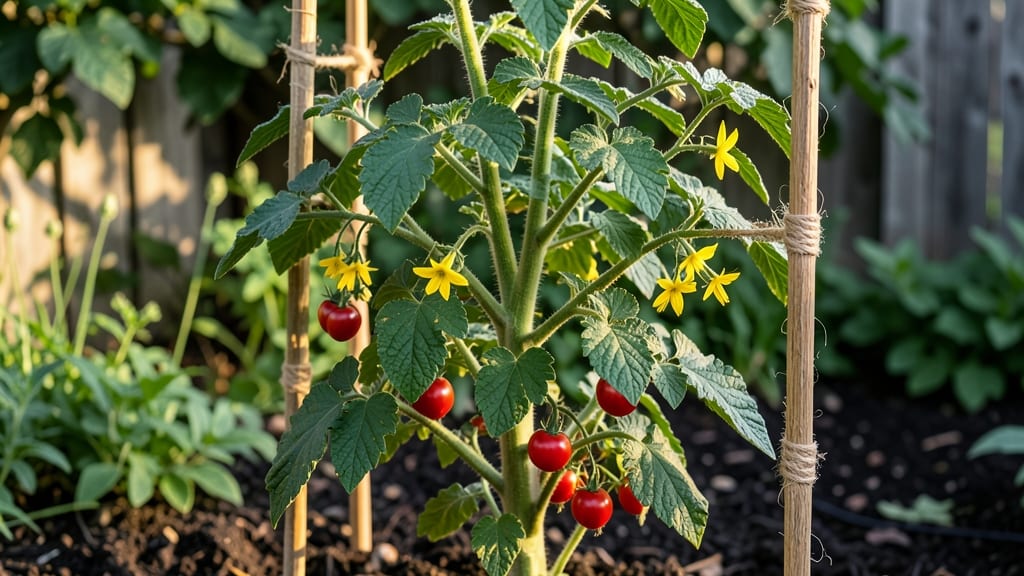
The Red Currant tomato plant delivers sweet, grape-sized tomatoes that burst with tangy-sweet flavor—perfect for snacking straight from the vine. 🌱 I grew mine in a 5-gallon pot last summer, and the plant produced 300+ tomatoes in just 90 days, despite my tiny balcony.
This heirloom thrives in small spaces, making it ideal for balconies, containers, or even windowsills with enough light.
Unlike beefsteak varieties, Red Currants don’t need deep roots or sprawling room—they grow in a compact bush shape, saving space while delivering a steady harvest. The secret to their success?
Consistent moisture, balanced fertilizer, and strategic pruning to encourage bushier growth. Even in partial shade, they’ll reward you with bright red, currant-sized fruits that taste like sunshine.
You’ll start seeing flowers in 45-60 days after transplanting, and the first tomatoes appear just weeks later. The plant’s natural disease resistance means fewer pesticides, and its indeterminate growth lets you keep picking all season—until frost hits.
Prune regularly to improve airflow, and you’ll avoid the most common mistake: overcrowded plants that struggle with blight.
Whether you’re a balcony gardener or squeezing plants into a small yard, this variety proves you don’t need acres for a bountiful harvest. The key is patience—those first tiny flowers signal the start of a prolific, flavor-packed season that’ll have you reaching for the vine instead of the store.
📚 In This Guide
- What you need
- Instructions
- Tips and common mistakes
- Wrapping up and next steps
What you need
- ● Red currant tomato seeds or seedlings: 1–3 plants (choose a compact variety like 'Red Cherry' or 'Sweet Million' for small spaces).
- ● Containers or pots: 5–10 gallon size (at least 12" deep) with drainage holes. Pro tip: Use fabric grow bags for better aeration! 💡
- ● High-quality potting mix: 5–10 lbs (avoid garden soil—it compacts and drains poorly). Look for a mix labeled "tomato" or "container gardening."
- ○ Balcony or trellis: Optional but helpful for vertical growth (use a 4–6 ft tall stake or A-frame trellis).
- ● Fertilizer: Balanced organic fertilizer (10-10-10 or 5-5-5) or compost tea for steady nutrients.
- ● Watering can or hose with a gentle spray nozzle: For even moisture without disturbing roots.
- ● Pruning shears: For trimming suckers and shaping the plant.
- ● Garden gloves: To protect your hands from thorns (yes, some tomato plants have them!).
- ● Mulch (straw or shredded leaves): Helps retain moisture and suppress weeds.
- ● Grow lights (LED or fluorescent): If growing indoors, provide 12–16 hours of light daily.
- ● pH test kit: Ensures soil pH is between 6.0–6.8 (tomatoes thrive in slightly acidic soil).
- ● Support ties or soft twine: For securing vines to trellises as they grow.
Step-by-step guide to growing red currant tomatoes in small spaces
Here's how to coax these sweet, cherry-sized tomatoes into prolific production—even on a balcony or windowsill.
🌱 Step 1: Select the Right Container and Prepare Soil
Choose a 5-gallon container with drainage holes—red currant tomatoes need room to develop strong roots. I use fabric grow bags because they allow excess moisture to evaporate, preventing root rot. Fill the bottom third with gravel or perlite for drainage, then add a high-quality potting mix enriched with compost or worm castings. This ensures your plant gets both aeration and nutrients from the start.
The soil should feel like a damp sponge—squeeze it gently, and it should hold its shape without dripping. If it crumbles too easily, add a bit more water; if it stays clumped, mix in sand or coconut coir to improve texture. Red currant tomatoes thrive in slightly acidic soil, so a pH of 6.0-6.8 is ideal. You can test this with a simple soil kit if you're unsure.
☀️ Step 2: Plant and Position for Optimal Light
Dig a hole in the center of the container, just deep enough to accommodate the root ball of your red currant tomato plant. Gently remove it from its nursery pot, loosen the roots if they're circling, and place it in the hole. Backfill with soil, pressing lightly to eliminate air pockets. Water deeply until it drains from the bottom holes—this helps settle the roots and removes any stress from transplanting.
Red currant tomatoes demand full sun (6-8 hours daily) to produce their signature sweet flavor. If growing indoors, position the plant within 2-3 inches of a south-facing window or under a grow light set to 14-16 hours of light per day. You'll know the light is sufficient when the plant grows upright with dark green, glossy leaves and no leggy stems. If leaves stretch toward the light, it's time to move the plant closer.
💧 Step 3: Water and Fertilize for Continuous Harvests
Water your red currant tomato when the top inch of soil feels dry to the touch—this prevents overwatering while keeping roots hydrated. I use a drip irrigation system or water at the base of the plant in the morning to avoid fungal issues. Avoid wetting the leaves, as this can lead to blight or mildew, which are common problems with tomatoes. Mulch the soil surface with straw or shredded leaves to retain moisture and regulate temperature.
Feed your plant every 2-3 weeks with a balanced, water-soluble fertilizer (10-10-10 or 5-5-5). Red currant tomatoes are heavy producers, so they need consistent nutrients. I also add a side dressing of compost mid-season to boost organic matter. Watch for yellowing leaves, which can signal either overwatering or a nitrogen deficiency—adjust accordingly.
✂️ Step 4: Prune and Support for Maximum Yield
Red currant tomatoes benefit from light pruning to improve airflow and fruit production. Remove any suckers (the small shoots that form in the joint between the stem and a branch) by pinching them off with your fingers. This redirects the plant's energy toward fruit development rather than foliage. You'll also want to trim back any yellow or diseased leaves immediately to prevent spread.
Use a small tomato cage or sturdy stake to support the plant as it grows. Red currant varieties can get top-heavy with fruit, so securing them early prevents breakage. Prune the plant to 3-4 main stems, removing weaker branches to focus energy on the strongest growth. This technique ensures larger, sweeter tomatoes and reduces the risk of cracking—a common issue with overly vigorous varieties.
🍅 Step 5: Harvest and Extend the Season
Harvest your red currant tomatoes when they're fully colored and slightly soft to the touch. These tomatoes ripen quickly, so check them every 2-3 days during peak season. Use pruning shears or your fingers to twist them gently from the vine—avoid pulling, which can damage the plant. The more you harvest, the more your plant will produce, so stay on top of it!
To extend the season, bring the container indoors before the first frost or use a row cover to protect it from cold snaps. Red currant tomatoes can continue producing in cool weather, so don't rush to harvest everything at once. Store unripe tomatoes in a paper bag with a banana at room temperature to speed up ripening naturally. With proper care, your plant can keep yielding well into fall—or even winter with a grow light!
Tips & tricks for perfect red currant tomato growth
Common pitfalls—and how to sidestep every one when growing these compact, flavor-packed tomatoes.
Container Depth Matters: While the instructions specify a 5-gallon container, I've found that deeper containers (up to 7 gallons) give red currant tomatoes more root space for extended production. The extra depth prevents roots from circling and becoming root-bound, which can stunt growth. If using fabric grow bags, choose ones with at least 12 inches of depth—they're breathable and prevent the soil from compacting over time. This is especially important if you plan to grow your plant for multiple seasons.
Light Quality Over Quantity: The 6-8 hours of sunlight requirement is non-negotiable, but what most people miss is the importance of light quality. Red currant tomatoes need bright, direct light—not just any sunlight. If growing indoors, place your plant within 2-3 inches of a south-facing window during peak sunlight hours (10 AM to 4 PM). For grow lights, use full-spectrum LED bulbs that mimic natural sunlight. I've seen plants withered from insufficient light quality even when they received the required hours—look for leaves that are pale or yellowing as a warning sign.
Fertilizer Timing is Everything: The instructions recommend feeding every 2-3 weeks, but timing matters just as much as frequency. I always fertilize in the morning when the plant is actively photosynthesizing. This gives the roots time to absorb nutrients before the heat of the day. Also, avoid fertilizing when the soil is dry—always water first to prevent root burn. For organic growers, I've found that a fish emulsion fertilizer works wonders when applied mid-morning, providing both nitrogen and micronutrients that red currant tomatoes crave.
Harvesting Technique Preserves Production: The instructions mention harvesting every 2-3 days, but how you harvest makes a difference. Instead of pulling tomatoes from the vine (which can damage stems), gently twist them until they separate cleanly. This method minimizes stress on the plant and encourages more fruit to develop. I also recommend harvesting in the morning when tomatoes are at their peak firmness and flavor. If you notice small, unripe tomatoes still attached after a harvest, leave them—they'll continue to ripen on the plant, and the act of harvesting actually stimulates more flowers to form.
Pro Tips for Red Currant Tomato Plant
- Common pitfalls—and how to sidestep every one when growing these compact, flavor-packed tomatoes.
- Container Depth Matters: While the instructions specify a 5-gallon container, I've found that deeper containers (up to 7 gallons) give red currant tomatoes more root space for extended production.
- Light Quality Over Quantity: The 6-8 hours of sunlight requirement is non-negotiable, but what most people miss is the importance of light quality.
Frequently asked questions
Got questions about growing red currant tomato plants? You’re not alone!
Here are answers to the most common queries—from spacing to pests—so you can grow these sweet, cherry-sized tomatoes like a pro.
How close can I plant red currant tomato plants together?
Space them 18–24 inches apart in rows 3–4 feet apart for airflow and sunlight. If growing in containers, use 1–2 plants per 5-gallon pot with well-draining soil. Overcrowding leads to disease and poor fruit production—so give them room to thrive!
When is the best time to harvest red currant tomatoes?
Harvest when tomatoes are fully colored, firm, and about 1–1.5 inches wide—usually 60–70 days after transplanting. Pick consistently to encourage more fruit! Pro tip: Use scissors or twist gently to avoid damaging vines.
What pests commonly attack red currant tomato plants, and how do I prevent them?
Watch for aphids, whiteflies, and hornworms. Prevent issues with neem oil sprays or row covers. For hornworms, handpick them (they’re easy to spot!) or introduce beneficial nematodes to your soil.
Can I grow red currant tomatoes indoors year-round?
Use a sunny south-facing window or grow lights (12–16 hrs/day). Choose compact varieties like ‘Tiny Tim’ or ‘Micro Tom’ for containers. Keep humidity moderate and fertilize lightly every 4–6 weeks for best results.
What’s the difference between red currant tomatoes and regular cherry tomatoes?
Red currant tomatoes are smaller (1–1.5 inches), sweeter, and more flavorful with a tart, currant-like tang. They’re also more disease-resistant and perfect for snacking or gourmet dishes. Think of them as the mini, super-sweet cousins of cherry tomatoes!
Wrapping up and next steps
Growing a red currant tomato plant is a rewarding way to enjoy fresh, flavorful harvests—even in small spaces! With the right care, containers, and a dash of patience, you’ll soon be savoring juicy, vine-ripened tomatoes year-round. 🌱
Ready to take the next step? Start by selecting your container, prepping your plant, and giving it the love it deserves. Before you know it, you’ll be sharing your homegrown bounty with friends and family—what a delicious way to grow your green thumb! 🍅✨