
How To
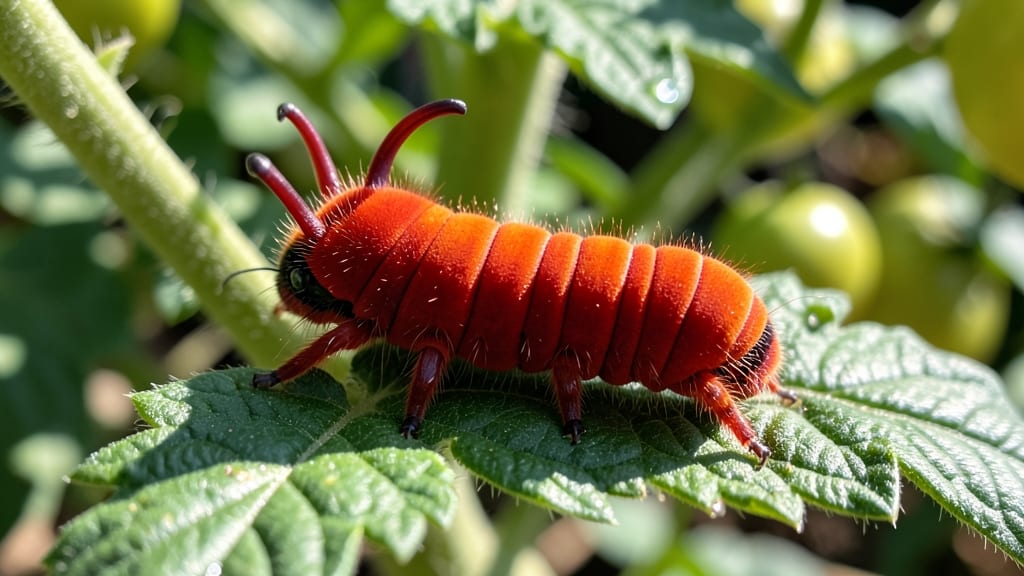
Spotting a red horned tomato caterpillar on your plants means action time—these striped invaders can strip a tomato plant bare in days. 🌱 I’ve battled them in my garden and learned the best ways to stop them without harsh chemicals, so your plants stay healthy and productive.
These caterpillars (also called tomato hornworms) thrive in warm weather and can grow up to 4 inches long, making them hard to miss. The key is catching them early—before they skeletonize leaves or devour fruit.
I’ve found that handpicking works best when combined with natural predators like parasitic wasps and praying mantises.
You’ll see results fast with organic controls: neem oil sprays, Bacillus thuringiensis (Bt), or even introducing ladybugs and lacewings. The goal is to break their lifecycle without harming your garden’s balance. A few simple steps keep your tomato plants thriving all season.
Prevention is just as important—clean up garden debris, rotate crops, and plant basil nearby to repel them. These methods work for other nightshades too, like peppers and eggplants. Let’s get those caterpillars under control the natural way!
Root Causes Of Caterpillar Infestations
If your tomato plants are suddenly adorned with red-horned caterpillars (likely the Manduca sexta, or tobacco hornworm), don’t panic—understanding why they’re there is the first step to stopping them naturally.
These voracious pests don’t just appear out of nowhere; their presence is usually tied to specific environmental and agricultural factors. Below, we break down the key reasons these caterpillars target your garden and how they thrive.
The red-horned caterpillar’s diet is simple: tomatoes, peppers, eggplants, and other nightshade plants. If your garden is a buffet of their favorite foods, they’ll show up in droves. Here’s why:
- Tomatoes are a primary food source. The caterpillars’ larvae are specialized feeders, meaning they’ve evolved to only eat plants in the Solanaceae family (tomatoes, potatoes, etc.). If your garden is lush with these plants, it’s an all-you-can-eat invitation.
- Young, tender leaves are irresistible. Caterpillars prefer new growth because it’s softer and easier to digest. Overwatered or over-fertilized plants produce more tender foliage, making them high-risk targets.
- Monoculture gardens speed up infestations. Planting large blocks of the same crop (like rows of tomatoes) creates a hotspot for pests. Diverse gardens with interspersed plants disrupt their feeding patterns.
Actionable fix: Rotate crops yearly, plant companion plants like basil, marigolds, or borage (which mask tomato scents), and avoid over-fertilizing with nitrogen-heavy feeds.
Adult hornworm moths are stealthy—they lay tiny, flat eggs on the undersides of leaves, often near the stem. Within days, those eggs hatch into caterpillars that start devouring your plants. Here’s how it happens:
- Moths seek healthy, shaded foliage. They avoid direct sunlight and prefer lower leaves where humidity is higher. Dense canopies or plants with broad leaves (like tomato suckers) are ideal egg-dumping zones.
- Warm nights trigger mating and egg-laying. Hornworm moths are most active in 70–85°F (21–29°C) temperatures. If your garden stays warm at night, expect more moths—and more eggs.
- Previous infestations attract more moths. Pheromones from existing caterpillars or moths can signal others to the area, creating a feedback loop of infestation.
Actionable fix: Inspect leaves daily (especially undersides) for eggs (tiny, pale green, and oval). Remove any you find by hand or with a damp cloth. Prune lower leaves to reduce hiding spots.
Red-horned caterpillars love warmth and moisture. Their life cycle accelerates in the right conditions, leading to rapid population growth. Here’s what makes your garden a caterpillar paradise:
- Hot, humid summers speed up growth. Eggs hatch faster in warmth, and caterpillars grow from tiny to 2-inch monsters in just 2–3 weeks during peak season (June–August in most regions).
- Rainfall increases survival rates. Moisture keeps eggs from drying out and provides extra hydration for caterpillars, reducing mortality from predators like birds or parasitic wasps.
- Drought-stressed plants attract more pests. While caterpillars prefer tender leaves, stressed plants (from underwatering or overwatering) produce more sugars in their leaves, making them even more appealing.
Actionable fix: Use drip irrigation to avoid wetting leaves (which can encourage fungal diseases and attract moths). Mulch to retain even moisture, and avoid late-night watering to deter moth activity.
In a balanced ecosystem, red-horned caterpillars have many enemies—but if those predators are missing, the caterpillars take over. Here’s why their numbers explode when nature’s checks and balances are disrupted:
- Chemical pesticides wipe out beneficial insects. Neonicotinoids, broad-spectrum sprays, and even some organic pesticides can kill parasitic wasps, ladybugs, and lacewings that prey on hornworm eggs and larvae.
- Monoculture gardens reduce biodiversity. Gardens with only tomatoes offer fewer habitats for predator insects (like ground beetles or spiders) that would otherwise keep caterpillar populations in check.
- Urban/suburban areas lack wild predators. Birds, toads, and other wildlife are often absent in manicured gardens, giving caterpillars free rein.
Actionable fix: Encourage predators by planting native wildflowers (like dill or fennel) to attract parasitic wasps. Avoid pesticides, and create bug hotels or small water sources to support beneficial insects.
By addressing these root causes—food availability, egg-laying conditions, climate, and predator balance—you can dramatically reduce red-horned caterpillar infestations without resorting to harsh chemicals. The key is proactive garden management!
Practical Ways to Manage Horned Caterpillars
Now that you understand why these striking red horned caterpillars show up in your garden, let’s tackle the real question: how do you get rid of them safely and effectively? Below are targeted solutions tailored to the most common causes—whether it’s an infestation, damage to plants, or just their unsettling presence.
Each method is designed to be chemical-free, budget-friendly, and easy to implement, so you can protect your garden without harming the environment or your health.
When you spot these caterpillars munching away, quick action is key. Here’s how to remove them without causing collateral damage to your garden ecosystem.
🔥 Manual Removal: The Fastest Fix
The most straightforward solution is to pick them off by hand—it’s simple, free, and works immediately.
- When to do it: Early morning or late evening when caterpillars are less active.
- How to do it:
- Wear thick gloves (some gardeners report mild skin irritation from their spines).
- Use a tweezers or small stick to gently lift them off leaves and stems.
- Drop them into soapy water (1 tbsp dish soap per gallon of water) to kill them instantly.
- Pro tip: 💡 Check under leaves, along stems, and in flower clusters—they love hiding in tight spaces!
🍳 DIY Traps: Lure and Destroy
Caterpillars are attracted to fermenting fruits and sugars, so you can use this to your advantage.
- What you’ll need:
- A shallow dish or bowl
- Overripe fruit (banana peels, apple slices, or citrus work best)
- Beer or sugary liquid (like fruit juice)
- How to set it up:
- Place the dish near your tomato plants.
- Add the fruit and a splash of beer or juice to create a sweet, fermenting bait.
- Check the trap daily and dispose of any caterpillars you find in it.
- Why it works: 🎯 The caterpillars are drawn to the smell and get trapped in the liquid.
👨🍳 Natural Sprays: Safe Repellents
If manual removal isn’t enough, homemade sprays can deter or kill these pests without chemicals.
| Spray Recipe | How to Use | Frequency |
|---|---|---|
| Neem Oil Spray | Mix 1 tsp neem oil + 1 tsp mild soap + 1 quart water. Spray directly on caterpillars and leaves. | Every 3–4 days until gone. |
| Garlic-Chili Spray | Blend 4 garlic cloves + 1 tbsp cayenne pepper + 1 quart water. Strain and spray. | Reapply after rain or every 5 days. |
| Soap Spray | Dissolve 1 tbsp castile soap in 1 quart water. Spray directly on caterpillars (avoid flowers to protect pollinators). | Use daily until infestation clears. |
- Pro tip: 🌡️ Timing matters! Spray early in the morning or late evening to avoid harming bees and other beneficial insects.
The best defense is a strong offense. Once you’ve dealt with an infestation, take steps to keep these caterpillars away for good.
🔪 Prune and Clean Up
Red horned caterpillars love dense, overgrown plants where they can hide and lay eggs.
- Trim your plants regularly to improve airflow and reduce hiding spots.
- Remove fallen leaves and debris—these are prime egg-laying spots.
- Dispose of infested plant material in a sealed bag (don’t compost it!).
🌱 Plant Smart: Natural Deterrents
Some plants repel horned caterpillars or attract their natural predators.
- Plant companions:
- Basil, marigolds, or nasturtiums near your tomatoes (their strong scents deter pests).
- Dill or fennel to attract parasitic wasps, which lay eggs inside caterpillars and kill them naturally.
- Avoid over-fertilizing with nitrogen—weak, lush plants attract more pests.
⏰ Monitor and Act Fast
Early detection is your best tool.
- Inspect plants weekly, especially under leaves and near stems.
- Look for egg clusters (tiny, yellow, and laid in groups)—remove them immediately!
- Use yellow sticky traps near plants to catch adult moths before they lay eggs.
A thriving garden ecosystem naturally resists pests.
Here’s how to keep your tomatoes (and your sanity) intact: - Encourage beneficial insects like ladybugs, lacewings, and praying mantises—they eat caterpillars! - Rotate crops yearly to disrupt pest life cycles. - Use row covers on young tomato plants to block moths from laying eggs.
With these simple, chemical-free methods, you can kick red horned caterpillars to the curb while keeping your garden lush, healthy, and pest-free. No more scary surprises—just happy, horn-free tomatoes! 🍅✨
Frequently asked questions
Are red horned caterpillars harmful to humans?
These caterpillars have tiny spines that can cause mild skin irritation if touched. While they won't harm humans seriously, wearing gloves when handling them is a good idea. Their venom isn't dangerous to pets either, though some animals might avoid them due to the spines. The real concern is their appetite for your tomato plants!
How long does it take for a red horned caterpillar to become a moth?
These caterpillars grow rapidly in warm weather, reaching full size (4 inches) in just 2-3 weeks. After that, they form a cocoon and emerge as moths in about 10-14 days. The entire lifecycle from egg to adult takes roughly 4-6 weeks, which is why infestations can spread quickly.
Can I use Bacillus thuringiensis (Bt) on tomato plants with red horned caterpillars?
Yes! Bt is highly effective against hornworms and completely safe for tomato plants. Apply it directly to caterpillars or spray on leaves where they feed. Reapply every 7-10 days or after rain. The bacteria disrupt their digestive systems, killing them within 24-48 hours. Just avoid spraying when bees are active.
What should I do if I find caterpillar eggs on my plants?
Remove them immediately! Eggs are tiny (1mm) and pale yellow, often laid in clusters on leaf undersides. Use a damp cloth or your fingernail to scrape them off and dispose of them in soapy water. Check plants daily during peak season (June-August) since eggs hatch in just 2-4 days. Early removal prevents full-blown infestations.