
Planting
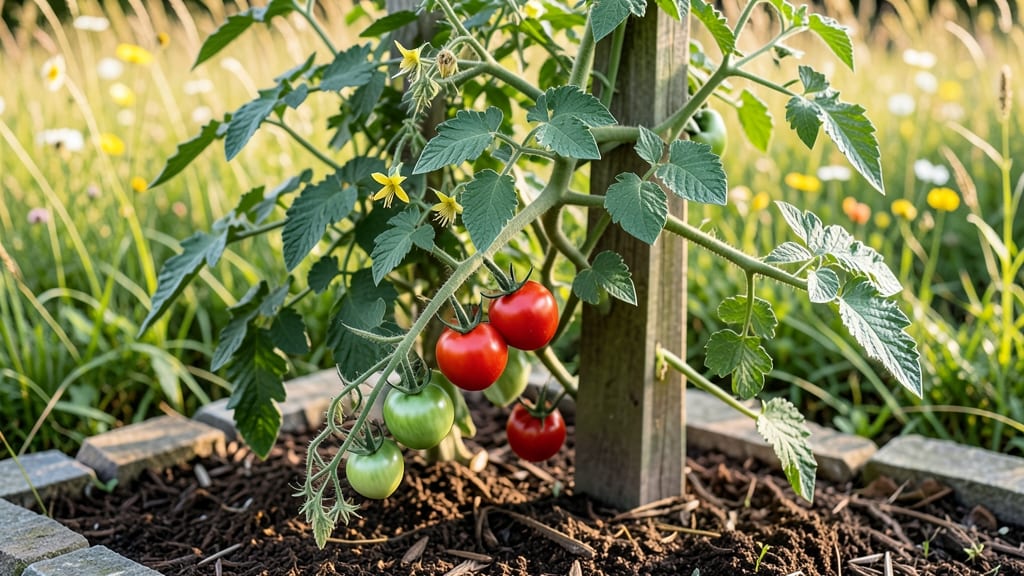
Growing reisetomate tomato plants turns your garden into a vertical jungle of sweet, prolific fruit. 🌿 These climbing giants produce tomatoes continuously—sometimes for months—if you give them the right support, sunlight, and care.
The first time I grew them, I couldn’t believe how many ripe tomatoes kept appearing on the vine, even in late fall.
They thrive in full sun (6-8 hours daily) and well-draining soil with a pH of 6.0-6.8, but their real magic happens when you train them up a sturdy trellis or fence.
Unlike bush varieties, reisetomates grow 6-10 feet tall, so pruning isn’t just about shape—it’s about directing energy to fruit production. I prune aggressively in early spring, removing suckers to keep the plant focused on climbing and fruiting. The payoff?
Juicy, flavorful tomatoes that taste sweeter than store-bought varieties, with a balance of acidity that makes them perfect for slicing, sauces, or fresh eating. Even in cooler climates, they’ll keep producing as long as temperatures stay above 50°F at night.
The key is consistent watering—1-1.5 inches per week—and mulching to retain moisture. For extra productivity, pair them with basil (which repels pests) or marigolds (which deter nematodes). And if you’re worried about pests, keep an eye out for hornworms—they love these vines too.
With the right setup, your reisetomates will outperform any other tomato plant in your garden.
📚 In This Guide
- What you need
- Instructions
- Tips and common mistakes
- Wrapping up and next steps
What you need
- ● Reisetomate Seeds or Seedlings: 3–5 plants (for optimal pollination and yield). Choose heirloom or organic seeds if preferred.
- ● Growing Containers or Garden Space: For containers: 5-gallon pots or larger (at least 12" deep and wide). Use fabric grow bags for better root aeration.
- ● For ground planting: A sunny spot (6+ hours of sunlight daily) with well-draining soil.
- ● High-Quality Potting Mix: 1–2 bags (sterile, well-draining mix with compost or coconut coir). Avoid garden soil unless amended.
- ● Support Structure: Trellis, tomato cage (6–8 ft tall), or sturdy stakes (3–4 ft long). Reisetomates can grow 10+ feet tall!
- ● Twine or soft plant ties (for securing vines).
- ● Fertilizer: At planting: Balanced fertilizer (10-10-10) or compost (1 cup per plant).
- ● During growth: Tomato-specific fertilizer (5-10-10) or organic options like fish emulsion or worm castings.
- ● Mulch: Straw, wood chips, or shredded leaves (2–3 inches thick) to retain moisture and suppress weeds.
- ● Trowel or small shovel (for transplanting).
- ● Pruning shears (to trim suckers and shape vines).
- ● Watering can or hose with a gentle spray nozzle (avoid wetting leaves to prevent disease).
- ● pH test kit (ideal soil pH: 6.0–6.8 for tomatoes).
- ○ Gloves (optional but recommended for handling prickly vines).
- ● Drip irrigation system or soaker hoses (for consistent watering).
- ● Row covers (to protect seedlings from pests or frost).
- ● Café or tomato cages (for extra support if growing in windy areas).
- ● Compost tea or mycorrhizal fungi (to boost soil health and root growth).
- ● Plant markers (to track varieties if growing multiple types).
How to grow reisetomate tomato plants for year-long harvests
Here’s how to transform your garden into a vertical fruit factory with these vigorous climbers.
🪴 Step 1: Select the Right Trellis and Planting Site
Reisetomate vines need a strong, 8-foot trellis—I use metal cages or wooden stakes with twine for support. Install it before planting so roots won’t disturb the structure later. Choose a sun-drenched spot with at least 6 hours of direct light daily, though these tomatoes tolerate partial shade better than most varieties.
Amend the soil with 2-3 inches of compost mixed into the top 12 inches of soil. Reisetomates thrive in loose, well-draining soil with a pH of 6.0-6.8. Test your soil—if it’s too dense, add perlite or coarse sand to improve aeration. These plants reward patience, so don’t skimp on prep.
🌱 Step 2: Plant Deep and Train Early for Maximum Yield
Dig a hole twice as deep as the root ball and bury two-thirds of the stem—this encourages stronger root systems. Space plants 3-4 feet apart in rows 4-5 feet apart to allow airflow and easy harvesting. Water deeply before planting to settle the soil around roots.
As soon as the plant reaches 12 inches tall, begin training vines along the trellis. Tie the main stem loosely with soft twine every 6-8 inches—too tight, and you’ll strangle the plant. Prune suckers (side shoots) below the third leaf from the main stem to direct energy upward. This is where the magic happens: fewer suckers mean more fruit.
☀️ Step 3: Water Deeply and Fertilize Strategically
Water once weekly with 1-2 gallons per plant, aiming for deep, infrequent soakings. Wet the soil to a depth of 12 inches—shallow watering stresses roots and leads to blossom-end rot. Mulch with 2-3 inches of straw to retain moisture and suppress weeds. You’ll know you’re doing it right when the soil stays evenly moist but never soggy.
Feed every 4-6 weeks with a balanced 10-10-10 fertilizer or compost tea. When flowers appear, switch to a low-nitrogen, high-phosphorus fertilizer (like 5-10-10) to boost fruiting. Stop fertilizing 4-6 weeks before your first frost—you want the plant to focus on ripening existing fruit, not new growth.
✂️ Step 4: Prune and Harvest for Continuous Production
Prune aggressively to keep vines focused on fruit production. Remove all suckers below the first flower cluster—this prevents overcrowding and improves air circulation. Thin fruit clusters to 5-6 tomatoes per truss when they’re golf-ball sized. Overloaded trusses produce smaller, less flavorful fruit.
Harvest when tomatoes reach full color and slight softness—they won’t ripen further off the vine. Pick in the morning when skins are cool and firm. Store at room temperature for 3-5 days or refrigerate for up to 2 weeks. The key to year-long harvests? Keep pruning and fertilizing until the first frost, then bring potted plants indoors to a sunny windowsill or under grow lights.
⏰ Step 5: Overwinter for Next Year’s Abundance
Before frost, trim vines back to 12 inches and transplant into 15-gallon containers. Place in a bright, cool room (50-60°F) and reduce watering to every 10-14 days. Prune lightly every 2-3 months to encourage new growth. In early spring, move outdoors after hardening off for 2 weeks—your plants will reward you with faster growth and earlier fruit the following season.
Here’s the thing—Reisetomates are heavy producers, so expect 50+ tomatoes per plant if you follow this method. The secret? Consistent training, deep watering, and ruthless pruning. Don’t let suckers or overcrowding win—keep the plant’s energy flowing upward and into fruit.
Tips & tricks for perfect reisetomate tomato growth
Here's what I've learned from years of growing these vigorous climbers—these details make all the difference between a modest harvest and a year-round bounty.
Trellis Stability: The 8-foot trellis isn't just about height—it needs to withstand the weight of 50+ tomatoes per plant. I reinforce mine with metal cages or wooden stakes driven deep into the ground (at least 2 feet). If you notice leaning after planting, add diagonal supports immediately. The key is preventing the structure from bending under the weight—once the tomatoes start ripening, there's no going back.
Soil Prep Secret: Don't just scratch in compost—create a proper soil profile. Mix those 2-3 inches of compost with the top 12 inches of soil, then add perlite or coarse sand if your native soil is too dense. I also recommend adding a handful of bone meal to the planting hole before inserting the plant. This gives you a phosphorus boost right where the roots need it most for early growth.
Watering Precision: That weekly 1-2 gallons per plant is crucial, but timing matters just as much. Water in the morning so the foliage has all day to dry—wet leaves at night invite fungal diseases. I use a soaker hose to deliver water directly to the roots, keeping the soil evenly moist to that 12-inch depth. The straw mulch helps maintain this moisture level while preventing weeds that compete for nutrients.
Pruning Discipline: When it comes to pruning suckers below the third leaf from the main stem, I can't emphasize this enough—it's where the magic happens. These suckers divert energy away from fruit production. I make it a habit to prune every time I water, using sharp pruners to make clean cuts. The result? More tomatoes, larger tomatoes, and a plant that focuses all its energy on what you actually want to harvest.
Pro Tips for Reisetomate Tomato Plant
- Here's what I've learned from years of growing these vigorous climbers—these details make all the difference between a modest harvest and a year-round bounty.
- Trellis Stability: The 8-foot trellis isn't just about height—it needs to withstand the weight of 50+ tomatoes per plant.
- Soil Prep Secret: Don't just scratch in compost—create a proper soil profile.
Frequently asked questions
Got questions about growing reisetomate tomato plants? You’re not alone! These climbing beauties are packed with flavor, but they do come with a few quirks. Here’s what you need to know before diving in:
How long does it take for reisetomate plants to bear fruit?
With proper care, reisetomate plants typically start producing fruit 60–90 days after transplanting. Since they’re indeterminate, they’ll keep yielding until frost—or even year-round in warm climates! Patience pays off with these prolific climbers.
Can reisetomate tomatoes survive winter outdoors?
These tomatoes thrive in USDA Zones 9–11 and can overwinter outdoors with mulch and protection. In colder zones, grow them in containers and move them indoors or to a greenhouse during frost. A row cover or cold frame can also extend their season.
What’s the best support system for a reisetomate plant?
A 5–7-foot trellis, sturdy cage, or strong bamboo stakes work best. Since they’re vigorous climbers, avoid flimsy setups—they can reach 10+ feet! Secure them loosely to avoid damaging stems, and prune suckers for better airflow.
Why are my reisetomate leaves turning yellow or curling?
Yellowing leaves often signal overwatering, nutrient deficiency (like nitrogen), or pests (e.g., spider mites). Check soil moisture, adjust fertilizer, and inspect undersides for bugs. Neem oil or insecticidal soap can help with pests.
Are reisetomate tomatoes good for greenhouses?
Their heat tolerance and climbing habit make them perfect for greenhouses. Ensure good ventilation to prevent humidity-related diseases, and supplement light in winter. They’ll reward you with bountiful harvests year-round!
Wrapping up and next steps
Growing Reisetomate tomato plants is a rewarding adventure that brings year-round abundance to your garden—whether in pots, trellises, or hanging baskets! 🌱 These climbing giants thrive with the right care, offering juicy, flavorful fruit even in cooler climates.
With their disease-resistant traits and compact growth, they’re perfect for small spaces or urban homesteaders.
Now that you’re armed with materials, tips, and troubleshooting tricks, it’s time to roll up your sleeves and plant! Start with a single seedling (or a few!) and watch your vertical tomato garden flourish.
Share your harvest with friends or savor the taste of homegrown goodness—your next step is just a seed away! 🍅✨