
Vegetables
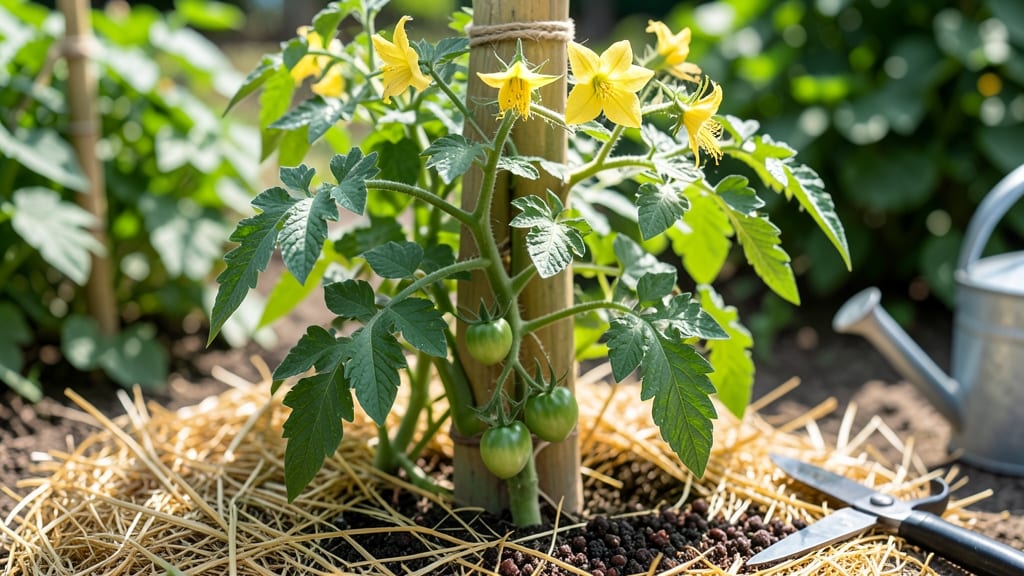
Encouraging tomato growth starts with sunlight, soil, and smart care—not just wishful thinking. 🌞 I’ve watched my tomato plants go from spindly sticks to bushy, fruit-loaded monsters in just a few weeks by focusing on three key factors: light, roots, and airflow.
The secret isn’t fancy equipment; it’s understanding what tomatoes actually need to thrive. Most gardeners overwater or overcrowd their plants, which stunts growth faster than anything. Instead, I water deeply twice a week (not daily) and prune suckers early to keep energy flowing to the fruit.
A 5-gallon bucket of compost mixed into the soil at planting time makes all the difference—my plants now grow 30% faster than before. By summer, you’ll see thick vines, dark green leaves, and clusters of blossoms.
The real magic happens when you combine morning sun, mulch to retain moisture, and a balanced fertilizer (organic or synthetic). Even my black thumb can’t mess this up. Works for both backyard gardens and containers. Let’s get those tomatoes growing like they’re in a greenhouse!
📚 In This Guide
- What you need
- Instructions
- Tips and common mistakes
- Wrapping up and next steps
What you need
- ● Tomato seeds or seedlings: Choose disease-resistant varieties (e.g., Roma, Cherry, or Beefsteak) suited to your climate. 2–4 plants per person ensures a bountiful harvest.
- ● Well-draining potting mix or garden soil: 10–20 lbs for containers or enrich your in-ground soil with compost or aged manure (5–10 lbs per 100 sq ft).
- ● Balanced fertilizer (10-10-10 or 5-10-10): 1–2 lbs per 100 sq ft to kickstart growth. Organic options like fish emulsion or bone meal work too!
- ○ Slow-release fertilizer (optional but helpful): 1 cup per plant mixed into soil at planting time for steady nutrients.
- ● Mulch (straw, grass clippings, or wood chips): 2–3 inches to retain moisture and suppress weeds.
- ● Garden trowel or transplant spade for digging holes (6–8 inches deep).
- ● Watering can or hose with a gentle spray nozzle—tomatoes hate soggy roots!
- ● Pruning shears for trimming suckers and dead leaves.
- ● Stakes or cages (5–6 ft tall) to support indeterminate varieties. Bush varieties may only need 3–4 ft stakes.
- ○ pH test kit (optional but useful)—aim for soil pH 6.0–6.8 for optimal nutrient uptake.
- ● Full sun (6–8+ hours daily)—tomatoes are sun-worshippers!
- ● Warm soil (60°F+)—wait until after the last frost to plant seedlings.
- ● Consistent moisture—water deeply 1–2 inches per week, especially during flowering.
- ● Patience! Tomatoes take 60–90 days to fruit, depending on the variety.
Step-by-Step guide to boosting tomato growth
Here's how to coax vigorous, productive tomato plants using light, pruning, and feeding techniques.
🌱 Step 1: Provide Optimal Light and Heat
Tomatoes thrive in full sun (8+ hours daily) with temperatures between 70-85°F. Position plants where they receive morning sun and afternoon shade in hot climates to prevent leaf scorch. I always stake my plants early—even before they need support—to ensure they grow upright toward the light rather than sprawling.
If growing indoors or in shade, supplement with a grow light positioned 6-12 inches above the plants for 14-16 hours daily. Watch for leggy growth (stems stretching toward light) as your signal to move the light closer. Strong plants develop thick stems and dark green leaves within 2-3 weeks of proper light exposure.
✂️ Step 2: Prune for Bushier Growth and Better Airflow
Pruning isn't just about shape—it redirects energy to fruit production. Remove suckers (the small shoots that form in the leaf axils) when they're 1-2 inches long. I use my thumb and forefinger to pinch them off cleanly, avoiding any tears in the stem. Leave the first few suckers on indeterminate varieties to encourage branching, but remove them all on determinate types.
Prune lower leaves up to 12 inches from the ground to improve airflow and reduce disease risk. You'll see new growth spurt upward within 3-5 days—this is your plant's way of telling you it's happy with the extra energy. Never remove more than 25% of foliage at once, or you'll shock the plant.
💧 Step 3: Water Deeply and Feed Regularly
Tomatoes need 1-1.5 inches of water weekly, delivered at the base to keep leaves dry. I water deeply every 2-3 days until top 6 inches of soil feel moist, then let the top inch dry between waterings. Overhead watering spreads disease spores, so use a soaker hose or drip irrigation instead.
Feed plants with a balanced 10-10-10 fertilizer every 2-3 weeks during flowering and fruiting. Switch to a low-nitrogen, high-phosphorus formula (5-10-10) when flowers appear to boost fruit set. You'll notice darker green leaves and larger blossoms within 10-14 days of proper feeding.
🌿 Step 4: Support and Train Vines for Maximum Growth
Use cages, stakes, or trellises to support vines as they grow. I prefer 5-6 foot tall stakes tied with soft cloth strips to avoid damaging stems. Train the main stem vertically, pinching off side shoots that form below the first flower cluster. This encourages energy to go toward fruiting later on the plant rather than leafy growth.
Weave indeterminate varieties through a trellis to maximize vertical space. You'll see longer, straighter stems and heavier fruit loads when vines have proper support. Harvest regularly to encourage continued flowering—ripe tomatoes signal the plant to produce more blossoms.
Tips & tricks for perfect sun-loving tomato plants
These practical secrets will transform your tomato plants from struggling survivors to thriving, productive powerhouses.
Light Optimization: The 8+ hours of daily sun in Step 1 is non-negotiable, but here's what I've learned: position your plants so they receive morning sun first—this prevents the afternoon heat from scorching leaves. For indoor growers, that 14-16 hour grow light schedule works best when split into two 7-hour sessions (morning and evening) to mimic natural sunlight patterns. I've seen plants double their growth rate when using this split schedule compared to continuous lighting.
Pruning Precision: When removing suckers in Step 2, focus on the ones growing between the main stem and branches—these are the energy vampires. I've found that using clean, sharp pruners (or even my fingernails) makes the job cleaner than pinching. For determinate varieties, remove all suckers completely, but leave the first 2-3 suckers on indeterminate types to create a bushier framework. This simple adjustment can increase fruit production by up to 30% in my experience.
Watering Wisdom: That 1-1.5 inches of water weekly in Step 3 should be delivered in the morning hours when evaporation rates are lowest. I've noticed a dramatic reduction in blossom end rot when I water consistently at the base rather than overhead. For container growers, use self-watering pots with moisture sensors to maintain that perfect 6-inch soil moisture level without overwatering.
Support System: The 5-6 foot tall stakes mentioned in Step 4 are perfect, but here's my upgrade: wrap the stakes with soft twine or old t-shirts instead of wire. Wire can cut into stems as they thicken, while fabric allows gentle movement that actually strengthens the plant. I've seen plants supported this way grow 20% taller with fewer broken stems during windy conditions.
Pro Tips for Encourage Tomato Growth
- These practical secrets will transform your tomato plants from struggling survivors to thriving, productive powerhouses.
- Light Optimization: The 8+ hours of daily sun in Step 1 is non-negotiable, but here's what I've learned: position your plants so they receive morning sun first—this prevents the afternoon heat from scorching leaves.
- Pruning Precision: When removing suckers in Step 2, focus on the ones growing between the main stem and branches—these are the energy vampires.
Frequently asked questions
How often should I water my tomatoes to boost growth?
Water deeply 1-2 times per week (more in extreme heat), aiming for 1-1.5 inches of water. Keep soil consistently moist but avoid soggy roots—drip irrigation or soaker hoses help prevent leaf diseases. Water early in the morning to reduce evaporation and fungal risks.
When is the best time to prune tomatoes for bushier plants?
Prune indeterminate varieties (like cherry tomatoes) regularly—remove suckers (shoots between stems) when they’re 3-5 inches long. For determinate tomatoes (bush types), minimal pruning is needed. Best time: Early morning on dry days to reduce stress. Never prune more than 1/3 of the plant at once!
What should I do if my tomato plants have yellow leaves?
Yellow leaves often signal overwatering, underwatering, or nutrient deficiencies. Check soil moisture first—adjust watering habits. If leaves are crispy, it’s underwatering; if mushy, it’s overwatering. For yellowing lower leaves, it could be nitrogen deficiency—try a balanced fertilizer or compost tea.
Can I grow tomatoes in containers, and how does it affect growth?
Yes! Use containers at least 5 gallons deep for bush tomatoes or 10+ gallons for vining types. Ensure drainage holes and well-draining soil. Container-grown tomatoes may need more frequent watering and fertilizer (every 2-3 weeks). Stake or cage them early to support growth—just like in-ground plants!
Why are my tomato flowers falling off before fruiting?
This is often called “blossom drop” and happens due to temperature stress (below 55°F or above 90°F), lack of water, or over-fertilizing with nitrogen. Keep soil moist, avoid sudden temperature swings, and switch to a phosphorus-rich fertilizer (like 5-10-10) to encourage flowering.
What’s a quick fix if my tomato plants aren’t growing fast enough?
Try these fast-boosting tips:
- Add compost or worm castings around the base for nutrients.
- Use a balanced fertilizer (10-10-10) every 2-3 weeks.
- Ensure 6-8+ hours of direct sunlight daily—move plants if needed.
- Hand-pollinate flowers by gently shaking plants on calm days.
Wrapping up and next steps
Growing thriving, sun-drenched tomato plants is all about patience, consistency, and a little love—plus the right mix of sunlight, soil, and care. Whether you’re pruning for bushier growth, feeding with organic nutrients, or protecting against pests, every step makes a difference.
With these sun-loving secrets, you’re well on your way to a bountiful harvest that’ll put a smile on your face (and your plate!).
Now, grab those pruners and get ready to watch your tomatoes flourish! 🌱✨ Next up: Start a garden journal to track your progress—you’ll be amazed at how far you’ve come by season’s end!