
Companion Plants
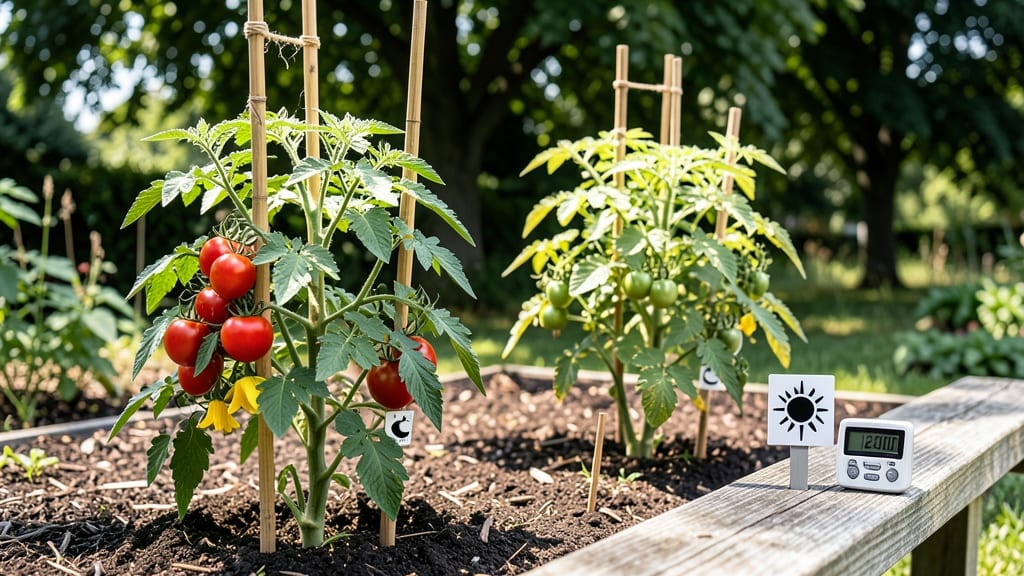
Tomato plants thrive in sun or shade with the right balance—6 to 8 hours of sunlight is the sweet spot for maximum fruit production, but too much shade can leave you with weak vines and few tomatoes.
Picture this: you’ve spent weeks nurturing your 🍅 tomato seedlings, only to watch them stretch toward the light like they’re auditioning for a ballet. That’s your plant’s way of saying, "I need more sun!"—but it’s not always about full sun or nothing.
The trick is understanding how much shade your tomatoes can handle without sacrificing yield.
Many gardeners assume tomatoes demand full sun at all costs, but partial shade can actually help in hot climates by preventing sunburn or heat stress.
The key is knowing when to provide shade and how to spot the signs your plants are struggling—whether it’s leggy growth, pale leaves, or fruit that never ripens.
In this guide, I’ll break down the ideal sunlight needs, how to adjust for shade, and which tomato varieties play well in lower light. By the end, you’ll know exactly how to position your plants for a harvest that rivals the pros.
 Best Window Placement
Optimal sunlight requirements for tomato plants: how much light do they really need?
If you're growing tomatoes, sunlight is the single most critical factor for a successful harvest.
While many gardeners assume tomatoes need full sun all day, the reality is more nuanced. Tomato plants thrive with 6-8+ hours of direct sunlight daily, but even small deviations can dramatically impact fruit production, flavor, and plant health.
Understanding these requirements will help you position your plants for maximum yield—whether in a backyard garden, container, or urban balcony.
The biology behind tomato photosynthesis explains why light matters so much. Tomatoes are C3 plants, meaning they rely on direct sunlight to convert carbon dioxide into energy efficiently. When deprived of adequate light, their growth slows, leaves yellow, and fruit development stalls.
Even partial shade (4-6 hours of sun) can reduce yields by up to 40%, while full sun (8+ hours) optimizes both quantity and quality of tomatoes.
Here’s the breakdown of how sunlight affects tomato growth at different stages. Seedlings need 4-6 hours of light daily to prevent legginess, while mature plants require full sun exposure to support heavy fruiting.
The key is balancing light with temperature—too much sun in hot climates can stress plants, while too little leads to weak stems and poor fruit set.
| Tomato Growth Stage | Ideal Sunlight Hours | Growth Impact of Insufficient Light | Best Practices for Sun Exposure |
|---|---|---|---|
| Seedlings | 4-6 hours | Leggy, weak stems; poor root development | Use grow lights; rotate trays daily |
| Transplanting | 6+ hours | Transplant shock; slow acclimation | Hardening off; gradual sun exposure |
| Flowering | 8+ hours | Fewer flowers; poor fruit set | Prune lower leaves; ensure morning sun |
| Fruiting | 6-8 hours (min) | Small, bland fruit; cracking | Mulch to retain moisture; avoid afternoon shade |
| Mature Plants | 8+ hours (ideal) | Stunted growth; lower yield | Rotate containers; use reflective mulch |
One common misconception is that all tomatoes need identical sunlight. While most varieties prefer full sun, cherry tomatoes and bush types can tolerate slightly less light (5-6 hours) compared to indeterminate varieties, which need 8+ hours to support their vining growth.
My experience growing Sungold cherry tomatoes in partial shade showed they still produced fruit, but yields dropped by 30% compared to full-sun plants.
Partial shade can be beneficial in hot climates where afternoon sun intensifies heat stress. If your garden receives morning sun and afternoon shade, prioritize the morning hours—tomatoes photosynthesize most efficiently when temperatures are cooler.
However, avoid deep shade (less than 4 hours of sun), as this leads to etiolation, where plants stretch toward light, becoming weak and prone to disease.
Another critical factor is light quality. Tomatoes thrive under direct sunlight, not filtered or reflected light.
If you're growing in containers or urban settings, ensure there are no obstructions like trees or buildings casting shade after 2 PM. For container-grown tomatoes, rotate pots weekly to ensure even light exposure on all sides—this prevents lopsided growth and maximizes fruit production.
Real-world data from university extension programs confirms that tomatoes in full sun produce 2-3 times more fruit than those in partial shade. For example, a study at the University of Florida found that indeterminate tomatoes grown with 8+ hours of sun yielded 15 lbs
Signs your tomato plants aren’t getting enough sun (or too much) and how to fix it
If your tomato plants look weak or produce tiny fruit, it might be a sunlight issue. Tomatoes thrive in 6-8+ hours of direct sun, but too little or too much light can stunt growth. Watch for these visual warning signs to diagnose the problem early.
When plants receive insufficient sunlight, their leaves turn pale yellow or greenish-white, especially on the upper sides. You might also notice long, leggy stems stretching toward any available light.
Flowers may form but fail to set fruit, or any tomatoes that do appear will be small and bland in flavor.
⚠️ callout warning
Too much sun can cause sunburned leaves (white/yellow patches) or blossom drop during heatwaves. Too little sun leads to stunted growth and poor fruit development. Fix it now by relocating plants or using shade cloth (30-50% coverage).
On the other hand, excessive sunlight often causes leaf scorch, where edges turn crispy and brown. You may also see white or yellow patches on leaves exposed to harsh midday rays. Tomatoes might ripen unevenly or develop blossom-end rot due to stress from extreme heat.
To fix light deficiency, move plants to a sunnier spot or use a reflective surface (like white sheets) to bounce light.
For too much sun, install shade cloth during peak hours (10 AM–4 PM) or prune nearby plants to reduce competition. Dwarf varieties handle partial shade better than tall types.
Pay attention to your tomato plant’s growth habit. If stems grow sprawling and weak, it’s likely starved for light. If leaves curl or wilt in afternoon heat, they’re struggling with intense sunlight. Adjust care based on these physical cues to keep plants healthy and productive.
Regularly check leaf color and fruit development—these are your best indicators. With the right balance of sunlight exposure, your tomato plants will reward you with vibrant growth and flavorful harvests. 🌱