
Planting
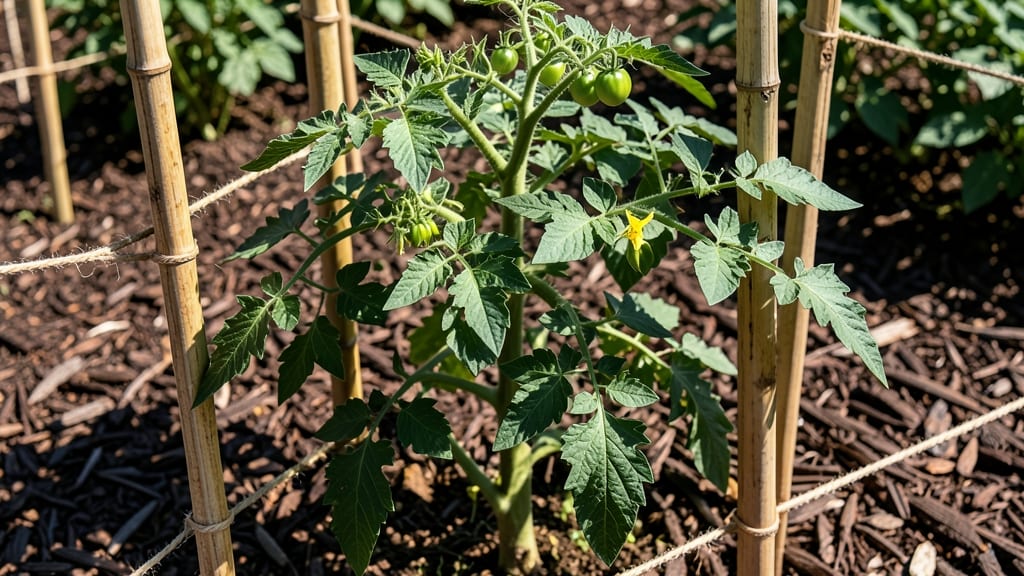
Tomato plants typically last one growing season (3-6 months) from seedling to harvest, with fruit production spanning 60-90 days after transplanting. Most gardeners replace them annually for peak performance, though heirloom varieties may persist slightly longer with ideal conditions.
Most tomato varieties follow a predictable lifecycle that begins with germination and ends with natural decline. 🌱 The 60-90 day production window after transplanting reflects how quickly they mature—determinate types (like Roma) finish faster than sprawling indeterminate varieties (like Cherry).
Temperature swings, water stress, or pests can shorten this cycle, while consistent care might extend it by a few weeks. Even with proper maintenance, the plant's energy eventually shifts from fruiting to seed production, signaling the end of its productive life.
Understanding this timeline helps you plan succession plantings for continuous harvests. For example, if you start seeds indoors in early spring, you'll likely harvest by mid-summer—just as your first plants begin declining.
This natural progression explains why most gardeners treat tomatoes as annuals, though some heirloom varieties might surprise you with a second flush of flowers if conditions remain perfect.
💡 In This Article
- Tomato Plant Growth Stages and Lifespan Factors
- Extending Tomato Plant Productivity Beyond One Season
Tomato plant growth stages and lifespan factors
A tomato plant's lifecycle unfolds in four distinct phases: germination, vegetative growth, flowering/fruiting, and senescence. The entire process typically spans 3-6 months, though this varies by variety.
Determinate types like 'Celebrity' complete their cycle in about 60-70 days after transplanting, while sprawling indeterminate varieties such as 'Sungold' may continue producing for 100+ days if conditions remain ideal.
The key difference lies in their growth habits—determinate plants grow to a fixed height and set fruit all at once, while indeterminate types grow continuously and produce fruit throughout the season.
The flowering/fruiting stage is where the magic happens, but it's highly sensitive to environmental factors. Tomatoes thrive in temperatures between 70-85°F during the day and 55-65°F at night. When temperatures exceed 90°F for extended periods, pollen production drops dramatically, leading to poor fruit set.
This heat stress explains why tomato plants in hot climates often have shorter productive windows. Conversely, cool weather below 55°F can stunt growth entirely.
The plant's energy allocation shifts dramatically during this stage—what starts as leaf and stem development transitions to flower and fruit production, with up to 80% of the plant's resources going toward ripening tomatoes at peak season.
Signs of aging become apparent as the plant approaches its natural end. You'll notice older leaves turning yellow and crispy—a process called senescence—while new growth slows dramatically. The plant's energy shifts from producing fruit to creating seeds, resulting in smaller, less flavorful tomatoes.
This transition typically occurs 60-90 days after the first flowers appear, though some heirloom varieties may show signs of rejuvenation if given perfect conditions. The plant's structural integrity also weakens as cell walls break down, making it more susceptible to diseases like late blight that thrive on stressed plants.
Light plays a crucial role in determining how long your tomato plant will remain productive. Tomatoes require 6-8 hours of direct sunlight daily for optimal growth. Insufficient light leads to leggy, weak plants that produce fewer flowers and smaller fruit.
The plant's natural photoperiodism means it will continue growing as long as daylight conditions meet its needs. In northern climates, shorter summer days can accelerate the plant's decline, while southern gardeners often enjoy extended harvests due to longer growing seasons.
This light dependency explains why greenhouse-grown tomatoes often have longer productive lives—artificial lighting supplements natural daylight, delaying the plant's transition to senescence.
Watering patterns also significantly impact a tomato plant's lifespan. Consistent moisture is critical, especially during flowering and fruiting, but overwatering can lead to root rot and premature decline. The plant's root system expands rapidly during the vegetative stage, requiring 1-2 inches of water per week.
Once fruiting begins, water stress can cause blossom end rot or fruit cracking, both of which signal the plant is struggling. Proper mulching helps maintain even moisture levels, reducing the plant's stress response and potentially extending its productive window by 2-4 weeks in ideal conditions.
Consider these key factors when planning your tomato garden: variety selection, climate conditions, and seasonal timing. For example, planting heat-tolerant varieties like 'Heatmaster' in hot climates can extend the fruiting window by 10-15 days compared to standard varieties.
Similarly, using shade cloth during peak summer heat can maintain optimal growing conditions for 2-3 additional weeks of fruit production. These small adjustments demonstrate how understanding the plant's lifecycle allows you to work with its natural rhythms rather than against them.