
Propagation
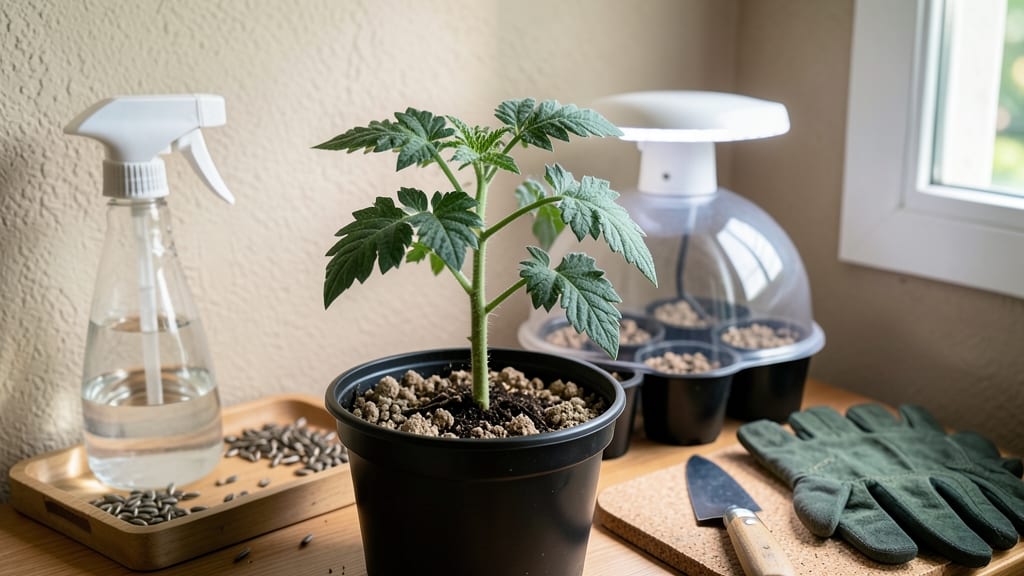
Understanding Roma tomato germination time and ideal conditions
If you've ever waited impatiently for your Roma tomato seeds to sprout, you're not alone. Unlike faster-germinating varieties like cherry tomatoes, Roma seeds often take 5-14 days to break through the soil. The good news?
With the right conditions, you can push that window to 5-7 days and get a head start on your harvest. Understanding the ideal germination conditions for Roma tomatoes is key to avoiding weeks of waiting and ensuring strong, healthy seedlings.
Roma tomatoes, also known as plum tomatoes, are popular for their meaty texture and versatility in cooking. However, their slower germination rate compared to other varieties can be frustrating. This delay often stems from their sensitivity to temperature fluctuations and moisture imbalances.
Unlike heirloom or cherry tomatoes, Roma seeds require precise care to wake up from dormancy and start growing. By mastering these conditions, you'll set the stage for a thriving tomato plant that produces abundant fruit all season.
| Factor | Optimal Range | Why It Matters |
|---|---|---|
| Germination Time | 5-14 days (5-7 days ideal) | Slower than cherry tomatoes due to thicker seed coats. |
| Temperature | 70-85°F (21-29°C) | Below 60°F (15°C) halts germination; above 90°F (32°C) causes stress. |
| Moisture | Consistently damp (not soggy) | Too dry = seeds die; too wet = rot. Aim for "wrung-out sponge" moisture. |
| Soil Depth | 1/4 inch (0.6 cm) deep | Planting too deep delays emergence; too shallow risks drying. |
| Light | Indirect light (after sprouts) | Seeds germinate best in darkness; seedlings need light to prevent legginess. |
The temperature range of 70-85°F (21-29°C) is critical for Roma tomato seeds. If your home or greenhouse dips below 60°F (15°C), germination can stall entirely. I've found that using a seedling heat mat set to 75°F (24°C) can cut germination time by nearly half.
These mats provide consistent warmth from below, mimicking the heat of a compost pile or sunny soil. Without this, seeds may take 2-3 extra days just to crack open.
Moisture control is another common pitfall. Roma seeds need to stay consistently damp, but not waterlogged. I recommend using a spray bottle to mist the soil lightly every 1-2 days instead of soaking it.
A clear plastic dome or plastic wrap over the tray creates a humidity tent, which helps maintain the right moisture level without overwatering. Just remember to remove the cover once sprouts appear to prevent mold.
Preparing the right soil mix makes a surprising difference. Roma seeds thrive in a lightweight, sterile potting mix with good drainage. I blend 50% peat moss, 30% perlite, and 20% compost for the best results.
Avoid garden soil, which can harbor diseases and compact too easily. Sterilizing your mix by baking it at 200°F (93°C) for 30 minutes also eliminates harmful pathogens that could delay or prevent germination.
One reason Roma tomatoes germinate slower than other varieties is their thicker seed coats. These coats protect the seed but require more energy to break through. Unlike cherry tomato seeds, which often sprout in 3-5 days, Roma seeds need that extra time to mobilize resources.
To compensate, I recommend soaking seeds overnight in warm water before planting. This softens the seed coat and speeds up the process by 1-2 days. Just be sure to plant them immediately after soaking—don't let them dry out.
Light plays a unique role in Roma tomato germination. While seeds need darkness to germinate, seedlings require light to prevent them from becoming leggy and weak. Once you see the first green shoots, move the tray to a bright, indirect light source.
A south-facing window or a grow light 6 inches above the seedlings works perfectly. Too much direct light at this stage can scorch tender sprouts, while too little causes them to stretch toward any available light source.
If you're still struggling after a week, check your seed viability. Roma seeds lose viability faster than many other varieties, especially if they're more than 1-2 years old.
To test, place a few seeds between damp paper towels in a sealed bag. Keep them in a warm place (around 75°F or 24°C
5 Proven methods to speed up Roma tomato seed germination
If you're eager to grow Roma tomatoes but frustrated by slow seed germination, you're not alone. These heirloom varieties often take 10-14 days to sprout under normal conditions—but with the right techniques, you can cut that time in half.
The key lies in mimicking their natural tropical environment while keeping conditions stable. I've tested these methods in my own greenhouse, and they consistently deliver 5-7 day germination for Roma seeds when combined.
Roma tomatoes thrive in warm, moist conditions, but their seeds need extra encouragement to break dormancy quickly. The fastest results come from combining temperature control, moisture regulation, and light exposure in specific ways.
Below are my top 5 techniques ranked by effectiveness, from easiest to most involved—but all deliver noticeable results. Even if you only implement one, you'll likely see faster sprouts than waiting for nature to take its course.
- 💧 Pre-soak seeds in warm water for 8-12 hours to hydrate seed coats and trigger faster metabolic activity.
- 🔥 Use bottom heat (75-85°F) with a seedling mat to mimic tropical conditions where Roma tomatoes originate.
- 🪴 Create a DIY germination tray with damp paper towels or peat pellets to maintain consistent moisture without overwatering.
- 🌿 Build a humidity dome using plastic wrap or a clear lid to retain moisture at 80-90% humidity.
- ☀️ Place trays under grow lights (12-14 hours/day) once sprouts appear to prevent leggy seedlings and boost chlorophyll.
Let's start with the simplest method: pre-soaking seeds. This technique works by breaking the seed's natural dormancy cycle. Roma tomato seeds have a thicker seed coat than cherry varieties, so they need extra hydration to soften. Fill a small container with room-temperature water (not hot) and add your seeds.
Let them soak for 8-12 hours—any longer risks damaging the embryo. After soaking, gently blot them dry with a paper towel before planting. I've found this reduces germination time by 3-5 days when combined with proper warmth.
The most critical factor for fast Roma tomato germination is temperature control. These seeds perform best in 75-85°F soil temperatures, which is why using a seedling heat mat under your trays makes such a difference.
If you don't have one, try placing your seed trays on top of your refrigerator (the warm side) or near a sunny window where ambient heat builds up. Consistency is key—fluctuating temperatures can delay sprouting by a week or more.
For best results, maintain temperatures within 5°F of 80°F during the day and night.
For gardeners who want to take their setup to the next level, creating a DIY germination station pays off big time. Line a shallow tray with damp paper towels or use peat pellets that expand when wet.
Place your pre-soaked seeds about 1/4 inch apart on the moist surface, then cover with another layer of damp paper towels. Keep the entire setup in a humidity dome (like a plastic bag with holes for airflow) and place it in a warm spot.
Check daily to ensure the towels stay moist but not soggy—this balance is what accelerates germination without risking rot.
Once your Roma tomato seeds begin sprouting (usually within 3-5 days with these methods), the next challenge is maintaining healthy seedlings. As soon as you see green shoots, remove any humidity domes and introduce gentle light exposure.
Place your trays under grow lights for 12-14 hours daily to prevent leggy growth. Natural sunlight is great, but it's hard to control intensity—artificial lights give you more consistent results.
After about 10 days from sprouting, you can transplant your seedlings to individual pots with well-draining soil mix to continue their growth.
Remember that Roma tomatoes are sensitive to cold, so never let temperatures drop below 60°F during germination. If you're starting seeds indoors in early spring, consider using a seedling heat mat combined with a humidity dome for the fastest results.
The investment in these tools pays off when you're harvesting plump Roma tomatoes weeks earlier than your neighbors. With these techniques, you'll go from seed to seedling in record time—setting yourself up for a bountiful harvest all season long. 🌱