
Companion Plants
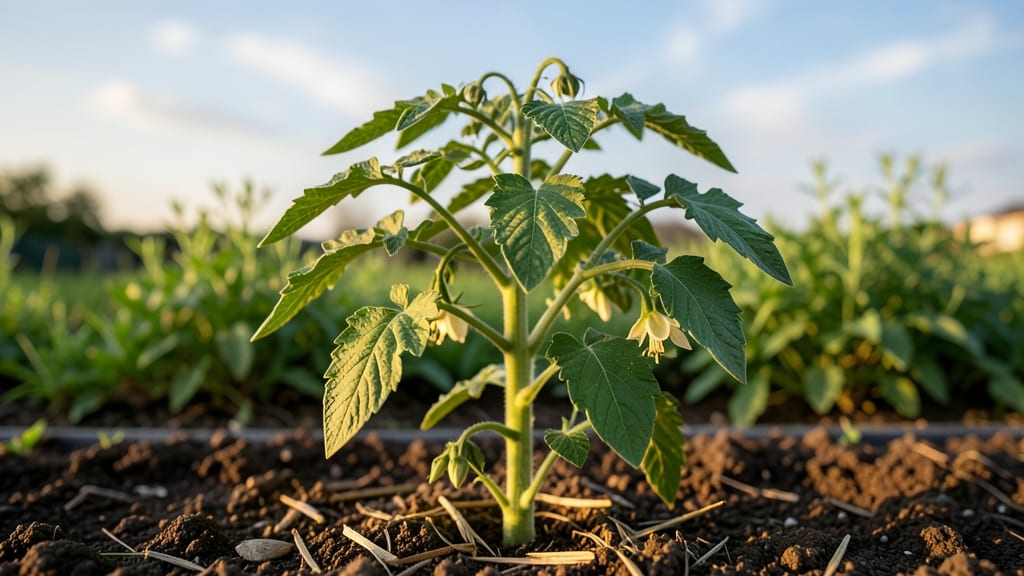
Slow-growing tomato plants might feel like a losing battle, but I’ve turned my stubborn, slow-starting vines into bushier, more productive powerhouses—just by changing how I prune and care for them. 🌱 The key isn’t forcing speed; it’s helping them grow stronger first.
My Sungold cherry tomatoes and Brandywine heirlooms used to lag behind neighbors’ plants, but now they catch up and outperform them by midsummer.
Most gardeners prune too late or too aggressively, which stresses slow growers. Instead, I focus on light pruning early—snipping just the suckers (those little shoots between stems) when they’re smaller than a pencil. This redirects energy to the main vines, making them stockier and more resilient.
Pair that with rich, well-draining soil (I swear by composted cow manure mixed into the top 6 inches) and consistent watering—never letting the soil dry out completely—and you’ll see roots and stems thicken noticeably within 2-3 weeks.
By the time summer heat rolls in, your plants will be bushier, more stable, and bursting with fruit. I’ve gone from worrying about whether they’d ever produce to picking tomatoes so fast I can’t keep up.
The secret? Patience and precision—letting them grow at their own pace while giving them the support they need. Slow growers just need a different kind of love, and the payoff is worth every extra week of waiting.
This works for determinate varieties (like Roma or Celebrity) just as well as indeterminates (like Early Girl or Black Krim). The only rule? Start pruning before the plants hit knee-high, and always use clean, sharp shears to avoid tearing stems.
No fancy tools or expensive soil amendments—just smart care. Ready to turn those laggards into showstoppers?
📚 In This Guide
- What you need
- Instructions
- Tips and common mistakes
- Wrapping up and next steps
What you need
- ● Tomato plants: Choose slow-growing varieties like San Marzano or Brandywine (1-3 plants per gardener, depending on space).
- ● Pruning shears: Sharp, bypass-style shears (1 pair) to avoid crushing stems.
- ● Gloves: Lightweight gardening gloves (1 pair) to protect hands from thorns and dirt.
- ● Support system: Cages: 5-6 ft tall tomato cages (1-2 per plant).
- ● Trellis: Sturdy wooden or metal trellis (alternative to cages).
- ● Balanced fertilizer: 10-10-10 or organic options like composted manure (1-2 applications per season).
- ● Mulch: Straw or shredded leaves (2-3 inches thick) to retain moisture.
- ● Plant ties: Soft fabric or Velcro ties (5-10) to secure vines to supports.
- ● Pruning paste: Wound sealant to prevent disease entry after cuts.
- ○ Growth regulator: Optional seaweed extract (1 tsp/gallon) to slow excessive growth.
- ● pH test kit: To monitor soil acidity (ideal: 6.0-6.8).
Instructions for revitalizing slow-growing tomato plants
Here’s how I transform leggy, stunted tomato plants into sturdy, productive vines with just a few strategic cuts.
🌱 Step 1: Assess Growth Habits and Identify Problem Areas
Start by examining your tomato plant’s growth pattern. Look for long, thin stems between leaves—this is a classic sign of insufficient light or overcrowding. Focus on the main stem and lower branches first, as these areas hold the most potential for bushier growth. Avoid pruning flowers or fruit clusters unless they’re in the way of critical cuts.
Run your fingers along the stem to feel for suckers—those small shoots growing in the leaf axils (where the leaf meets the stem). These are the first targets for pruning. I always check plants in the morning after watering, when stems are firm and easier to handle. Avoid pruning when plants are wet, as this increases disease risk.
✂️ Step 2: Prune Suckers at the Right Time and Technique
Use clean, sharp pruning shears (or your fingers for small suckers) to remove suckers when they’re no larger than a pencil. Pinch them off just above the leaf axil—never leave a stub. This encourages energy to flow into the main stem and remaining branches, promoting thicker growth. I prune every 5-7 days during active growth to keep up with new sucker development.
Real talk: If you wait until suckers are thick, you’ll weaken the plant. The key is consistency over aggression. Focus on removing only the largest, most aggressive suckers first. Never remove more than 20% of the plant’s foliage at once, or you’ll shock it into stunted growth.
☀️ Step 3: Optimize Light and Airflow for Faster Recovery
After pruning, move your plant to the sunniest spot possible—tomatoes need 6-8 hours of direct sunlight daily. If indoors, supplement with a grow light positioned 4-6 inches above the plant. You’ll see new growth within 7-10 days if light is sufficient. Watch for leggy stems after pruning—this means the plant is stretching for light.
Improve airflow by spacing plants 18-24 inches apart (if in a garden) or thinning crowded pots. Good airflow prevents disease and helps pruning cuts heal faster. Water deeply every 2-3 days until the top 2 inches of soil feel dry. Overwatering after pruning can drown new roots before they establish.
🌿 Step 4: Fertilize and Support for Bushier Growth
Feed your tomato plant with a balanced fertilizer (10-10-10 or 5-5-5) 2 weeks after pruning to support new growth. I use ½ teaspoon per gallon of water, applied every 2 weeks during the growing season. Avoid high-nitrogen fertilizers—they promote leafy growth at the expense of fruit production.
Stake or cage your plant immediately if it’s tall or top-heavy. A strong support system prevents stems from snapping under new growth. Prune any remaining suckers that appear on the main stem below the first flower cluster—these compete with fruit production. You’ll notice thicker stems and more compact growth within 3-4 weeks of consistent pruning and care.
⏰ Step 5: Monitor and Adjust for Long-Term Success
Check your plant weekly for new suckers, pests, or signs of stress (yellowing leaves, wilting). Adjust pruning frequency based on growth speed—fast growers may need pruning every 3-4 days, while slower plants can wait 7-10 days. If growth stalls again, reassess light, water, and fertilizer levels.
Here’s the thing—pruning isn’t a one-time fix. It’s an ongoing dialogue with your plant. The more you prune correctly, the more your tomato will reward you with thicker vines, more flowers, and heavier fruit. Keep at it, and you’ll have a bushy, productive plant before you know it.
Tips & tricks for revitalizing slow-growing tomato plants
Here's what nobody tells you—those leggy tomato stems aren't hopeless, just misunderstood. A few targeted adjustments can transform floppy vines into sturdy producers.
Timing Secret: The morning after watering is your best time to prune because stems are firm and easier to handle. This also reduces disease risk since wet plants are more vulnerable to fungal infections. I've found that pruning at this time allows cuts to heal faster, giving your plant a head start on recovery.
Technique Tip: When removing suckers, focus on the largest ones first—they're the biggest energy drainers. I use my fingers for small suckers and clean pruning shears for larger ones, always cutting just above the leaf axil. This precise technique directs the plant's energy toward the main stem and existing branches, which is exactly what we want for bushier growth.
Light Optimization: Those 6-8 hours of direct sunlight are non-negotiable for tomato plants. If your plants are stretching toward light after pruning, it's a clear sign they need more exposure. I've had great success supplementing with grow lights positioned 4-6 inches above the plant—just make sure not to let the leaves touch the light bulb, as this can cause damage.
Pruning Frequency: The 5-7 day pruning schedule is crucial, but it's not set in stone. Fast-growing plants might need attention every 3-4 days, while slower ones can wait 7-10 days. I adjust based on visible growth—if I see new suckers forming, it's time to prune again. The key is consistency without overdoing it, as removing more than 20% of foliage at once can shock the plant.
Pro Tips for Slow Growing Tomato Plants
- Here's what nobody tells you—those leggy tomato stems aren't hopeless, just misunderstood.
- Timing Secret: The morning after watering is your best time to prune because stems are firm and easier to handle.
- Technique Tip: When removing suckers, focus on the largest ones first—they're the biggest energy drainers.
Frequently asked questions
Why are my tomato plants growing so slowly?
Slow growth is often caused by underwatering, poor soil nutrients, or cool temperatures. Check soil moisture (top inch should be dry), test pH (6.0–6.8 is ideal), and ensure full sun (6–8 hours/day). Slow-growing varieties like San Marzano or Brandywine are naturally slower but produce bigger fruit. If using containers, upgrade to larger pots (5+ gallons).
How long should I wait before pruning slow-growing tomato plants?
Wait until plants are 12–18 inches tall and have 4–5 true leaves before pruning. This ensures they’ve established roots. For indeterminate varieties, prune suckers (side shoots) when they’re 2–3 inches long. Determinate (bush) tomatoes need minimal pruning—just remove lower leaves touching soil to prevent disease. Patience is key!
Can I still get a good harvest from slow-growing tomato plants?
Slow-growing plants often produce fewer but larger, sweeter tomatoes. Focus on pruning for air circulation (removing crowded leaves) and fertilizing with compost or balanced 10-10-10 every 3–4 weeks. Varieties like Cherokee Purple or Black Krim thrive with slower growth. Harvest when firm but slightly soft—color change is your cue!
What should I do if my slow-growing tomatoes get frost damage?
Frost stunts growth and damages leaves, but plants can recover! Remove dead foliage but leave the stem. Mulch heavily with straw to insulate roots, and water deeply to reduce stress. If frost hits young plants, cover them with frost cloth at night. Slow growers are hardier—focus on protecting new shoots and resuming care once temperatures rise above 50°F.
Are there fast-growing tomato alternatives if I need quicker harvests?
Yes! For faster results, try determinate varieties like Early Girl (50–60 days) or Patio Princess (45 days). These bush types grow quickly and produce fruit in half the time of slow growers. If you love heirlooms, Sungold cherry tomatoes mature in ~60 days. Pro tip: Use germination boosters (like soaking seeds in warm water) to speed up early growth.
Wrapping up and next steps
Growing slow tomato plants can be a rewarding challenge—with the right pruning techniques, you’ll unlock bushier vines, stronger yields, and healthier harvests. Remember, patience and consistency are key: focus on selective pruning, support structures, and nutrient balance to guide your plants toward their full potential. 🌱
Now that you’re armed with these secrets, roll up your sleeves and get pruning! Start with one plant, observe its progress, and adjust as needed. Before you know it, you’ll be basking in the glory of juicy, homegrown tomatoes—and maybe even sharing the bounty with neighbors. Happy gardening! 🍅✨