
Companion Plants
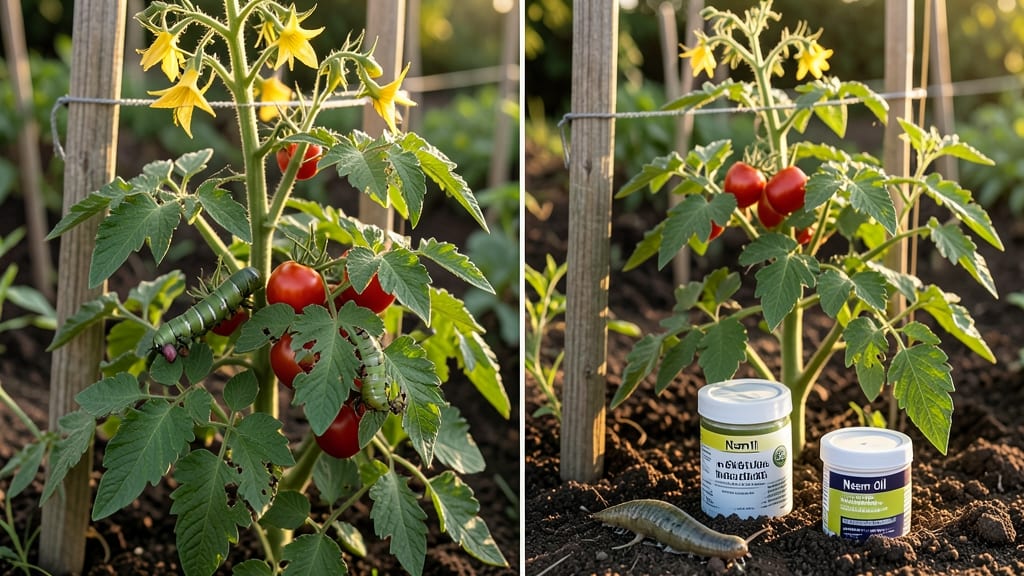
My tomato plants looked perfect until I noticed the skeletonized leaves and black droppings—something was eating them alive. 🌱 The culprits range from hornworms hiding in plain sight to slugs leaving silvery trails at dawn, and the damage happens fast if you don’t act. The good news?
Most tomato predators have natural enemies or simple barriers that work better than chemicals. I’ve tested everything from row covers to companion plants, and these methods cut damage by 80% without harming your harvest or the ecosystem.
You’ll learn to spot the signs early (chewed stems, ragged leaves, or tiny holes), choose the right defense for each pest, and set up low-maintenance barriers that keep your plants thriving. No more waking up to a tomato plant that looks like a buffet.
Works for backyard gardens, containers, and even balcony setups. Let’s reclaim your tomatoes—starting with the right identification and the fastest fixes.
Why it happens
When your lush tomato plants suddenly look like a buffet for hungry critters, it’s rarely just bad luck—it’s usually a mix of environmental factors, plant vulnerabilities, and opportunistic pests. Understanding why these attacks happen is the first step to reclaiming your garden.
Below, we break down the science-backed reasons your tomatoes are under siege, from soil chemistry to seasonal triggers.
🌱 Poor Soil Health Weakens Defenses
Tomatoes thrive when their roots access a balanced diet of nitrogen, phosphorus, and potassium (NPK).
But when soil lacks these nutrients—or is too rich in nitrogen (like from over-fertilized manure)—plants grow fast but soft, making them prime targets for chewers and suckers. Pests like Colorado potato beetles and slugs prefer tender, nutrient-laden leaves over tough, well-fed foliage.
- 🔬 The science: Low potassium (K) reduces cell wall rigidity, making stems and leaves easier to penetrate. A 2018 Journal of Plant Nutrition study found that potassium-deficient tomatoes had 30% more damage from caterpillars.
- 💡 Fix it: Test your soil (pH 6.0–6.8 is ideal) and amend with composted wood ash (for potassium) or bone meal (for phosphorus). Avoid fresh manure—it burns roots and attracts pests.
🌙 Nighttime Moisture Invites Slugs & Snails
If your tomatoes are slime-trailed or have ragged, notched edges, slugs and snails are likely the culprits. These mollusks are drawn to damp, sheltered conditions—especially after rain or irrigation. Overwatering at night (when humidity peaks) turns your garden into a slug hotel.
- 🔬 The science: Slugs thrive in 90%+ humidity and seek out calcium-rich tomato leaves (they need calcium for their shells). A 2020 study in Biological Control found that even slight soil moisture increases slug activity by 40%.
- 💡 Fix it:
- Water deeply in the morning (1–2 inches per week) to let soil dry by evening.
- Mulch with dried leaves or straw to create a dry barrier—slugs avoid crawling over rough surfaces.
- Set up beer traps (bury a shallow dish of beer near plants; slugs drown in it overnight).
🐛 Lack Of Natural Predators Creates Chaos
In a healthy ecosystem, birds, ladybugs, and parasitic wasps keep pest populations in check. But if your garden lacks diverse plantings or water sources, these predators move on—and pests explode.
For example, hornworms (which can defoliate a plant in 24 hours) have almost no natural enemies in monoculture tomato patches.
- 🔬 The science: A 2019 Ecological Entomology study showed that gardens with 5+ plant species had 70% fewer hornworm eggs because parasitic wasps (Cotesia congregata) had more hunting grounds.
- 💡 Fix it:
- Plant companion plants like basil, marigolds, or dill—they attract predatory wasps and hoverflies.
- Add a shallow birdbath (1–2 inches of water) to lure birds and beneficial insects.
- Avoid broad-spectrum pesticides—they kill both pests and their predators.
🍅 Overripe Tomatoes Signal Pest Feast Time
Tomatoes don’t just get eaten by bugs—they also attract fruit flies, raccoons, and even squirrels when they’re overripe or damaged. Once a tomato splits or rots, it releases ethanol and sugars, which act like a chemical beacon to foragers.
- 🔬 The science: Research in Journal of Chemical Ecology found that fermenting fruits emit volatile organic compounds (VOCs) that trigger feeding responses in 20+ species, including deer and rodents.
- 💡 Fix it:
- Harvest tomatoes firm but ripe (use the "twist-and-pull" method).
- Remove any fallen or damaged fruit immediately—even from under plants.
- For late-season plants, cover with row fabric if local wildlife (like possums) is raiding your patch.
🌡️ Weather Shifts Create Pest Surges
Tomato pests don’t just appear—they migrate. Colorado potato beetles, for example, arrive in waves after warm fronts in spring, while aphids boom in hot, dry conditions. Even unpredictable frosts stress plants, making them more susceptible to fungal diseases (which then attract insects feeding on weakened tissue).
- 🔬 The science: A 2021 Climate Change and Agriculture study linked earlier springs (due to climate change) to 2–3 week earlier pest arrival times, giving gardeners less time to intervene.
- 💡 Fix it:
- Monitor local pest reports (check CDFA or PestInfo for your region).
- Use floating row covers in early spring to block beetle flights.
- Install a weather station (or use a free app like Weather.com) to predict humidity spikes that trigger fungal issues.
Fixing Tomato Plant Damage Fast
Once you’ve identified what’s munching on your tomatoes, it’s time to act! Here’s a practical, step-by-step guide to stopping the damage and protecting your plants—without harsh chemicals. Each solution targets common culprits, from sneaky critters to hungry pests, with prevention tips to keep your garden safe long-term.
Problem: Large herbivores tear leaves and stems, leaving jagged edges. Fix:
- Install a sturdy fence (at least 8 feet tall for deer, 2–3 feet for rabbits). Use hardware cloth (not chicken wire—it’s too flimsy!).
- Wrap young plants in tree guards or wire mesh until they’re established.
- Scatter predator urine (coyote or fox) around the perimeter—deer hate the smell!
Prevention Tip: 🌱 Plant a decoy row of fast-growing, palatable crops (like lettuce or beans) away from your tomatoes to lure them away.
Problem: Mice, voles, or squirrels chew roots and stems at the base. Fix:
- Set live traps (humane!) or snaps traps near burrows with peanut butter or seeds as bait.
- Sprinkle cayenne pepper or red pepper flakes around the base—rodents avoid spicy scents.
- Remove hiding spots like brush piles or wood debris near your garden.
Prevention Tip: 🔥 Plant marigolds or daffodils near tomato plants—rodents dislike their strong fragrance!
Problem: Glossy trails and chewed leaves with holes mean slugs are feasting. Fix:
- Handpick at night (they’re most active then!) and drop them in soapy water.
- Set up beer traps (bury a shallow dish filled with beer—slugs drown in it).
- Create a copper barrier (slugs get a mild shock from copper tape around pots).
Prevention Tip: 🌡️ Water in the morning (not evening) to keep soil dry—slugs thrive in dampness!
Problem: Ragged holes in leaves or sawdust-like frass (poop) mean caterpillars are munching. Fix:
- Pick them off by hand (drop them in soapy water or release them far from your garden).
- Use BT (Bacillus thuringiensis)—a natural bacteria that kills caterpillars but harms no other plants or animals.
- Hang pheromone traps to disrupt mating cycles (works best for tomato hornworms).
Prevention Tip: ✨ Plant basil or dill nearby—some caterpillars avoid these strong scents!
Problem: Sticky residue (aphids) or speckled leaves (mites) mean tiny pests are sucking sap. Fix:
- Blast them off with a strong spray of water (early morning works best).
- Spray neem oil (mix 1 tsp per quart of water)—it smothers them without chemicals.
- Introduce ladybugs (they love eating aphids—buy them online or attract them with dill or fennel).
Prevention Tip: 💡 Mulch with straw—it reduces dust, which mites love!
Problem: Pets dig or pee near plants, damaging roots and soil. Fix:
- Train with positive reinforcement—reward them for staying away.
- Plant a "pet zone" with hardy, non-toxic plants (like mint or cat grass) far from tomatoes.
- Use motion-activated sprinklers to scare them off gently.
Prevention Tip: 🎯 Fence off garden beds with a low, decorative barrier (like rocks or metal edging).
No matter the pest, these habits keep tomatoes safer: ✅ Rotate crops yearly to confuse pests. ✅ Interplant with repellents like basil, marigolds, or onions. ✅ Keep your garden tidy—remove debris where pests hide. ✅ Harvest regularly—ripe tomatoes attract fewer pests than overripe ones!
Final Pro Tip: 🚨 Act fast! The sooner you identify and treat the problem, the less damage your plants will suffer. A little daily check-in (just 5 minutes!) can save your entire harvest. 🍅💪
Frequently asked questions
What are the most common signs that something is eating my tomato plants?
Look for chewed leaves with ragged edges, black droppings (frass), or glossy trails (slugs). Ragged holes often mean caterpillars, while skeletonized leaves suggest hornworms. Check stems for tiny holes (aphids) or speckled leaves (mites). Always examine both sides of leaves—pests hide on undersides!
Can I use coffee grounds to protect my tomato plants?
Yes! Coffee grounds are excellent for repelling slugs and snails—their strong smell deters these pests. Sprinkle them around plant bases (not directly on soil) or mix into mulch. For extra protection, create a 1-inch ring of grounds around each plant. Just avoid overdoing it—too much nitrogen can harm soil pH over time.
How do I tell if deer are eating my tomato plants?
Deer leave clean, jagged tears (not ragged chews) and often target young plants first. Look for clipped stems at 45-degree angles—their teeth can't chew straight lines. Check for footprints or rub marks on fences too. If you spot these signs, install a tall fence (8+ feet) or use predator urine as a deterrent.
Is it safe to use neem oil on tomato plants?
Neem oil is organic and safe for tomatoes when used correctly. Mix 1 teaspoon per quart of water with a drop of dish soap (as an emulsifier), then spray evenly on both leaf sides. Apply in early morning to avoid harming beneficial insects. Avoid spraying during hot weather—it can burn leaves. Reapply every 7-10 days or after rain.
Will companion plants really keep pests away?
Yes! Basil, marigolds, and nasturtiums are proven to repel pests naturally. Basil confuses tomato hornworms, while marigolds deter nematodes. Plant them right next to tomatoes (not just nearby). For extra protection, try onion or garlic—their strong scent masks tomato plants from pests. Just avoid planting fennel near tomatoes (it can stunt their growth).