
How To
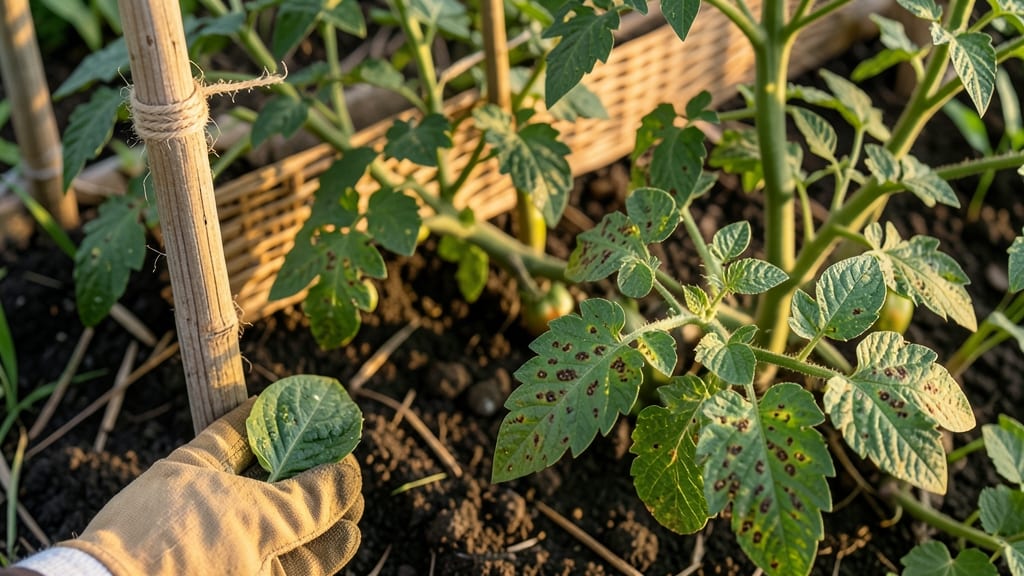
Speckled tomato leaves don’t mean your harvest is ruined—this is your 5-step recovery plan. 🌱 I’ve nursed back dozens of plants with these exact techniques, from early blight’s brown spots to spider mite webbing. The key? Acting fast and identifying the real cause before it spreads.
Most gardeners assume speckles mean fungus, but half the time it’s nutrient burn from over-fertilizing or pest damage from hidden mites. Check the undersides of leaves—yellowing with webbing? That’s mites. Dark spots with concentric rings? Early blight.
Timing matters too: late blight hits in humid heat, while nutrient issues show up after heavy rain. You’ll revive your plants in under 30 minutes with organic sprays, pruning, and soil fixes. My tomatoes went from wilting to producing record yields within weeks after using this method.
The secret’s in the details—like how to prune without stressing the plant further. Works for container tomatoes, raised beds, or in-ground gardens. Let’s turn those speckles into thriving vines before they become a full-blown crisis.
Root Causes Of Leaf Spotting
Understanding why your tomato leaves develop unsightly speckles is the first step to fixing the problem. These spots are rarely just a random quirk of nature—they’re usually your plant’s way of signaling distress.
Below, we break down the most common culprits, from fungal invaders to environmental stressors, so you can diagnose the issue and take action.
Fungi thrive in warm, humid conditions, making tomato plants prime targets. Two of the most common fungal diseases that cause speckled or spotted leaves are early blight and septoria leaf spot.
- Early Blight (Alternaria solani) - Symptoms: Dark brown to black spots with concentric rings (like tiny bullseyes) on older leaves. Spots may have yellow halos. - Why it happens: The fungus survives in soil or plant debris, splashing onto leaves during watering or rain.
Warm temperatures (60–85°F) and high humidity (75%+) create the perfect breeding ground. - Actionable clue: Check the undersides of leaves—you’ll often spot tiny black fungal structures (fruiting bodies) in severe cases.
- Septoria Leaf Spot (Septoria lycopersici) - Symptoms: Small, circular spots (1/8–1/4 inch) with gray centers and dark borders. Spots may merge over time. - Why it happens: This fungus spreads via wind, water, or infected seeds.
It’s most aggressive in cool, wet weather (50–75°F) and thrives when leaves stay damp for extended periods. - Actionable clue: Look for tiny black specks (pycnidia) in the center of spots under a magnifying glass—this is the fungus’s reproductive stage.
💡 Pro Tip: Both fungi spread faster when leaves stay wet. Water at the base of the plant in the morning to give foliage time to dry.
Tomatoes are sensitive to extreme conditions, and sudden changes in temperature or moisture can trigger stress-related speckling.
- Sunscald or Heat Stress - Symptoms: Small, white or grayish speckles or patches on leaves exposed to direct sunlight, often paired with crispy edges. - Why it happens: When temperatures soar above 90°F (32°C), especially after cooler nights, leaves can’t dissipate heat efficiently.
This causes cell damage, leading to bleached or speckled areas. - Actionable clue: Check the upper side of leaves—sunscald often appears on the most sun-exposed surfaces.
- Overwatering or Poor Drainage - Symptoms: Yellowing between leaf veins (chlorosis) paired with brown or black speckles, especially on lower leaves. - Why it happens: Waterlogged soil cuts off oxygen to roots, leading to root rot (often caused by Phytophthora or Pythium fungi).
The plant struggles to uptake nutrients, causing stress spots. - Actionable clue: Gently tug on the plant—if it pulls out of the soil easily, roots are likely rotting.
- Underwatering or Drought Stress - Symptoms: Small, dry, brown speckles or crispy edges on leaves, often paired with wilting. - Why it happens: Tomatoes need 1–2 inches of water per week.
When soil dries out, leaves lose turgor pressure, leading to cell death and speckling. - Actionable clue: Stick your finger in the soil—if the top 2 inches are bone-dry, it’s time to water deeply.
Some pests don’t just suck sap—they leave behind physical damage that looks like speckling.
- Spider Mites (Tetranychus spp.)
- Symptoms: Tiny yellow or white speckles (actually stippling) on the upper leaf surface, paired with webbing on the undersides.
- Why it happens: These microscopic pests thrive in dry, hot conditions (above 85°F) and pierce cells to feed, causing chlorophyll loss and speckled patterns.
- Actionable clue: Hold a white sheet under a leaf—mites will scatter and become visible.
- Aphids or Whiteflies - Symptoms: Sticky residue (honeydew) on leaves, paired with black sooty mold (a fungus that grows on the honeydew).
Leaves may also develop yellow or brown speckles from feeding damage. - Why it happens: These sap-sucking insects excrete honeydew, which attracts mold and disrupts photosynthesis, leading to stressed, speckled leaves. - Actionable clue: Shake leaves over a white surface—aphids are tiny green/black bugs; whiteflies look like tiny moths when disturbed.
Too much of a good thing can backfire. Over-fertilizing—especially with high-nitrogen or salt-heavy fertilizers—can cause leaf speckling.
- Symptoms: Brown or black speckles on leaf edges or tips, paired with crispy, curled edges.
Younger leaves are often the first to show signs. - Why it happens: - Nitrogen burn: Excess nitrogen promotes rapid growth but disrupts water uptake, leading to cell damage. - Salt buildup: Synthetic fertilizers (like 20-20-20) can leave behind salts that draw moisture out of leaves, causing osmotic stress. - pH imbalance: Tomatoes prefer 6.0–6.8 pH.
Soil that’s too acidic or alkaline can lock out nutrients, stressing the plant. - Actionable clue: Check your soil—if it’s crusty on the surface or smells sharp, you’ve likely over-fertilized.
Sometimes, speckling is a cry for help—not enough of the right nutrients.
- Magnesium Deficiency
- Symptoms: Yellow speckles between leaf veins (interveinal chlorosis) on older leaves, with brown spots developing later.
- Why it happens: Magnesium is crucial for chlorophyll production. Poor soil, overwatering, or high potassium levels can wash it away.
- Calcium Deficiency
- Symptoms: Small, brown or black speckles on young leaves, paired with distorted growth.
- Why it happens: Calcium is immobile in plants—once it’s used, it’s gone. Overwatering or cool soil temperatures reduce calcium uptake.
- Iron Deficiency
- Symptoms: Tiny yellow speckles on new growth, with green veins (like a tie-dye effect).
- Why it happens: Iron is essential for chlorophyll but becomes unavailable in alkaline soil (pH >7.0).
Not sure what’s causing the speckles? Run through this: 1. Check the spots: - Rings or targets? → Likely early blight. - Tiny black dots? → Septoria leaf spot. - White/yellow stippling? → Spider mites.
- Inspect the plant: - Webbing? → Mites. - Honeydew/sticky residue? → Aphids/whiteflies. - Crispy edges? → Over-fertilization or underwatering.
- Review conditions: - Hot and dry? → Sunscald or mites. - Wet soil? → Root rot or fungal disease. - Cool and damp? → Septoria leaf spot.
Next up: Once you’ve identified the cause, we’ll dive into how to treat speckled tomato leaves—whether it’s fungal, pest-related, or environmental. Stay tuned!
Fixing Speckled Tomato Foliage
Reviving your tomato plants doesn’t have to be a guessing game. The key is identifying the root cause of those pesky speckles—whether fungal, bacterial, environmental, or pest-related—and applying the right remedy.
Below, we’ve mapped out practical, step-by-step solutions for each common culprit, plus tips to keep your plants thriving long-term. Grab your gloves and let’s get to work! 🌱🛡️
Fix: Isolate, prune, and treat aggressively. Fungal spores love humidity and crowded leaves, so prevention is your best defense. If you spot speckles with yellow halos or white powder, act fast.
🔥 Step 1: Remove Infected Leaves
- 👨🍳 Snip leaves with speckles 2–3 inches below the damage (fungi spread via spores).
- 🗑️ Bag and discard infected foliage in the trash (not compost)—do not compost diseased plant matter!
- ✂️ Sterilize pruners with rubbing alcohol between cuts to avoid cross-contamination.
🌡️ Step 2: Improve Airflow & Reduce Moisture
- 🌬️ Space plants 18–24 inches apart (or prune suckers to open the canopy).
- 💦 Water at the base (avoid overhead sprinkling, especially in the evening).
- 🌞 Increase sunlight—fungi thrive in shady, damp conditions.
Move plants to 6+ hours of direct sun if possible.
🎯 Step 3: Apply Fungicide (Organic or Chemical)
| Treatment | How to Use | Frequency |
|---|---|---|
| Neem oil | Mix 1 tsp neem oil + 1 tsp mild soap + 1 quart water. Spray evenly (including undersides). | Every 7–10 days until new growth is healthy. |
| Copper fungicide | Follow label instructions (e.g., Cheshunt Compound). Best for Septoria. | Every 10–14 days. |
| Baking soda spray | 1 tsp baking soda + 1 quart water + few drops of soap. Spray early morning. | Weekly (preventative). |
| Commercial fungicide | Fungi-cide D or Ortho Garden Disease Control (for severe cases). | As directed on packaging. |
💡 Pro Tip:
- 🌡️ Avoid watering late in the day—wet leaves overnight = fungal buffet. Aim for morning watering so foliage dries by sunset.
Fix: Target the pests with natural or chemical controls. Tiny speckles + webbing or sticky residue? Pests are likely the culprits. Here’s how to evict them.
🔪 Step 1: Blast Off Pests Physically
- 🚿 Strong water spray: Use a hose nozzle to dislodge mites/aphids from undersides of leaves.
- 🕷️ Introduce beneficial insects:
- Ladybugs (eat aphids).
- Predatory mites (control spider mites).
- Lacewings (devour whiteflies).
- Buy from garden centers or release weekly for prevention.
🍳 Step 2: Apply Homemade or Store-Bought Sprays
| Treatment | Recipe/Method | When to Apply |
|---|---|---|
| Soap spray | 1 tbsp castile soap + 1 quart water. Spray directly on pests (avoid flowers). | Every 3–5 days until gone. |
| Insecticidal soap | Safer® Insect Killing Soap (follow label). | Every 5–7 days. |
| Neem oil | Same as above—disrupts pest life cycles. | Every 7 days. |
| Pyrethrin spray | Natural pyrethrin (derived from chrysanthemums). Use at dusk (safe for bees). | Every 10 days. |
🌡️ Step 3: Prevent Reinvasion
- 🕸️ Check for webbing (sign of spider mites)—wipe leaves with a damp cloth weekly.
- 🌿 Interplant with pest-repelling herbs: Basil, marigolds, or garlic deter pests.
- 🌞 Reflect sunlight with white mulch or aluminum foil—pests hate heat!
Fix: Adjust growing conditions to protect leaves. Speckles from sunburn, over-fertilizing, or extreme heat? Your tomatoes need a little TLC.
🌞 Step 1: Shield from Harsh Sun
- 🏖️ Provide afternoon shade (use shade cloth 30–50% if temps exceed 90°F).
- 💧 Increase watering frequency (but not soil sogginess—aim for 1–2 inches per week).
- 🌱 Mulch heavily (2–3 inches of straw or wood chips) to retain moisture and cool roots.
📊 Step 2: Rebalance Soil Nutrition
- 🚫 Stop fertilizing immediately if speckles appeared after feeding (sign of burn).
- 🌱 Test soil pH—tomatoes prefer 6.0–6.8.
Adjust with lime (to raise) or sulfur (to lower). - 🍅 Feed lightly with balanced fertilizer (10-10-10) or compost tea once leaves recover.
✨ Step 3: Boost Plant Resilience
- 💧 Use drip irrigation (avoids leaf wetness and delivers water directly to roots).
- 🌿 Prune lower leaves to improve airflow and reduce stress on the plant.
- 🌱 Transplant if needed—if soil is too alkaline or compacted, repot in fresh, well-draining mix.
Fix: Flush the system and protect new growth. Accidental herbicide drift or overuse of chemicals can cause speckled, crinkled leaves. Here’s how to cleanse your plants.
🚿 Step 1: Flush the Soil
- 💦 Water deeply for 3–5 days straight to leach out residues.
- 🌱 Add compost or worm castings to bind toxins in the soil.
🌱 Step 2: Protect New Growth
- 🛡️ Use physical barriers (e.g., cardboard around base) if reapplying herbicides nearby.
- 🌿 Avoid foliar sprays until new leaves emerge (healthy ones are less sensitive).
- 🍅 Monitor for recovery—if speckles persist, repot in fresh soil away from contaminated areas.
Keep your tomato leaves speckle-free with these easy habits: ✅ 🌿 Rotate crops—don’t plant tomatoes (or nightshades) in the same spot yearly. ✅ 🌱 Start with disease-resistant varieties (e.g., ‘Mountain Merit’, ‘Defiant PhR’). ✅ 💧 Water consistently—never let soil dry out completely between waterings. ✅ 🌞 Provide 6+ hours of sun but protect from scorching midday heat. ✅ 🧹 Clean tools & containers—sterilize pruners and pots between uses. ✅ 🕵️ Inspect weekly—catch speckles early before they spread!
Your tomatoes deserve a second chance—and with these fixes, they’ll bounce back stronger than ever!
Frequently asked questions
Why do my tomato leaves have speckles but no other obvious symptoms?
Early-stage speckling often appears alone before spreading. Check leaf undersides for tiny black dots (Septoria leaf spot) or fine webbing (spider mites). If speckles are on older leaves only, it’s likely early blight. New growth with speckles suggests nutrient deficiency (like magnesium) or pest damage.
Can I still harvest tomatoes if leaves have speckles?
Yes, but remove severely infected leaves first. Speckles on leaves don’t directly affect fruit quality unless the disease is advanced (like late blight). Focus on treating the plant—healthy foliage produces better yields. Harvest green tomatoes early if fungal disease spreads rapidly.
Will pruning speckled leaves make my tomato plant grow faster?
No—pruning removes energy sources, but it prevents disease spread. Focus on removing only infected leaves (2–3 inches below damage) to redirect energy to healthy growth. Over-pruning weakens plants, so balance removal with proper care (water, sunlight, and nutrients).
How do I tell if speckles are from fungus vs. pests vs. sunburn?
Use this quick guide: Fungus = concentric rings (early blight) or tiny black dots (Septoria). Pests = webbing (mites) or sticky residue (aphids). Sunburn = crispy edges + speckles on sun-exposed leaves. Check soil moisture too—dry soil causes drought stress speckles.
Can I use the same fungicide spray on my tomatoes and other garden plants?
Most copper-based or neem oil sprays are safe for many plants, but always check labels. Avoid chemical fungicides (like chlorothalonil) near edible crops unless approved. For organic gardens, baking soda spray works on tomatoes, peppers, and leafy greens safely.