
Pests
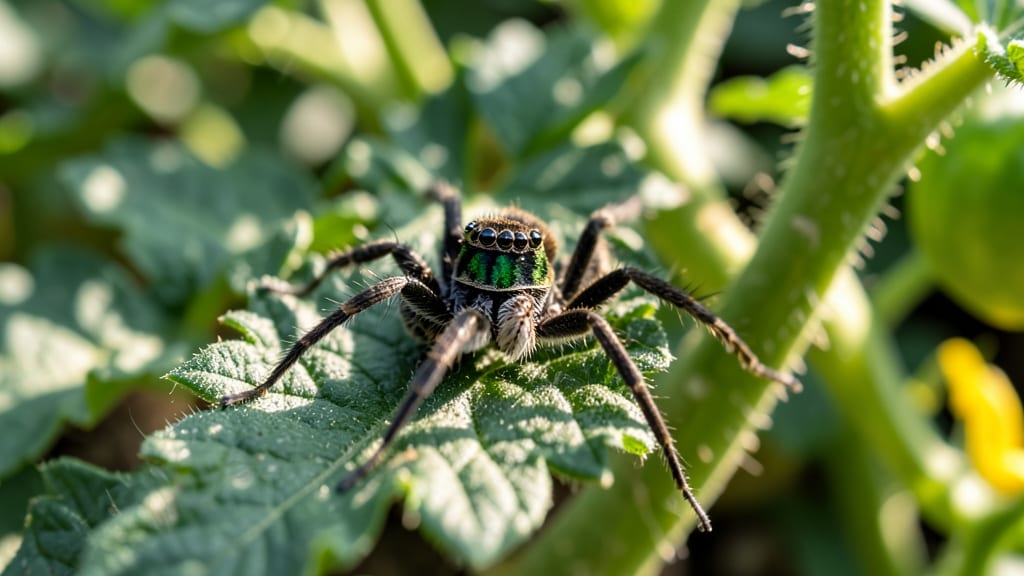
Those tiny red spiders on your tomato plants are spider mites—and neem oil spray is the fastest way to send them packing. 🌱 I’ve battled these pests through three growing seasons, and this simple spray stops them in their tracks without harming your plants or pollinators.
The key is timing and consistency, not harsh chemicals.
Spider mites thrive when plants are stressed, so weak foliage or dry conditions invite them in. You’ll spot them as tiny moving dots or webbing on undersides of leaves—often after you notice leaves yellowing or plants wilting despite good water.
A quick spray with neem oil disrupts their life cycle, but you’ll need to repeat it every 5-7 days for full control.
Within a week, you’ll see new growth pushing out free of webbing, and your tomatoes will bounce back stronger. The spray works best in the early morning or evening when mites are less active, and it’s safe to use right up until harvest. Just mix it properly—no guesswork needed.
For stubborn cases, combine neem oil with a strong spray of water to knock mites off leaves first. If your plants stay weak after treatment, check for other pests or diseases—sometimes mites are just the first sign of bigger trouble.
Prevention is easier than cleanup, so keep your tomatoes healthy and well-watered all season.
The Hidden Triggers Inviting Spiders
Spiders don’t just wander onto your tomato plants by chance—they’re usually drawn by specific conditions in your garden. Understanding these triggers is the first step to reclaiming your harvest. Here’s why these eight-legged intruders show up uninvited.
Spiders thrive in environments where temperatures stay mild and humidity is balanced—perfectly mimicking the conditions of your tomato plants’ foliage. Why? Tomato plants create dense canopies that trap heat and moisture, especially in afternoon sunlight.
This cozy setup is an open invitation for spiders like the yellow sac spider or hunting spiders, which prefer hiding in leaf axils (the crooks where stems meet leaves).
💡 Pro Tip: Prune your plants to improve airflow—thinner canopies reduce humidity pockets where spiders love to lurk.
Spiders are predators, and your tomato plants are an all-you-can-eat smorgasbord for their favorite snacks: aphids, whiteflies, and mites.
These tiny pests create sticky honeydew trails that attract spiders like a neon sign. Why? Spiders follow the food chain—if aphids are feasting on your tomatoes, spiders will follow to hunt them. Even beneficial insects like ladybugs can’t outcompete a spider’s appetite once the population explodes.
🔍 Watch for:
- Sticky residue on leaves (honeydew)
- Tiny webs between leaves (mite activity)
- Chewed leaves with small holes (spider feeding)
Spiders use your garden’s clutter as highways and hideouts. Leaves, mulch, and weeds create perfect bridges and shelters for them to move between plants. Why? Spiders are opportunistic—if your tomato plants are surrounded by tall grass, dead plants, or wood chips, they’ll use these as launchpads to invade your crop. Even a single black widow or hobo spider can set up shop in a pile of debris and wait for prey.
✨ Quick Fix: Clear a 3-foot radius around your tomato plants of debris, rocks, and weeds. Spiders dislike open spaces!
Stressed plants are weaker—and spiders know it. When tomatoes don’t get enough (or too much) water, they produce sap-rich leaves, which attract spiders looking for an easy meal. Why? Water-stressed plants emit volatile organic compounds (VOCs) that signal distress, inadvertently luring predators.
Additionally, dry soil can cause cracks in the earth, creating entry points for ground-dwelling spiders like the daddy longlegs.
🌡️ Keep soil:
- Consistently moist (1 inch deep)
- Away from standing water (which attracts spider prey)
- Mulched to retain even moisture
Now that you know why spiders are crashing your tomato party, the next step is evicting them for good—starting with neem oil!
How to Fix It Fast
Spiders on your tomato plants might seem like a minor nuisance, but they can quickly become a bigger problem if left unchecked. The good news? With the right approach, you can eliminate them fast and keep your garden thriving.
Below, we’ve broken down practical, effective solutions tailored to the most common causes—whether it’s spider mites, harmless garden spiders, or other eight-legged intruders. Plus, we’ll share prevention tips to stop them from returning.
If your tomato leaves are speckled with tiny webs or show signs of yellowing and stippling, spider mites are likely the culprits. These pests thrive in dry, hot conditions and can weaken your plants if not addressed.
🔥 Quick Fixes for Spider Mites
- 💦 Blast Them Off with Water
- How to do it: Use a strong spray of water (from a hose or spray bottle) to dislodge mites from leaves.
- Best time: Early morning or late evening (avoid midday sun to prevent leaf burn).
- Frequency: Repeat every 2–3 days until you see improvement.
- 🌿 Neem Oil Spray (The Ultimate Repellent)
- Why it works: Neem oil disrupts their life cycle, repels them, and is safe for plants when used correctly.
- DIY Recipe:
- 1 tbsp neem oil
- 1 tsp mild liquid soap (helps it stick)
- 1 quart water
- Mix well and spray undersides of leaves (mites love hiding there).
- How often? Apply every 5–7 days for 2–3 weeks.
- 🍋 Vinegar or Soap Spray (For Severe Infestations)
- Option 1: 1 tbsp dish soap + 1 quart water (spray directly on mites).
- Option 2: 1 tbsp white vinegar + 1 quart water (mild but effective).
- ⚠️ Warning: Test on a small leaf first—some plants are sensitive.
💡 Prevention Tips for Spider Mites
- 🌡️ Keep humidity up (mites hate moisture).
Use a hose to mist plants occasionally. - 🍃 Encourage natural predators like ladybugs or lacewings—they eat spider mites! - 🌿 Prune infected leaves and dispose of them far from your garden. - 🌞 Avoid over-fertilizing (too much nitrogen attracts mites).
If you’re seeing large spiders weaving webs among your tomato plants, they’re likely harmless orb-weavers or wolf spiders. While they don’t damage plants, you might want to relocate them if they’re too close to your harvest.
👨🍳 Gentle Removal Methods
- 🕸️ Relocate Them Safely
- Use a glass or jar to gently trap the spider and its web.
- Release them far from your garden (like a bush or wooded area).
- ✨ Pro Tip: Do this early in the morning when spiders are less active.
- 🌿 Disrupt Their Webs (Non-Lethal Approach)
- If you don’t want to move them, gently brush webs away with a stick or hose.
- Spiders will find a new spot—just keep an eye on them.
💡 Prevention Tips for Garden Spiders
- 🌿 Keep your garden tidy—remove debris where spiders hide.
- 🌞 Plant near strong-smelling herbs (like mint or basil)—spiders avoid them.
- 🍅 Use row covers if spiders are a recurring issue (they’ll find somewhere else to build webs).
To keep spiders (and mites) away for good, combine these low-maintenance strategies:
| Method | How It Works | Ease Level | Frequency |
|---|---|---|---|
| 🌿 Companion Planting | Plant marigolds, garlic, or onions near tomatoes—they repel pests. | ⭐⭐⭐⭐⭐ | Once (plant together) |
| 💦 Regular Watering | Spider mites hate humidity—keep soil moist. | ⭐⭐⭐⭐ | Daily (light watering) |
| 🌞 Prune for Airflow | Thin out crowded plants to reduce hiding spots. | ⭐⭐⭐ | Every 2–3 weeks |
| 🐞 Introduce Beneficial Insects | Buy ladybugs or lacewings from garden centers—they eat mites! | ⭐⭐⭐ | Every few weeks |
| 🌿 Mulch Thickly | A 2–3 inch layer of mulch deters spiders from climbing up. | ⭐⭐⭐⭐ | Once (at planting) |
If you notice: ✅ Webs on leaves (spider mites) ✅ Yellowing or spotted leaves (early mite attack) ✅ Too many spiders near your plants (aesthetic or harvest concern)
Act within 3–5 days—the sooner you treat, the easier it is to save your tomatoes!
Final Thought: Most spider issues are easily preventable with a little proactive care. Try neem oil first for mites, relocate spiders if they’re harmless, and keep your garden healthy** with good airflow and moisture. Your tomato plants (and your peace of mind) will thank you! 🍅✨
Frequently asked questions
Are the tiny red spiders on my tomato plants harmful?
Most likely, those are spider mites, which can damage your plants by sucking sap from leaves. Look for fine webbing or yellow speckling—these are key signs. While they won’t kill healthy tomato plants quickly, severe infestations weaken growth and reduce fruit quality. Act fast with neem oil spray or a strong water blast to protect your harvest.
Why do I keep seeing large spiders in my tomato garden?
Large spiders like orb-weavers or wolf spiders are usually harmless predators hunting pests like aphids. They thrive in gardens with dense foliage and debris. While they don’t harm tomatoes, you can gently relocate them with a jar or disrupt their webs with a hose. Keep your garden tidy to discourage them from setting up shop near your plants.
How often should I apply neem oil for spider mites?
Apply neem oil every 5-7 days for 2-3 weeks to fully break the spider mite life cycle. Mix 1 tablespoon neem oil with 1 teaspoon mild soap in 1 quart of water, and always spray undersides of leaves where mites hide. For best results, apply in the early morning or evening when mites are least active.
Will soap or vinegar solutions work for spider mites?
Yes, but use them carefully! A solution of 1 tablespoon dish soap or white vinegar per quart of water can kill mites on contact. Test on a small leaf first—some plants are sensitive. For severe infestations, combine with neem oil for better results. Always reapply after rain or every 3-5 days until mites disappear.
Can I still eat tomatoes from plants with spider mites?
The mites themselves don’t make tomatoes unsafe to eat, but severe infestations can stress plants and reduce fruit quality. If your tomatoes look healthy otherwise, you can harvest them. Focus on treating the plants immediately to prevent future damage. For peace of mind, wash tomatoes thoroughly before eating.