
Pests and Diseases
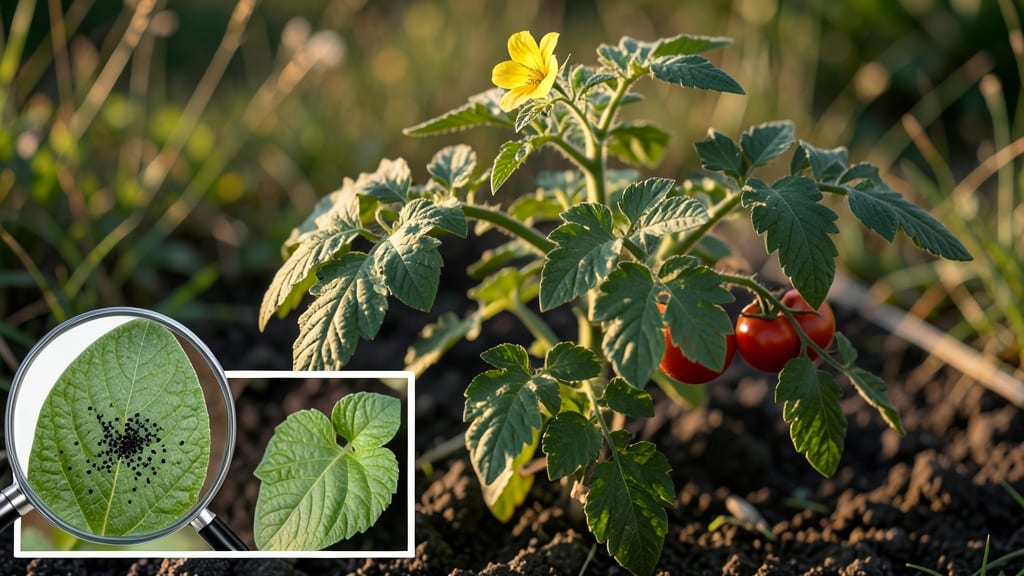
Those tiny black dots on your tomato leaves aren't just unsightly—they're a battle cry for help. 🌱 I've seen this problem ruin entire harvests, but the fix is simpler than you'd think.
The dots are usually aphids, spider mites, or fungal spores, and each needs a different approach to stop the damage. The first step is identifying your enemy: hold a leaf over white paper and tap it—if you see tiny black specks, it's likely aphids.
For spider mites, look for webbing on the undersides of leaves. Fungal spores often come with yellowing leaves and require better airflow. Once you know what's attacking, the cure is straightforward: spray with neem oil for aphids, blast mites off with water, or improve airflow to stop fungal spread.
I've saved multiple tomato plants using these methods, and the results show up in just a few days. Prevention is the real game-changer. Introduce ladybugs to eat aphids, keep plants well-watered but not soggy, and prune for better airflow.
These tiny dots don't stand a chance when you take action early.
Root Causes Behind Leaf Spots
Those mysterious tiny black dots on tomato leaves aren’t just random specks—they’re often a sign of underlying issues. Understanding the science behind them helps you tackle the problem at its source.
Below, we break down the most common culprits, from fungal infections to environmental stressors, with clear explanations of how they develop.
Fungi like Alternaria or Septoria thrive in damp conditions, producing microscopic spores that land on leaves and trigger black speckling. These pathogens:
- Spread via water splashes—overhead irrigation or morning dew can carry spores directly to foliage.
- Weaken plant defenses by clogging stomata (leaf pores), blocking gas exchange and causing stress.
- Multiply rapidly in humid climates (above 75°F/24°C) or when leaves stay wet for >12 hours.
Pro Tip: 💡 Early signs include yellow halos around dots—fungi often start as pale lesions before darkening.
Insects like aphids, thrips, or whiteflies leave behind sticky honeydew, which attracts sooty mold—a black fungal growth. Here’s how it works:
- Pests pierce leaves to feed, injecting toxins that create necrotic (dead) spots.
- Honeydew residue (a sugary waste product) ferments on leaves, creating a sticky film.
- Sooty mold spores land on this film and grow into the black dots you see.
Watch For: 🔍 Tiny insects clustering on undersides or webbing between leaves.
Extreme conditions—like sudden temperature swings or poor drainage—can cause physiological disorders:
| Cause | How It Manifests | Key Triggers |
|---|---|---|
| Heat Stress | Leaves develop sunburn spots (tiny blackened areas) when exposed to intense sunlight after cold nights. | Temperature drops below 50°F (10°C) at night, followed by >90°F (32°C) days. |
| Overwatering | Root rot or waterlogged soil starves leaves of oxygen, leading to necrotic speckling. | Compacted soil, lack of drainage holes, or excessive irrigation. |
| Mineral Toxicity | Excessive magnesium or calcium in soil can cause leaf tip necrosis (black dots near edges). | Over-fertilization with Epsom salt or lime, or tap water high in minerals. |
Fix It: ✨ Adjust watering schedules (deep but infrequent) and test soil pH (ideal: 6.0–6.8 for tomatoes).
Each of these causes leaves vulnerable to secondary infections, so early action is key. Next, we’ll cover how to diagnose which one is affecting your plants—and how to stop it fast.
Quick Fixes for Tomato Leaf Spots
Now that you’ve identified the culprit behind those pesky tiny black dots on tomato leaves—whether it’s aphids, sooty mold, or fungal spores—it’s time to act! Here’s a step-by-step guide to restoring your tomato plants to their vibrant, pest-free glory.
Each solution targets the root cause, so pick the one that matches your diagnosis (or combine them for extra protection).
Aphids may be small, but they multiply like crazy. Here’s how to evict them for good:
🔥 Step 1: Blast Them Off with Water
A strong spray of water can knock aphids off leaves and stems.
Use a hose with a nozzle or a spray bottle for delicate seedlings. Pro tip: 💡 Do this early in the morning so the leaves dry quickly, preventing fungal growth.
🍳 Step 2: Soap Up a Natural Spray
Mix 1 tbsp mild dish soap (like Castile soap) with 1 quart of water in a spray bottle. Shake well and spray directly on aphids until they’re coated.
Repeat every 3–4 days until gone. Warning: 🌡️ Avoid harsh soaps—they can damage plants. Test on a small leaf first!
👨🍳 Step 3: Introduce Aphid Predators
Ladybugs, lacewings, and parasitic wasps love aphids. Buy them online or attract them by planting dill, fennel, or marigolds nearby.
⏰ Step 4: Prune and Dispose
Cut off heavily infested leaves and drop them in a sealed bag (not the compost!). This stops the cycle.
Sooty mold isn’t harmful to tomatoes, but it blocks sunlight and weakens plants. Here’s how to wash it away:
🔪 Step 1: Scrub Gently with a Soft Brush
Dip a soft toothbrush or sponge in soapy water (1 tsp soap per gallon) and gently scrub the leaves. Rinse with clean water. Pro tip: ✨ Work on a cloudy day to avoid stressing the plant.
🥘 Step 2: Target the Real Culprit (Scale or Mealybugs)
Sooty mold thrives on honeydew from sap-sucking pests.
Treat those first with: - Neem oil spray (1 tbsp neem oil + 1 tsp soap per quart of water) - Rubbing alcohol (dab cotton balls soaked in 70% isopropyl alcohol on pests)
🎯 Step 3: Improve Airflow
Sooty mold loves humidity and crowded plants. Space your tomatoes 18–24 inches apart and prune for better airflow.
If those black dots are fungal (like early blight or black spot), act fast to prevent rot and fruit damage.
💡 Step 1: Remove Infected Leaves
Snip off spotted leaves at the base and dispose of them in the trash (not compost). Fungus spreads via spores!
🌡️ Step 2: Fungicide Spray (Natural or Store-Bought)
- Baking soda spray: Mix 1 tsp baking soda + 1 tbsp oil + 1 tsp soap per gallon of water.
Spray every 7–10 days. - Copper fungicide: Follow label instructions for preventative sprays. Pro tip: 🔥 Water at the base (not leaves) to keep them dry—fungus loves moisture!
🍎 Step 3: Rotate Crops Next Year
If fungus was severe, don’t plant tomatoes in the same spot for at least 3 years. Fungal spores linger in soil!
Once your tomatoes are healthy, lock in their success with these habits:
- 🌿 Mulch properly: Use straw or grass clippings to keep soil moist (but not soggy) and deter pests.
- ☀️ Morning watering: Water early in the day so leaves dry before nightfall (fungus hates dry leaves!).
- 🍅 Companion planting: Grow basil, garlic, or onions nearby—they repel pests naturally.
- 🔍 Inspect weekly: Check undersides of leaves (where pests hide!) and act at the first sign of trouble.
Final Thought: 🎉 Tiny black dots don’t have to mean game over! With quick action and a little prevention, your tomato plants will bounce back—and you’ll be harvesting juicy, blemish-free tomatoes in no time.
Frequently asked questions
Are those tiny black dots harmful to my tomato plants?
It depends on the cause! If they're from aphids or spider mites, they can weaken plants by sucking sap. If they're fungal spores (like early blight), they can spread and damage fruit. The key is acting fast—most issues are manageable with proper care.
How do I tell if the black dots are from pests or fungus?
Check for these clues: Pests often leave sticky residue (honeydew) or tiny webs. Fungus usually appears with yellowing leaves or spots that spread. Tap a leaf over white paper—if you see moving dots, it's likely insects. For fungus, look for concentric rings around spots.
Will my tomatoes still be safe to eat if the leaves have black dots?
Generally yes! Most leaf issues don't transfer to fruit. However, if you see black speckling on the fruit itself (from fungal diseases like early blight), remove those tomatoes. Always wash produce thoroughly before eating.
How often should I check my tomato plants for these dots?
Inspect your plants weekly, especially on the undersides of leaves where pests hide. Early detection makes treatment much easier. During hot, humid weather, check every 3-4 days since conditions favor fungal growth.
Can I still save my tomato plant if it's already heavily spotted?
Yes, but act quickly! Prune away heavily infected leaves and treat with neem oil or copper fungicide. For severe cases, you may need to remove the plant entirely to prevent spread. Healthy plants often recover well with proper care.