
Pests and Diseases
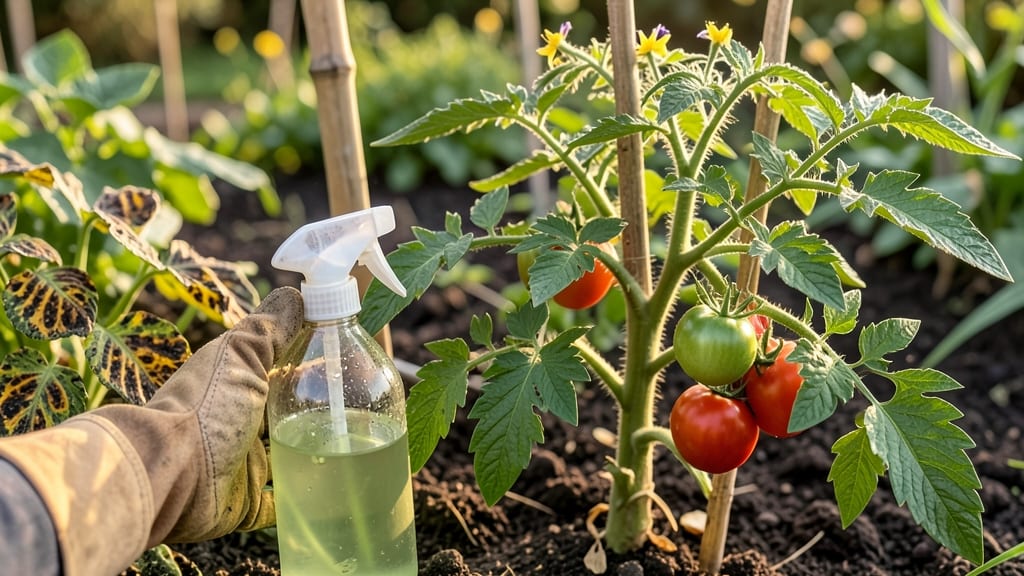
Seeing those ugly brown spots on tomato leaves in pictures? 🌱 That’s your first warning sign before the harvest suffers—and I’ve got the visual guide to stop it before it spreads.
These spots aren’t just cosmetic; they’re often early blight, septoria leaf spot, or bacterial infections hiding in plain sight, and knowing which one you’re dealing with cuts treatment time in half.
The good news? Most of these diseases start with the same symptoms—tiny yellow dots that turn brown and spread—but the fixes differ. Early blight loves dry, hot weather and shows up first on lower leaves, while septoria prefers wet conditions and creates concentric rings.
Bacterial spot? It’s the one that oozes when you touch it, and it spreads faster than weeds in a summer storm.
You’ll walk away with a clear plan: prune infected leaves before they spread, use copper spray for bacterial spots, and mulch heavily to keep soil-borne fungi at bay. The key is acting fast—once those spots reach the fruit, you’re fighting a losing battle.
I’ll show you exactly what to look for and how to treat it before your plants give up.
This works for backyard gardens, containers, or even greenhouse setups—just adjust the spacing and airflow. The goal is to keep your plants healthy enough to produce those juicy tomatoes you’re dreaming about. Let’s get those leaves spot-free!
Root Causes of Leaf Spots
When you spot unsightly marks on your tomato leaves—whether they’re brown, black, yellow, or even greasy-looking—it’s rarely a coincidence. These blemishes are your plants’ way of signaling trouble, often triggered by environmental stress, microbial invaders, or even poor gardening habits.
Understanding the why behind these spots is the first step to saving your harvest. Below, we break down the most common culprits, their science-backed mechanisms, and how they hijack your tomato’s health.
Fungi are the top offenders when it comes to tomato leaf spots, thriving in warm, humid conditions. These microscopic organisms release spores that land on leaves, germinate, and feast on plant tissues, leaving behind telltale marks. Here’s how they work:
- Early Blight (Alternaria solani):
This fungus creates concentric rings of brown spots with yellow halos. It overwinters in soil or infected plant debris, then launches spores during wet weather. Why it spreads: Spores splash onto lower leaves from irrigation or rain, exploiting tiny wounds (like insect bites) to invade.
- Late Blight (Phytophthora infestans):
A devastating cousin of the potato blight, this fungus causes greasy, dark spots that spread rapidly in cool, damp conditions. It’s aggressive because it produces motile zoospores—swimming spores that infect plants directly through stomata (leaf pores).
- Septoria Leaf Spot (Septoria lycopersici):
Characterized by small, dark spots with feathery edges, this fungus thrives in overhead watering scenarios. Spores land on leaves, germinate, and release toxins that disrupt chlorophyll production, turning spots necrotic (dead tissue).
💡 Pro Tip: Fungal spores love moisture. If your garden stays wet for more than 4–6 hours daily, you’re rolling out the red carpet for fungi. Learn how to disrupt their party in the next section.
Unlike fungi, bacteria are single-celled and spread via water, tools, or even your hands. They don’t just spot leaves—they clog plant vessels, causing wilting and oozing lesions. Here’s how they strike:
- Bacterial Spot (Xanthomonas perforans or Pseudomonas syringae):
These bacteria enter through stomata or wounds and multiply rapidly in warm, humid weather. They produce water-soaked spots that turn brown with yellow margins, often with a greasy sheen. Why it’s sneaky: Infected seeds or contaminated pruning tools can introduce bacteria before you even see symptoms.
- Bacterial Speck (Pseudomonas syringae pv. tomato):
Smaller and more numerous than bacterial spot, these pinpoint lesions (1–3mm) often oozes bacterial pus when wet. The bacteria hijack the plant’s vascular system, disrupting nutrient flow and leading to interveinal chlorosis (yellowing between veins).
🔥 Key Difference: Unlike fungi, bacteria don’t produce spores—they spread via direct contact. Sterilizing tools with 70% isopropyl alcohol can prevent accidental transmission.
Not all leaf spots are caused by pathogens. Sometimes, your tomato’s own defense mechanisms backfire—or the environment simply becomes too harsh. Here’s how:
- Sun Scorch:
When leaves absorb too much sunlight (e.g., after transplant shock or sudden heatwaves), they develop bleached or crispy white/brown patches. Why it happens: Excess UV radiation damages cell membranes, causing oxidative stress. Young, tender leaves are most vulnerable.
- Chemical Burn:
Over-application of fertilizers (especially high-nitrogen or salt-based) or pesticides can leave yellow-brown, irregular spots. How it works: Excess salts disrupt osmosis in plant cells, causing dehydration and necrosis. Even hard water (high in calcium/magnesium) can trigger this.
- Nutrient Deficiencies:
A lack of magnesium (Mg) or potassium (K) can cause interveinal chlorosis (yellowing between veins) or brown, dead patches. Science behind it: Magnesium is central to chlorophyll molecules; without it, leaves can’t photosynthesize efficiently. Potassium regulates cell turgor pressure—without it, cells collapse.
🌡️ Quick Fix: If environmental stress is the culprit, adjust watering (deep, infrequent soakings), provide shade cloth during heatwaves, and flush soil with rainwater to reduce salt buildup.
Some "spots" aren’t from diseases at all—they’re physical wounds left by pests. Here’s how insects turn leaves into a Swiss cheese:
- Spider Mites:
These tiny arachnids suck plant sap, leaving stippled, yellowish-white spots (like peppered leaves). Why it’s damaging: They inject toxins that disrupt chlorophyll, causing bronzing (a reddish-brown tint) in severe cases.
- Aphids:
Clusters of aphids pierce leaves, creating small, irregular holes and excreting sticky honeydew (which fosters sooty mold). Their saliva can also trigger plant stress responses, leading to yellowing.
- Fungal Galls (e.g., from Cercospora or Mycosphaerella):
While not always "spots," some fungi cause raised, corky growths on leaves. These distort leaf shape and reduce photosynthesis. How they start: Spores infect through stomata, triggering abnormal cell division.
👨🍳 Actionable Tip: Inspect the undersides of leaves for pests—many hide there! A strong blast of water or neem oil spray can dislodge them before damage spreads.
Fixing Fungal & Bacterial Leaf Spots
Now that you’ve identified the culprit behind those unsightly spots on your tomato leaves, it’s time to take action! The good news? Most issues are treatable with a mix of cultural fixes, organic remedies, and preventive care.
Below, we’ll break down practical solutions tailored to the most common causes—fungal infections, bacterial diseases, and environmental stress—so you can restore your plants to full, healthy glory.
Fungal diseases like early blight, late blight, and septoria leaf spot thrive in damp conditions, but they’re not invincible. Here’s how to fight back:
🔥 Remove & Dispose of Infected Foliage
- Step 1: Snip off yellowing or spotted leaves at the base (don’t toss them in your compost—fungi can survive!).
- Step 2: Drop them in a sealed plastic bag and discard in the trash (not the yard waste).
- Pro Tip: 💡 If the disease is severe, consider pruning entire branches to improve airflow.
🍳 Copper Fungicide Spray (Best for Early Blight & Septoria)
- Mix: 1 tbsp copper sulfate (or a pre-made copper fungicide) in 1 gallon of water.
- Apply: Spray evenly on both leaf surfaces, focusing on the undersides where spores hide.
- Frequency: Reapply every 7–10 days or after heavy rain.
- ⚠️ Caution: Avoid spraying in direct sunlight (can burn leaves) or when tomatoes are flowering/fruiting.
🌿 Baking Soda Solution (Preventative & Mild Treatment)
- Mix: 1 tbsp baking soda, 1 tbsp vegetable oil, and a dash of dish soap in 1 gallon of water.
- Why it works: Raises the leaf pH, making it inhospitable for fungi.
- Apply: Spray weekly as a preventive measure, especially in humid weather.
🌡️ Improve Air Circulation & Reduce Moisture
- Space plants 18–24 inches apart to prevent humidity buildup.
- Water at the base (not overhead) and early in the day so leaves dry by evening.
- Use mulch (straw or grass clippings) to keep soil moist but prevent splashing onto leaves.
Bacterial diseases like bacterial spot (Xanthomonas) spread fast—often within days. Act quickly with these steps:
🔪 Prune & Burn Infected Leaves (No Compromises!)
- Step 1: Remove all spotted leaves immediately—bacteria spread via water splashes.
- Step 2: Burn or deep-trash the clippings (do not compost).
- Step 3: Sterilize pruners with rubbing alcohol between cuts.
👨🍳 Copper-Based Bactericide (Most Effective)
- Use: Copper hydroxide or copper fungicide (e.g., Bonide Copper Fungicide).
- Apply: Spray every 5–7 days until new growth appears.
- Bonus: Copper also deters early blight, so it’s a two-in-one solution!
🌧️ Avoid Overhead Watering (Critical!)
- Switch to drip irrigation or a soaker hose to keep leaves dry.
- Water in the morning so foliage dries by nightfall.
🌱 Rotate Crops Next Season
- Never plant tomatoes (or peppers/eggplants) in the same spot for at least 3 years to break the bacterial cycle.
Sometimes, spots aren’t from pathogens but from sun scorch, nutrient burns, or pests. Here’s how to fix them:
☀️ Sunburn Spots? Provide Shade Cloth
- Symptoms: White or brown irregular patches (often on upper leaves).
- Fix: Install 30–50% shade cloth if temps exceed 90°F (32°C).
- Pro Tip: 🌿 Mulch heavily to keep roots cool.
💧 Overwatering or Chemical Burns?
Adjust Care - Yellow spots with brown edges? Likely chlorine or fertilizer burn. - Fix: - Flush soil with plain water for 10 minutes. - Switch to organic fertilizer (fish emulsion or compost tea). - Water deeply but less often—tomatoes hate soggy roots!
🐜 Pest Damage?
Target the Culprits - Spider mites or aphids can cause speckled or stippled leaves. - Spray with: - Neem oil (1 tsp + 1 tsp mild soap per quart of water). - Insecticidal soap (follow label rates). - Encourage predators: Ladybugs and lacewings love eating pests!
Once your tomatoes are healthy, lock in that progress with these long-term strategies:
- 🌱 Start with resistant varieties: Choose heirloom or hybrid tomatoes bred for disease resistance (e.g., ‘Mountain Merit’ for blight).
- ✨ Solarize soil (if possible): Cover beds with clear plastic for 4–6 weeks before planting to kill fungal spores.
- 🎯 Crop rotation: Avoid planting nightshades (tomatoes, peppers, potatoes) in the same spot yearly.
- 🔥 Sterilize tools: Wipe pruners with rubbing alcohol between plants to prevent cross-contamination.
- 🌡️ Monitor weather: If humidity >70% for 24+ hours, expect fungal outbreaks—spray preventatively with copper or baking soda.
Final Thought: 🌟 While spots on tomato leaves can be frustrating, early action + smart prevention can save your harvest. Most diseases are manageable—don’t let a few blemishes ruin your season!
With these fixes, your tomatoes will soon be spot-free, thriving, and ready for the dinner table. 🍅🔥
Frequently asked questions about tomato leaf spots
How can I tell if my tomato leaf spots are fungal or bacterial?
Look for these key differences: Fungal spots (like early blight) often have concentric rings and yellow halos, while bacterial spots appear greasy and may ooze when touched. Fungi thrive in damp conditions, while bacteria spread through water splashes or contaminated tools.
Can I still eat tomatoes if the leaves have spots?
It depends! If the spots are on leaves only (not fruit), your tomatoes are likely safe to eat. However, remove any fruit with visible spots or lesions. For bacterial spots, wash tomatoes thoroughly before eating to minimize risk.
What's the fastest way to stop leaf spots from spreading?
Remove all infected leaves immediately and dispose of them in the trash (not compost). Then apply a copper fungicide spray and improve airflow by spacing plants 18-24 inches apart. Water at the base in the morning to keep leaves dry. This combo stops fungal/bacterial spread within days.
Will commercial fungicides work on my tomato plants?
Yes, but choose organic options like copper-based sprays or neem oil for safety. Avoid chemical fungicides when tomatoes are flowering/fruiting. For severe cases, rotate between copper and baking soda sprays every 7-10 days for best results.
Can I save my tomato plants if they already have many spots?
It depends on the severity. For fungal issues, prune heavily to improve airflow and apply copper sprays. For bacterial spots, you may need to remove entire plants if 50%+ of leaves are infected. Start fresh next season with disease-resistant varieties and proper crop rotation.